
In This Article
Picture this: you’re sat on the bank of your local commercial fishery, watching your quivertip like a hawk. Within minutes of casting, it rattles twice and pulls round in a satisfying arc. Another chunky F1 carp comes to the net, and you know exactly why – you’ve mastered micro pellet feeder fishing.
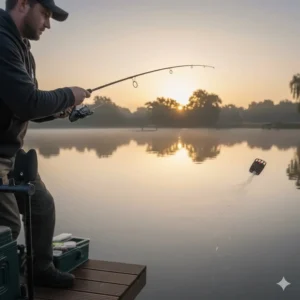
If you’ve ever wandered past a busy match lake and wondered how those anglers consistently bag up whilst you’re struggling, chances are they’re using the micro pellet feeder approach. This deadly tactic has revolutionised commercial fishery angling across the UK, turning frustrating blanks into red-letter days. Whether you’re targeting F1 carp pellets specifically or employing small pellet tactics for a mixed bag, understanding this fine feed approach opens up a whole new dimension to your fishing.
The beauty of micro pellet feeder fishing lies in its simplicity and effectiveness. Rather than overwhelming cautious fish with heavy groundbait, you’re presenting a subtle carpet of 2mm pellets fishing bait that creates competition without spooking your quarry. It’s particularly devastating during those tricky sessions when commercial fishery tactics need refining, or when small fish targeting requires a more delicate touch. The micro method fishing approach allows you to present hookbaits amongst a cloud of attraction that fish simply can’t resist.
In this comprehensive guide, I’ll walk you through everything you need to know about mastering this technique. From selecting the right feeders and perfecting your 2mm pellets fishing setup to understanding when to switch between the micro method fishing style and traditional approaches, you’ll discover exactly what separates the match winners from the also-rans. According to coarse fishing experts, pellet feeder tactics have become the go-to method on commercial venues nationwide, and it’s easy to see why once you’ve experienced that first purple patch.
Quick Comparison Table
| Feature | Budget Setup | Mid-Range Setup | Premium Setup |
|---|---|---|---|
| Feeder Type | Drennan Method Bomb | Preston ICS In-Line | ESP Mega Method |
| Rod Length | 10ft standard | 11ft specialist | 10-11ft carbon pro |
| Pellet Choice | Basic 2mm halibut | Dynamite Robin Red | Fjuka 2in1 Micros |
| Line Strength | 6-8lb mono | 8-10lb feeder mono | 8-10lb specialist |
| Price Range | £30-£50 | £80-£120 | £150-£250+ |
| Best For | Beginners | Regular anglers | Match competitors |
| Casting Distance | 20-30 metres | 30-50 metres | 40-60+ metres |
💬 Just one click – help others make better buying decisions too!😊
Top 7 Micro Pellet Feeder Fishing Products: Expert Analysis
1. Preston Innovations ICS In-Line Solid Pellet Feeder
When it comes to versatility and ease of use, the Preston Innovations ICS In-Line Solid Pellet Feeder stands head and shoulders above most alternatives. Available in 20g and 30g variants, this feeder has become the weapon of choice for countless UK match anglers.
Key Specifications:
- Weight options: 20g, 30g
- Solid body design for micro and 4mm pellets
- ICS quick-change system
- Price: £6.99-£8.99
The solid body construction is absolutely brilliant for keeping those precious 2mm pellets exactly where you want them – inside the feeder until it hits the lakebed. The strategically placed holes at the rear allow water to slowly break down your feed, creating that tantalising cloud of attraction. What really sets this apart is the ICS (In-Line Change System) which lets you swap feeders mid-session without retackling. UK anglers consistently praise its casting accuracy and durability, with many reporting it holds soft pellets better than mesh alternatives.
✅ Pros:
- Quick-change system saves valuable fishing time
- Solid body prevents premature pellet release
- Available in perfect weights for UK commercials
❌ Cons:
- Slightly pricier than basic alternatives
- Limited colour options
2. Drennan Method Bomb Feeder
The Drennan Method Bomb Feeder represents exceptional value without compromising on fish-catching ability. Available in 25g, 30g, 35g, and 45g sizes, it’s the Swiss Army knife of pellet feeders.
Key Specifications:
- Weight range: 25g-45g
- Heavily vented base design
- Method connector included
- Price: £2.85-£5.84
This aerodynamic marvel casts like a dream, even in crosswinds that would send lesser feeders off-course. The heavily vented base holds groundbait and micro pellets superbly, whilst the weight-forward design ensures your rig lands accurately every time. British anglers love its versatility – you can fish it with pure 2mm pellets, a groundbait wrap, or a hybrid approach. Customer feedback from UK waters consistently mentions impressive catch rates on carp and F1s alike.
✅ Pros:
- Outstanding value for money
- Multiple weight options for different venues
- Bomb shape aids distance casting
❌ Cons:
- Requires method connector for quick changes
- Can be tricky to fill neatly initially
3. Drennan Flat Method Feeder
If accuracy matters more than anything, the Drennan Flat Method Feeder is your answer. Its innovative design creates an aerodynamic profile that flies straight and true.
Key Specifications:
- Sizes: Small 15g, Large 45g
- Flat base with lead weight
- Optimised rib spacing for hookbait placement
- Price: £3.02-£5.99
The flat base distributes weight perfectly, turning your loaded feeder into a casting missile that cuts through wind. The clever rib spacing creates an ideal gap for positioning your hookbait amongst the micro pellets – crucial for those finicky F1s. UK commercial anglers report this feeder excels at distances up to 40 metres, maintaining pinpoint accuracy session after session. Works brilliantly with both soft and hard 2mm pellets.
✅ Pros:
- Exceptional casting accuracy in windy conditions
- Perfect hookbait positioning every cast
- Works with Drennan moulds for consistency
❌ Cons:
- Some users report missing rubber mould in packaging
- Slightly heavier than equivalent capacity feeders
4. Dynamite Baits Robin Red Carp Pellets 2mm
You can’t discuss micro pellet fishing without mentioning Dynamite Baits Robin Red Carp Pellets 2mm – quite simply one of the most effective baits ever created for UK fisheries.
Key Specifications:
- Pellet size: 2mm diameter
- Weight: 900g bag
- Haith’s Robin Red formulation
- Price: £8.99-£11.95
The legendary Robin Red ingredient creates a spicy aroma that works year-round, but truly comes into its own during colder months. These high-protein pellets break down at the perfect rate for feeder fishing, releasing oils and attractants that pull fish into your swim. UK match anglers swear by mixing these with standard fishery pellets at a 50:50 ratio. Customer reviews consistently mention instant results and brilliant value, with many noting these pellets outfish cheaper alternatives hands down.
✅ Pros:
- Proven track record on UK commercials
- Works exceptionally well in cold water
- Perfect density for method feeders
❌ Cons:
- Some anglers find aroma too strong
- Can be overkill on heavily-stocked venues
5. Fjuka 2in1 Micros 3mm Pellets
Revolutionary is an overused word, but it genuinely applies to Fjuka 2in1 Micros 3mm Pellets. These hookable micro pellets have changed the game for commercial fishing.
Key Specifications:
- Pellet size: 3mm
- Over 1,000 pellets per 195g bag
- Sensate attractant technology
- Price: £1.99-£3.99
Created by tackle genius David Preston (founder of Preston Innovations and Sonubaits), these soft pellets hook directly without bands or drills. The Sensate technology supposedly disperses 3000 times more flavour than oil-based attractants. Whether that’s marketing hyperbole or science, UK anglers report they absolutely hammer carp and F1s. The flexible formula means you can mould them into different shapes, and they stay soft for 12 months after opening. Perfect for hair rigs or direct hooking.
✅ Pros:
- No soaking or preparation needed
- Incredible hooking properties
- Available in multiple colours
❌ Cons:
- Smaller than some anglers expect
- Mixed reviews on scent strength
6. Guru N-Gauge Pro Feeder Rod 10ft
Your feeder setup is only as good as the rod casting it, which brings us to the Guru N-Gauge Pro Feeder Rod 10ft – arguably the finest commercial feeder rod available in the UK today.
Key Specifications:
- Length: 10ft (3.05m), 2-piece
- Casting weight: 1-40g
- ZERO40 Carbon construction
- Three quivertips: 0.75oz, 1oz, 1.5oz
- Price: £114.99
This rod balances sensitivity with power beautifully. The ZERO40 carbon blank creates a progressive action that absorbs sudden lunges whilst maintaining enough backbone to bully double-figure carp away from snags. Anti-tangle Sea-Guide frames significantly reduce line tangles – something every feeder angler appreciates. The cork armlock handle and EVA grips provide all-day comfort. UK match anglers consistently rank this amongst the best commercial rods money can buy, praising its versatility across different venues and feeder weights.
✅ Pros:
- Exceptional build quality throughout
- Perfect length for commercial venues
- Three quivertips cover all scenarios
❌ Cons:
- Premium price point
- May be overkill for casual anglers
7. Drennan Feeder and Method Mono Line 250m
Often overlooked but absolutely critical, the Drennan Feeder and Method Mono Line could be the difference between landing and losing that fish of a lifetime.
Key Specifications:
- Breaking strains: 8lb, 10lb, 12lb
- Spool size: 250m
- Fast-sinking formulation
- Price: £12.99
Specifically engineered for feeder fishing, this line sinks rapidly and cuts through surface drift like a hot knife through butter. The slick coating aids distance casting whilst the pale brown colour provides superb camouflage on UK commercials. It’s incredibly tough and abrasion-resistant – essential when fishing near snags or gravel bars. British anglers report this line outlasts cheaper alternatives by months, making it excellent value despite the initial cost. Works perfectly with micro pellet setups.
✅ Pros:
- Purpose-designed for feeder fishing
- Exceptional knot strength and durability
- Sinks quickly to avoid surface drift
❌ Cons:
- More expensive than standard mono
- Pale brown colour less visible for bite indication
✨ Don’t Miss These Exclusive Deals!
🔍 Take your micro pellet feeder fishing to the next level with these carefully selected products. Click on any highlighted item to check current pricing and availability on Amazon.co.uk. These tools will help you create authentic results that’ll have your mates asking for tips!
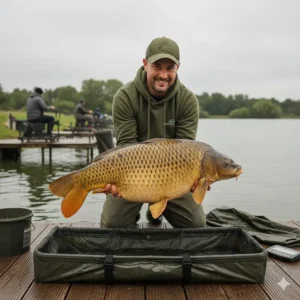
Understanding Micro Pellet Feeder Fishing Fundamentals
Before you start filling feeders and bombarding your local lake, it’s worth understanding exactly what makes micro pellet feeder fishing so effective on UK waters. Unlike traditional groundbait approaches that create a dense carpet of feed, the micro method utilises 2mm pellets fishing tactics to present a more subtle, natural feeding scenario.
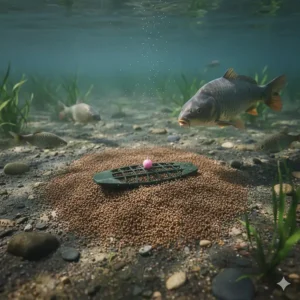
The principle behind this fine feed approach centres on creating competition amongst fish without overfeeding them. When F1 carp pellets or similar small offerings hit the lakebed, they create a scattered feeding zone that draws fish in but keeps them actively searching. This is fundamentally different from a groundbait ball that fish can gorge on without moving. According to the Angling Trust, modern commercial fishery tactics increasingly favour these precision feeding methods.
Why 2mm Pellets Outperform Larger Sizes
There’s solid science behind using 2mm pellets rather than 4mm or 6mm alternatives. Smaller pellets create more individual food items per given volume, meaning fish need to feed more actively to satisfy themselves. This increased feeding activity translates directly into more bites for you. Additionally, 2mm pellets break down more gradually in water, extending the effective feeding period of each cast.
The micro method fishing approach works particularly well because it mimics natural food sources more closely than large boilies or pellet chunks. Small fish like F1s and skimmer bream can easily consume 2mm offerings, whilst larger carp still find them irresistible. It’s this cross-species appeal that makes micro pellet tactics so versatile.
When to Switch to Micro Pellet Tactics
Knowing when to deploy small pellet tactics separates good anglers from great ones. Generally, micro pellet feeder fishing excels in these scenarios:
Winter Months: When water temperatures drop and fish become lethargic, commercial fishery tactics need adjusting. Smaller offerings that require minimal effort to consume become increasingly effective. The fine feed approach prevents overfeeding whilst maintaining fish interest.
High-Pressure Venues: On waters that see constant angling pressure, fish become wary of traditional tactics. F1 carp pellets presented via micro method can trigger bites when conventional approaches fail. These educated fish recognise subtle presentations.
Clear Water Conditions: When visibility is high, finesse matters. Small fish targeting with 2mm pellets fishing setups appears more natural than heavy groundbait clouds. The discrete presentation doesn’t spook nervous fish.
Match Situations: Time efficiency matters in competitions. The micro pellet feeder approach allows rapid-fire casting and quick bite indication – crucial when every fish counts. Many UK match winners rely exclusively on this method.
Choosing the Right Feeder for UK Waters
Selecting an appropriate feeder might seem straightforward, but subtle differences dramatically impact your catch rate. Let’s examine the main types and their specific applications on British fisheries.
In-Line vs Cage Feeders
In-Line feeders like the Preston ICS system sit directly on your mainline, creating a bolt-rig effect where fish hook themselves against the feeder’s weight. This self-hooking mechanism proves devastatingly effective for F1 carp and commercial carp that feed confidently. The streamlined profile also casts further and more accurately than bulkier alternatives.
Cage feeders (also called cage or maggot feeders) allow more freedom of movement but require more active bite detection. They excel when targeting smaller species like roach and skimmers that might be spooked by a heavy in-line setup. However, for dedicated micro pellet work, in-line designs generally outperform cage variants.
Feeder Weight Selection
Matching feeder weight to venue and conditions separates competent anglers from exceptional ones:
15-25g feeders: Perfect for short-range work (15-25 metres) on sheltered commercial fishery waters. These lighter weights create less disturbance on impact and work brilliantly for cautious F1s during tough sessions.
30-40g feeders: The workhorses of commercial fishing, covering distances from 20-45 metres comfortably. This range handles most UK fishery scenarios and provides enough weight for effective bolt-rig hooking.
45-60g+ feeders: Reserved for genuine long-range work or extremely windy conditions. Whilst less common in micro pellet fishing, they’re invaluable when fish sit at distance or surface drift becomes problematic.
Solid vs Mesh Body Construction
The Preston ICS solid body feeder exemplifies why many anglers prefer solid construction for 2mm pellets fishing. Mesh feeders allow pellets to escape prematurely during descent, whereas solid bodies retain contents until they reach the lakebed. This precision feeding creates tighter, more effective feeding zones.
However, mesh designs have merit when fishing shallow water where you want pellets dispersing throughout the water column. They also work well with larger 4mm pellets that won’t escape through the mesh. For pure micro pellet tactics though, solid construction wins every time.
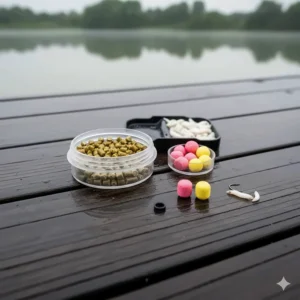
Pellet Selection and Preparation Strategies
Not all 2mm pellets are created equal. Understanding the nuances between different pellet types transforms average sessions into memorable ones.
Oil Content Considerations
High-oil pellets like marine halibut or salmon-based variants create instant attraction through oil slicks and scent trails. They excel in summer when fish feed actively and metabolise oils efficiently. However, their rapid breakdown can be counterproductive during winter when you need longer-lasting feed.
Low-oil pellets such as the Dynamite Carp Pellets maintain integrity longer, making them ideal for winter fishing or venues where you’re recasting frequently. They’re also more fishery-friendly, breaking down completely without leaving residues. The Robin Red formulation sits somewhere between, offering moderate oil content with exceptional flavour.
Preparing Pellets for Different Conditions
Summer preparation: In warm water (15°C+), hard dry pellets work perfectly. They’ll soften adequately during the session, creating a gradual feed release. Simply fill your feeder straight from the bag.
Winter preparation: Cold water (under 10°C) demands softened pellets for maximum effectiveness. Soak 2mm pellets in lake water for 20-30 minutes before fishing. They’ll absorb moisture, breaking down faster once on the lakebed. Some anglers add liquid attractants during soaking for extra pulling power.
The dampening technique: For medium-range conditions, lightly dampen pellets by spraying with water 10-15 minutes before use. This partial softening provides a middle ground between hard and fully soaked pellets. It’s particularly effective for commercial fishery tactics when conditions change throughout the day.
Mixing Pellet Sizes and Types
Creating your own pellet blend can significantly improve results. A popular UK commercial mix combines:
- 60% venue-provided pellets (usually 2-4mm)
- 30% quality branded 2mm pellets (Robin Red or similar)
- 10% micro groundbait for binding
This combination provides familiarity (venue pellets), attraction (premium pellets), and cohesion (groundbait). The F1 carp pellets used by most fisheries should form your base, enhanced rather than replaced by premium options.
Essential Rigging Techniques for Micro Method Success
Your presentation matters enormously when employing small pellet tactics. Even world-class pellets won’t produce if your rig lets you down.
The Perfect Hooklink Length
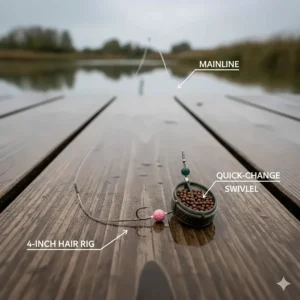
For in-line feeder work, hooklinks between 4-6 inches (10-15cm) prove most effective. This short length ensures your hookbait sits amongst the pellet carpet without straying far from the attraction zone. Longer hooklinks allow fish to mouth the bait and eject it before you notice.
When using flat method feeders, ultra-short hooklinks of 2-3 inches work brilliantly. The hookbait sits almost atop the feeder, perfectly positioned for those confident F1 carp that home straight in on the feed pile.
Hook Size Selection
Size 16 hooks represent the sweet spot for micro pellet feeder fishing on UK commercials. They’re small enough to present 6mm pellets or double maggot naturally, yet strong enough to handle double-figure carp. Barbless patterns aid quick unhooking – crucial during busy match sessions.
For cautious bites or ultra-finicky F1s, drop down to size 18 hooks. The smaller gape still accommodates micro hookbaits whilst appearing less suspicious. However, be prepared for the occasional hook pull on larger fish.
Larger size 14 hooks suit venues with genuine specimen carp. Whilst slightly less subtle, the increased strength prevents those heartbreaking hook straightenings when a twenty-pounder picks up your micro pellet offering.
Hookbait Options for Maximum Bites
Hard 6mm pellets: The standard approach that consistently catches. Hair-rigged 6mm pellets match your feed perfectly. For extra attraction, glug them in liquid attractant overnight.
Soft pellets (Fjuka 2in1): These hookable wonders can be fished directly on the hook or hair-rigged. Their soft texture means fish hold them longer, giving you extra time to strike. Particularly deadly for cautious F1s.
Double dead maggot: A brilliant change bait when pellets stop producing. The colour contrast against a pellet carpet often triggers bites from educated fish that have seen every pellet presentation going.
Artificial corn (buoyant): When fished snowman-style with a pellet, buoyant corn lifts your hookbait clear of bottom debris. This critically-balanced presentation can be devastating on commercial fisheries.
Advanced Commercial Fishery Tactics
Once you’ve mastered the basics, these refined techniques separate weekend warriors from podium finishers.
The Little-and-Often Approach
Rather than loading feeders to capacity and casting every 15 minutes, try half-filling feeders and casting every 5-7 minutes. This “little and often” strategy maintains constant attraction without overfeeding. It’s particularly effective for commercial fishery tactics when fish are present but feeding tentatively.
The constant stream of fresh pellets creates urgency amongst competing fish. They know food arrives regularly, encouraging immediate feeding rather than leisurely grazing. UK match anglers use this approach to devastating effect, building catch rates that leave competitors baffled.
Reading Bites on Micro Pellet Rigs
Savage pulls: Your quivertip wrenches round violently. These are confident F1s hoovering up your micro pellet carpet. Strike immediately – these fish have the bait well inside their mouths.
Triple knocks followed by a drop-back: Classic line-bites as fish move through your feed area. Don’t strike these. Reset your rod and prepare for the proper bite that usually follows within 30 seconds.
Slow, deliberate pulls: Larger carp mouthing your hookbait cautiously. Let the tip develop its curve for 2-3 seconds before striking. Premature strikes during these bites often result in missed fish.
Lift bites: Your quivertip springs back towards you as a fish picks up your rig. These occur frequently with short hooklinks on flat feeders. Strike the moment you see this – the fish already has the bait.
Adapting to Changing Conditions
Increasing wind: Switch to heavier feeders (add 10g) to maintain accuracy. Shorten your cast slightly – better to fish accurately at 30 metres than scattergun at 40.
Dropping temperature: Transition from hard to dampened pellets. Reduce casting frequency from 7 to 12 minutes. Fish become less active in cooling water, requiring a more patient approach.
Bright sunshine: Consider switching to natural-coloured hookbaits. Fish become more wary in high visibility conditions. The Fjuka natural or brown pellets outperform bright colours during sunny spells.
Fish moving off the bottom: This rarely happens with micro pellet tactics, but if bites cease abruptly, try a lighter feeder and slightly longer hooklink. This allows your rig to fall more slowly, intercepting fish in mid-water.
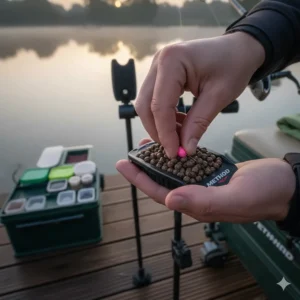
Seasonal Micro Pellet Strategies
Understanding how micro pellet feeder fishing adapts across seasons maximises your year-round success.
Spring Tactics (March-May)
As water temperatures rise from 8°C to 15°C, fish metabolism increases dramatically. This transitional period favours:
Progressive pellet dampening: Start with hard pellets in early spring, transitioning to slightly dampened versions as temperatures climb. This matches the pellets’ breakdown rate to fish feeding intensity.
Increasing feed volume: Begin conservatively with half-filled feeders, working up to full feeders by late May. Overfeeding early season venues can kill sport, but by May, fish actively seek calories.
Colour experimentation: Spring F1s often respond to colour changes. Trial red, white, and natural hookbaits systematically. Keep notes – successful colours often repeat annually.
Summer Strategies (June-August)
Peak feeding season demands aggressive tactics:
Maximum casting frequency: Every 5-6 minutes keeps competitive fish frenzied. The micro method fishing approach thrives during summer when fish compete for food.
Premium pellet investment: This is when expensive, high-oil F1 carp pellets justify their cost. Fish metabolise oils efficiently in warm water, making Robin Red and similar premium baits genuinely worth the investment.
Extended sessions: Summer F1s feed all day. Plan 10-12 hour sessions to maximise catches. The consistent micro pellet carpet keeps fish in your swim throughout.
Autumn Approaches (September-November)
Cooling water creates challenging but rewarding fishing:
Hybrid pellet mixes: Combine 2mm pellets fishing with fine groundbait. As temperatures drop, the groundbait provides visual attraction whilst pellets supply taste and scent.
Slowing down: Extend casting intervals to 10-12 minutes. Fish feed more selectively in cooling water, making the “little and often” approach less effective than measured, considered feeding.
Natural presentations: Switch to natural or brown hookbaits. Autumn fish become increasingly cautious, favouring subtle presentations over bright, obvious baits.
Winter Wisdom (December-February)
Cold-water micro pellet fishing demands patience and precision:
Softened pellets exclusively: Pre-soaking 2mm pellets ensures immediate breakdown. Fish won’t work for food in 5°C water – make it easy for them.
Minimal feeding: Quarter-fill feeders and recast every 15-20 minutes. Overfeeding is the number one mistake in winter commercial fishery tactics.
Midday focus: Fish most actively between 11am-3pm when water temperatures peak. Don’t waste time during dawn and dusk sessions that would be productive in summer.
Smaller hooks, lighter lines: Drop to size 18 hooks and 6lb hooklinks. Winter bites are tentative – heavy tackle spooks already cautious fish.
Top UK Venues for Micro Pellet Fishing
Whilst micro pellet feeder tactics work nationwide, certain venues particularly suit this approach:
Commercial Fisheries
Lindholme Lakes (Yorkshire): Renowned for prolific F1 populations, Lindholme epitomises commercial fishing excellence. The micro method absolutely hammers here, with 100lb+ bags achievable during summer.
Stafford Moor (Somerset): This complex of match lakes sees constant pressure, making refined small pellet tactics essential. Local anglers swear by dampened 2mm pellets during spring and autumn.
Partridge Lakes (Warwickshire): Home to countless matches, these prolific waters respond brilliantly to micro pellet approaches. The venue pellets work well, but adding premium baits lifts catch rates noticeably.
Canal Sections
Shropshire Union Canal (various locations): This canal holds quality roach, skimmers, and perch that respond well to micro feeders. Light 20g feeders with softened pellets produce consistently.
Leeds-Liverpool Canal (Lancashire): Regular pellet waggler and feeder matches prove this waterway’s suitability for pellet tactics. Small fish targeting using 2mm offerings can produce 50+ fish sessions.
Natural Venues
Linear Fisheries (Oxfordshire): Whilst famous for specimen carp, their match lakes fish superbly to micro pellet tactics. F1s, carp, and tench all respond to carefully presented 2mm pellets.
Tunnel Barn Farm (Warwickshire): Natural-looking pools that fish like commercials. The micro pellet feeder approach works brilliantly, though venue rules may restrict certain tackle – always check beforehand.
Common Mistakes and How to Avoid Them
Even experienced anglers make these micro pellet fishing errors:
Mistake 1: Overfilling Feeders
The problem: Cramming feeders with pellets creates a massive pile that fish gorge on without needing your hookbait. They fill up and swim off.
The solution: Fill feeders 60-70% capacity. This provides attraction without overfeeding. Think “little and often” rather than “huge and infrequent.”
Mistake 2: Wrong Feeder Weights
The problem: Using 45g feeders at 25 metres creates excessive splash, spooking fish. Conversely, 20g feeders at 50 metres land randomly.
The solution: Match feeder weight to distance. As a general rule, use 15-25g for under 30 metres, 30-40g for 30-45 metres, and 45g+ beyond that.
Mistake 3: Ignoring Line Management
The problem: Slack line between rod tip and feeder causes missed bites and poor hooking. Fish eject the bait before you realise they’re there.
The solution: Keep a tight line at all times. After casting, wind down until your quivertip shows a gentle curve. Engage the anti-reverse immediately after casting.
Mistake 4: Sticking with Failed Tactics
The problem: Persisting with hard pellets when fish clearly want soft, or maintaining pellet-only approaches when fish want variety.
The solution: Be adaptable. If bites dry up after 90 minutes, change something: hookbait, hooklink length, casting frequency, or pellet preparation. Rigid anglers catch fewer fish.
Mistake 5: Poor Pellet Storage
The problem: Storing opened pellet bags loosely allows moisture absorption, turning quality 2mm pellets into mushy disappointment.
The solution: Transfer pellets to airtight containers immediately after opening. This maintains freshness for months. Silica gel packets help prevent moisture issues.
Match Fishing with Micro Pellets
Competitive angling demands maximum efficiency. Here’s how match winners use micro pellet tactics:
Pre-Match Reconnaissance
Top match anglers arrive early to observe feeding patterns. Watch where other anglers catch, note wind direction, and identify features (islands, bars, margins). This intelligence informs your peg strategy.
The First Hour Strategy
0-10 minutes: Set up methodically. Rushing leads to tangles and mistakes. Prepare rigs, mix pellets, and organise your platform.
10-20 minutes: Cast your first feeder, but don’t expect instant action. You’re establishing a feed pattern. Recast every 5 minutes regardless of bites.
20-30 minutes: Bites should start. Maintain consistent casting. Don’t change tactics prematurely – fish need time to find your feed.
30-60 minutes: Establish your rhythm. Successful match fishing involves methodical, repetitive casting. Find your optimal frequency (usually 5-8 minutes).
Building and Maintaining Catch Rates
Once fish arrive, maintaining momentum becomes crucial:
Never stop feeding: Even when netting fish, have a loaded feeder ready to cast immediately afterwards. Gaps in feeding patterns let fish drift away.
Quality over quantity: Bank 3-4lb fish comfortably rather than rushing and losing them. A lost fish wastes 2-3 minutes and disrupts your swim.
Kit organisation: Keep spare rigs tied, hookbaits prepared, and pellets accessible. Fumbling wastes precious seconds that compound over 5 hours.
Final Hour Tactics
The last 60 minutes often decide placings:
Intensify feeding: Increase feeder capacity to 80-90%. This creates urgency amongst fish, triggering competitive feeding.
Go long then short: Fish different distances. Throw feeders 10-15 metres beyond your normal spot, then bring fish towards you. This prevents educated fish from sitting safely between casts.
Switch hookbaits: If one colour dominated, try another. Fresh stimulus can trigger bonus fish from cautious specimens that avoided your primary bait.
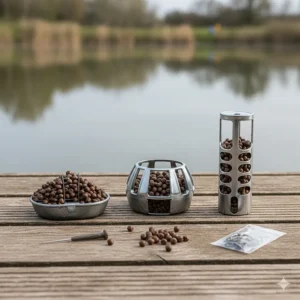
FAQ
❓ How often should I recast when micro pellet feeder fishing?
❓ Can I use micro pellet feeders on rivers as well as stillwaters?
❓ What's the best hookbait to use with a micro pellet feeder setup?
❓ Do I need expensive branded pellets or will fishery pellets work fine?
❓ How do I prevent tangles when using in-line pellet feeders?
Conclusion: Mastering Micro Pellet Feeder Fishing
If there’s one thing I hope you’ve taken from this comprehensive guide, it’s that micro pellet feeder fishing isn’t just another method – it’s a complete approach that can transform your commercial fishing results. Whether you’re targeting those prolific F1 carp pellets sessions or employing refined small pellet tactics for mixed bags, the principles remain consistent: present the right feed in the right quantity at the right time.
The beauty of this 2mm pellets fishing approach lies in its versatility. From frozen February mornings when softened pellets tempt lethargic F1s, through to blistering July afternoons when the micro method fishing style produces fish after fish after fish – this technique adapts beautifully. I’ve watched countless anglers struggle with traditional groundbait approaches on commercial fishery tactics days when a simple switch to micro pellets would’ve saved their session.
Remember, success comes from matching your setup to conditions. The Preston ICS feeder I’ve praised throughout this guide isn’t expensive marketing hype – it genuinely makes feeder changes effortless when fish demand tactical shifts. Similarly, investing in quality Dynamite Robin Red pellets rather than relying solely on venue offerings can mean the difference between 30lb and 80lb nets. These aren’t luxuries; they’re the fine margins that separate consistent anglers from frustrated ones.
As we move through 2026, expect micro pellet tactics to continue dominating UK commercials. The fish haven’t suddenly become less interested in small feed – if anything, they’re increasingly educated about traditional approaches, making the fine feed approach more essential than ever. Start with the fundamentals: accurate casting, consistent feeding patterns, and appropriate tackle. Then refine your approach based on what your local venues demand.
Get yourself down to your nearest commercial with a bag of 2mm pellets, a reliable feeder, and an open mind. You might just discover why this method has revolutionised UK coarse fishing. Tight lines, and may your next session be a purple patch!
Recommended for Yo
- 7 Best Night Fishing Tackle UK Options 2026
- Summer Float Fishing Setup UK: 7 Best Products (2026 Guide)
- 7 Best Winter Coarse Fishing Baits UK 2026
Disclaimer: This article contains affiliate links. If you purchase products through these links, we may earn a small commission at no additional cost to you. Prices shown are approximate and may vary.
✨ Found this helpful? Share it with your mates! 💬🤗
