
In This Article
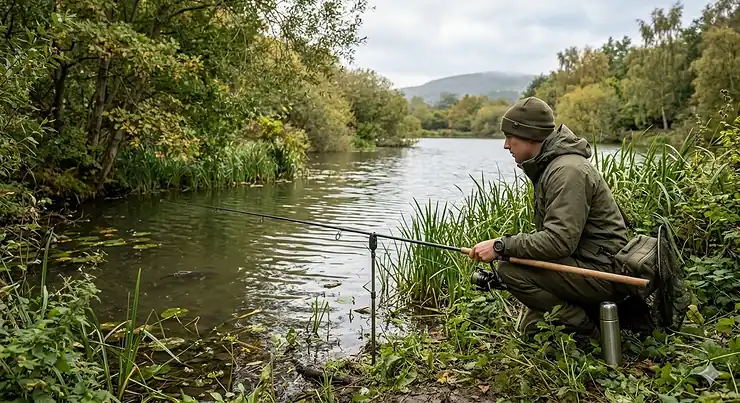
Picture this: you’re quietly creeping through the bankside undergrowth, and there it is – a magnificent 20-pounder lazily cruising just metres from the bank. But your 12-foot distance rod? Completely useless in this tight swim choked with overhanging willows. This is precisely where carp stalking rods become your secret weapon.
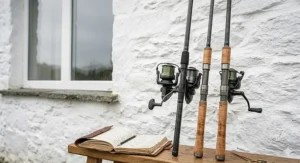
Unlike traditional carp rods designed for long-range work, carp stalking rods are typically between 6 and 10 feet in length, allowing you to navigate dense vegetation, maintain stealth, and control powerful fish at close quarters. Whether you’re targeting surface feeders with controllers or presenting margin baits under rod-tip control, these specialised tools have become indispensable in modern UK carp fishing.
The beauty of stalking lies in its active, hunting approach – a refreshing contrast to static distance fishing. According to the Environment Agency’s fisheries guidance, understanding fish behaviour in different water conditions is crucial, and stalking allows you to observe and adapt in real-time. With the right short carp stalking rods, you’ll unlock productive swims that most anglers simply cannot access.
In this comprehensive guide, we’ll examine seven of the finest carp stalking rods available on Amazon.co.uk in 2026, covering everything from budget-friendly options to premium carbon stalkers. We’ve researched specifications, analysed UK customer feedback, and compared pricing to help you make an informed choice. Ready to discover which lightweight stalking rods will revolutionise your margin fishing?
Quick Comparison Table
| Rod Model | Length | Test Curve | Material | Price Range (£) | Best For |
|---|---|---|---|---|---|
| NGT Dynamic Stalker | 8ft | 2.5lb | Fibreglass | £20-£35 | Budget beginners |
| Fox Horizon X3 | 10ft | 2.75lb | High modulus carbon | £115-£135 | Mid-range versatility |
| Nash Dwarf Shrink | 6ft | 2lb-3.5lb | Premium carbon | £160-£200 | Tight swims |
| ESP Stalker Rod | 9ft | 2.75lb | Carbon | £60-£70 | Value performance |
| Greys Stalking Rod | 7ft-9ft | 2.75lb | High modulus carbon | £55-£75 | Progressive action |
| Wychwood Extricator MLT | 9ft | 2.75lb | Carbon | £35-£50 | Classic reliability |
| Free Spirit Hi-S | 9ft-10ft | 2.75lb-3.25lb | 40t carbon | £200-£280 | Premium performance |
💬 Just one click – help others make better buying decisions too! 😊
✨ Don’t Miss These Exclusive Deals!
🔍 Take your carp fishing to the next level with these carefully selected products. Click on any highlighted item to check current pricing and availability on Amazon.co.uk. These tools will help you create authentic stalking setups your mates will envy!
Top 7 Carp Stalking Rods: Expert Analysis
1. NGT Dynamic Margin Stalker – Best Budget Entry Point
If you’re new to stalking or simply want an affordable rod to keep in the van for opportunistic sessions, the NGT Dynamic Margin Stalker represents exceptional value. This 8-foot, two-piece fibreglass rod features a 2.5lb test curve and comes finished in a subtle camo green colour that blends beautifully into bankside vegetation.
Key Specifications:
- Length: 8ft (2.4m), 2-piece construction
- Test curve: 2.5lb
- Material: Durable fibreglass blank
NGT has built a solid reputation in the UK for delivering functional tackle at accessible prices, and this stalker continues that tradition. UK customers on Amazon.co.uk consistently praise its surprising backbone for such an affordable rod, with several reviewers noting successful battles with double-figure carp in tight margins.
The fibreglass construction won’t win awards for sensitivity or casting performance, but it offers genuine forgiveness when playing fish under the rod tip – crucial when a powerful carp surges for snags just metres away. At around £25-£35, this represents your most cost-effective entry into dedicated stalking tackle.
✅ Pros:
- Exceptionally affordable for beginners
- Forgiving action ideal for margin work
- Camo finish aids stealth
❌ Cons:
- Heavier than carbon alternatives
- Limited casting distance
2. Fox Horizon X3 – Outstanding Mid-Range Performer
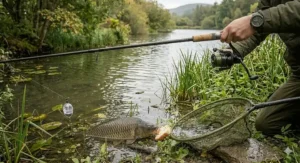
The Fox Horizon X3 has earned cult status among UK carp anglers, and the 10-foot version makes a superb stalking tool. Constructed from high modulus carbon with Fox’s signature multi-directional carbon weave, this rod punches well above its weight class.
Key Specifications:
- Length: 10ft, 2-piece
- Test curve: 2.75lb
- Material: High modulus lightweight carbon
What sets the Horizon X3 apart is its remarkable build quality at the £115-£135 price point. The glossy black finish with understated graphics looks premium, whilst the 18mm DPS-style reel seat and anti-tangle guides deliver smooth, trouble-free operation. UK buyers consistently mention the rod’s crisp responsiveness – it loads beautifully for accurate short-range casting yet possesses enough backbone to bully fish away from snags.
The 10-foot length bridges the gap between ultra-compact stalkers and traditional rods, making it genuinely versatile. You’ll use it comfortably for margin work, surface fishing with controllers, and even light PVA bag work at mid-range. Several Amazon.co.uk reviewers noted using it as their primary rod on smaller commercial fisheries.
✅ Pros:
- Exceptional value for money
- Versatile 10ft length
- Premium feel and finish
❌ Cons:
- Slightly long for extremely tight swims
3. Nash Dwarf Shrink – Premium Compact Excellence
For serious stalkers who demand the absolute best in close-quarters combat, the Nash Dwarf Shrink represents the pinnacle of compact carp rod design. Available in 6-foot versions with test curves ranging from 2lb to 3.5lb, these rods combine Nash’s renowned build quality with genuine innovation.
Key Specifications:
- Length: 6ft with retractable butt section
- Test curve: 2lb, 3lb, 3.25lb, or 3.5lb options
- Material: Premium high-modulus carbon
The standout feature is the retractable butt design, which allows you to fish at effectively two different lengths – perfect for transitioning from ultra-tight bankside work to slightly more open water. The full Japanese shrink wrap handle provides exceptional grip even in wet conditions, whilst the premium carbon blank delivers stunning sensitivity.
UK customer feedback highlights the rod’s ability to handle powerful fish despite its compact size. At £160-£200, you’re paying premium prices, but you’re receiving premium performance. The Nash Dwarf range is particularly popular among specimen hunters who frequently fish heavily snag-laden waters.
✅ Pros:
- Innovative retractable butt design
- Multiple test curve options
- Superb build quality and components
❌ Cons:
- Premium pricing
- Requires experienced handling technique
4. ESP Stalker Rod – Brilliant Value All-Rounder
ESP’s reputation for producing honest, functional tackle at fair prices shines through with their Stalker Rod series. The 9-foot version offers a sweet spot between compact manoeuvrability and practical casting range, making it ideal for anglers who want one rod to cover multiple stalking scenarios.
Key Specifications:
- Length: 9ft, 2-piece
- Test curve: 2.75lb
- Material: Quality carbon construction
Priced at £60-£70, the ESP Stalker sits comfortably in the budget-to-mid-range category whilst delivering performance that belies its modest cost. The through-action blank absorbs powerful lunges beautifully – essential when you’re playing fish just metres from structure. UK buyers frequently mention its reliability and the confidence it inspires when fighting fish in challenging situations.
The rod features a cork handle for comfortable grip, anti-tangle guides, and understated cosmetics that won’t spook wary fish. It’s particularly well-suited to surface fishing with floaters or controllers, where the progressive tip section helps cushion sudden takes.
✅ Pros:
- Excellent price-to-performance ratio
- Reliable through-action for fish control
- Versatile 9ft length
❌ Cons:
- Less refined than premium alternatives
5. Greys Stalking Rod – Progressive Power for Active Anglers
The Greys Stalking Rod range offers two models – a 7-foot powerhouse and a 9-foot versatile option – both built around the same philosophy of progressive power delivery. Constructed from high modulus carbon with a silk-black blank and 1K detailing, these rods look as good as they perform.
Key Specifications:
- Length: 7ft or 9ft options
- Test curve: 2.75lb
- Material: Lightweight high modulus carbon
The 7-foot version excels in genuinely restricted swims where casting distance is irrelevant and fish control is paramount. Its progressive lower butt section delivers surprising power for such a short rod, whilst the forgiving tip protects light hookholds. The 9-foot model offers more versatility, handling everything from margin work to light leads and surface fishing.
UK anglers praise the quality cork handle, robust double-leg SIC guides, and the folding hook keeper that prevents tangles when moving between swims. At £55-£75, they represent solid mid-range value. The lightweight carbon construction reduces arm fatigue during extended stalking sessions – a real benefit when you’re covering ground throughout the day.
✅ Pros:
- Choice of two practical lengths
- Progressive action aids fish control
- Quality components throughout
❌ Cons:
- Limited availability in some regions
6. Wychwood Extricator MLT – The Classic Choice
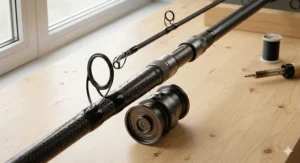
Few rods have achieved the legendary status of the Wychwood Extricator series. The MLT (Multi Length Travel) stalking version maintains that heritage whilst offering exceptional value for money. Available in 9-foot configuration with a 2.75lb test curve, this rod has probably caught more UK carp than any other stalking rod.
Key Specifications:
- Length: 9ft
- Test curve: 2.75lb
- Material: Carbon construction
What makes the Extricator special is its forgiving, fish-friendly action that seems to inspire confidence in anglers of all skill levels. The rod bends progressively through to the butt section, making it exceptionally difficult to lose fish even when they’re powering around at close range. UK customer reviews consistently mention its reliability and the number of memorable fish landed.
At £35-£50, the Extricator MLT represents outstanding value. It won’t win awards for the latest carbon technology or cutting-edge cosmetics, but it will catch you fish – consistently and reliably. The EVA handle option provides excellent grip, whilst the overall build quality ensures years of service.
✅ Pros:
- Legendary reliability and fish-playing action
- Outstanding value for money
- Trusted by generations of UK carp anglers
❌ Cons:
- Cosmetics feel dated compared to modern alternatives
- Heavier than premium carbon stalkers
7. Free Spirit Hi-S – Ultimate Premium Performance
For anglers who demand the absolute finest tackle money can buy, the Free Spirit Hi-S stalking rods represent the pinnacle of UK rod manufacturing. Built using 40t low-resin carbon with the company’s renowned ‘Perdurable’ blank finish, these rods combine stunning performance with genuine longevity.
Key Specifications:
- Length: 9ft or 10ft options
- Test curve: 2.75lb or 3.25lb
- Material: 40t low-resin Japanese carbon
The use of premium 40t carbon ensures these blanks are exceptionally light yet powerful, with lightning-fast recovery. The full cork handle, Kigan 3D rings, and Fuji DPS reel seat represent the finest components available. UK specialist anglers who’ve invested in Hi-S rods report unmatched sensitivity and fish-playing characteristics.
At £200-£280, you’re paying top-tier prices. However, you’re receiving a rod that will likely outlast several cheaper alternatives whilst delivering superior performance throughout its lifetime. The 10-foot stalker is particularly popular among anglers who want a rod capable of handling both stalking duties and more general small-water work.
✅ Pros:
- Exceptional build quality and components
- Ultra-light 40t carbon construction
- Outstanding fish-playing characteristics
❌ Cons:
- Premium pricing
- Overkill for casual stalkers
Understanding Test Curves and Power Ratings
When selecting carp stalking rods, understanding test curve is crucial for matching your rod to your fishing style. The test curve – measured in pounds (lb) – indicates the weight required to bend the rod tip to 90 degrees from the butt.
Most stalking rods feature test curves between 2lb and 3.5lb. Lower test curves (2lb-2.5lb) excel for surface fishing and lighter presentations, offering superb bite indication and fish-playing characteristics with lighter lines. These work brilliantly when targeting carp on floaters or using delicate margin setups.
Higher test curves (3lb-3.5lb) provide the extra backbone needed for casting heavier leads, punching through weed, or extracting fish from heavy snags. They’re essential if you fish heavily stocked commercial waters or venues with significant underwater structure. The Environment Agency’s biosecurity guidance reminds us to use appropriate tackle that minimises stress on fish populations.
For most UK anglers, a 2.75lb test curve represents the sweet spot – versatile enough for multiple techniques whilst providing sufficient power for confident fish handling. Consider stepping down to 2.5lb if you primarily surface fish, or up to 3lb+ if you regularly tackle heavily weeded venues or fish for larger specimens in challenging conditions.
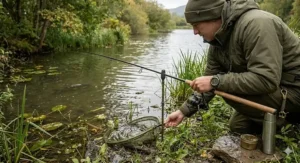
Length Matters: Choosing Your Perfect Stalking Rod Size
The length of your carp stalking rods dramatically influences where and how effectively you can fish. Understanding the practical implications of different lengths helps you make smarter tackle choices.
6ft Stalking Rods UK: Ultra-compact 6ft stalking rods excel in genuinely restricted situations – think overhanging trees, dense bush swims, or tight estate lake margins. They offer unmatched manoeuvrability and allow you to fish vertically under the rod tip. However, they sacrifice casting distance and provide limited fish control at range. Perfect as a specialist tool rather than your only stalking rod.
8ft Options: The most popular length for dedicated stalking. Eight-foot rods balance compact handling with practical casting ability, allowing you to cover swims from tight margins out to perhaps 30-40 metres with appropriate leads. They’re light enough to carry all day yet substantial enough to handle powerful fish confidently.
9-10ft Versatile Lengths: These longer stalking rods blur the line between stalkers and traditional rods. A 10-foot stalker handles margin work competently whilst providing sufficient length for more open-water presentations. Many UK anglers use 9-10ft stalkers as their primary rods on smaller commercial waters, valuing their genuine all-round capability.
Consider your target venues carefully. If you fish tree-lined estate lakes with tight swims, prioritise shorter options. For varied venues including more open commercials, a 9ft rod offers greater versatility. Many experienced stalkers maintain two rods – a 6-7ft specialist for extreme situations and an 8-9ft workhorse for general stalking.
Carbon vs Fibreglass: Material Considerations
The blank material fundamentally affects your rod’s performance, durability, and price point. Understanding the practical differences helps you invest wisely.
High Modulus Carbon
Modern carbon stalking rods use high-modulus carbon fibre, often specified as 24t, 30t, or even 40t (where ‘t’ refers to ‘tonnes’ – the tensile strength). Higher modulus carbons create lighter, more responsive blanks with faster recovery.
Advantages:
- Exceptional sensitivity for bite detection
- Lighter weight reduces fatigue during extended sessions
- Faster blank recovery aids casting accuracy
- Premium feel and performance
Considerations:
- Higher cost, especially for 40t+ carbons
- Require more careful handling to avoid damage
- Less forgiving of poor technique
Fibreglass Construction
Traditional fibreglass blanks remain popular in budget stalking rods. Modern fibreglass offers impressive durability and forgiving action characteristics.
Advantages:
- Outstanding value for money
- Very forgiving action protects light hookholds
- Exceptional durability – nearly indestructible
- Ideal for beginners learning fish-playing skills
Considerations:
- Heavier than carbon equivalents
- Less sensitive bite indication
- Slower blank recovery
- Limited casting performance
For most UK anglers, mid-range carbon rods (using 24t-30t carbons) represent the sweet spot between performance and affordability. Budget-conscious beginners benefit from fibreglass reliability, whilst specialist anglers appreciate the refinement of premium 40t carbon stalkers. Your fishing style, budget, and experience level should guide your choice.
Essential Features to Consider in Lightweight Stalking Rods
Beyond basic specifications, several key features separate exceptional carp stalking rods from mediocre alternatives. Understanding these details helps you make informed purchasing decisions.
Guide Configuration
Quality guides are crucial for lightweight stalking rods. Look for anti-tangle tip guides that prevent line wrapping – a common frustration when fishing at close range. SIC (Silicon Carbide) or ceramic guides offer excellent durability and smoothness. Butt guide size matters: 40mm rings suit lighter test curves, whilst 50mm rings benefit rods casting heavier leads.
Reel Seat Quality
The reel seat anchors your reel securely and affects overall balance. DPS-style (Down-locking Producing System) reel seats are popular for their low profile and security. Fuji components represent the gold standard, offering smooth operation and long-term reliability. Ensure the seat accommodates your preferred reel size comfortably.
Handle Materials and Design
Handle material influences grip, comfort, and overall rod weight. Full cork handles provide traditional feel, excellent grip when wet, and natural aesthetics. EVA foam handles offer durability and easy maintenance whilst remaining lightweight. Shrink-wrap handles (popular on premium stalkers) combine minimal weight with secure grip.
For stalking specifically, abbreviated handles save weight and improve manoeuvrability through vegetation. However, full-length handles provide better leverage when bullying fish away from snags. Consider your primary fishing situations carefully.
Hook Keeper and Line Clip
Often overlooked, a quality hook keeper allows you to secure your rig safely whilst moving between swims – essential when stalking through dense bankside cover. Folding hook keepers sit flush when not needed, preventing snagging on branches. Line clips keep everything tidy and ready for instant presentation when you spot feeding fish.
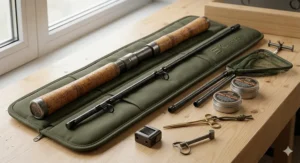
Techniques and Applications for Mobile Carp Fishing Rods
Carp stalking rods unlock fishing approaches that traditional distance tackle simply cannot accommodate. Understanding these techniques helps you maximise your investment.
Surface Fishing with Controllers
One of the most exciting stalking applications involves targeting carp feeding on the surface. Using a controller float (a weighted surface float), you can present floaters at range whilst maintaining perfect bait control. Short carp stalking rods excel here – their progressive tips cushion sudden surface takes, preventing pulled hooks.
Select controllers matched to your rod’s test curve. Light controllers (10-15g) suit 2lb-2.5lb stalkers for delicate presentations, whilst heavier options (20-30g) work better with 3lb+ rods when you need distance or wind penetration. UK waters come alive with surface activity during warm summer months, making this technique incredibly productive.
Margin Fishing Fundamentals
Margin fishing represents stalking in its purest form – presenting baits within rod length of the bank. This technique catches countless carp that other anglers overlook, particularly during summer when fish patrol margins feeding on naturals.
Use compact carp tackle to maintain stealth. Keep low, move slowly, and avoid vibrations that might spook fish. Present baits on short hooklinks (6-8 inches) with minimal lead weight – just enough to anchor your bait. The forgiving action of quality stalking rods proves invaluable when fish bolt at close range with nowhere to go.
Floater Gear and Freelining
Freelining – fishing without any additional weight – creates wonderfully natural presentations for wary carp. This technique shines in gin-clear water or when targeting particularly cautious fish. Your rod becomes both casting tool and bite indicator, requiring you to watch the line constantly for movement.
Light test curve stalkers (2lb-2.5lb) feel like an extension of your arm when freelining, telegraphing every pluck and inquiry. Use this approach with bread, surface pellets, or strategically placed boilies. It’s intimate, exciting fishing that reconnects you with the basics of angling.
Trees, Snags and Tight Swims
Perhaps the ultimate stalking scenario involves extracting powerful carp from seemingly impossible swims choked with submerged timber, lily pads, or overhanging trees. Here, rod length and power become critical.
Ultra-short 6ft stalking rods allow you to fish vertically downwards, maintaining perfect control throughout the fight. Higher test curves (3lb+) provide the backbone to bully fish upwards and away from snags before they gain leverage. Master this technique, and you’ll access productive swims other anglers abandon as unfishable.
Maintenance and Care for Long-Term Performance
Quality carp stalking rods represent significant investments deserving proper care. Following these maintenance practices ensures years of reliable service.
Post-Session Cleaning
After every session, especially in muddy or weedy conditions, clean your rod thoroughly. Use lukewarm water and a soft cloth to remove dirt, algae, and debris from guides, reel seat, and blank. Pay particular attention to guide inserts where grit can cause wear. Never use harsh chemicals or abrasive materials that might damage rod finish.
For rods used in saltwater venues (some UK carp waters have tidal influences), thorough freshwater rinsing is essential. Salt crystals cause corrosion on guide frames and reel seats if left unchecked.
Storage Recommendations
Store stalking rods in protective rod bags or tubes, kept horizontally in cool, dry conditions away from direct sunlight. UV exposure degrades resins and weakens carbon fibres over time. Avoid storing rods near heat sources like radiators, which can affect blank integrity.
If storing joined-up rods, ensure they’re properly supported along their length. Never lean rods in corners – this can create permanent bends, especially in lighter carbon blanks. For multi-piece rods, store sections separately in their cloth bags to prevent rubbing and cosmetic damage.
Guide Inspection and Repair
Regularly inspect guide inserts for cracks or grooves. Damaged guides wreck fishing line and severely impair casting performance. Run cotton buds or nylon stockings through guides – snags indicate damage requiring immediate attention. Most tackle shops offer guide replacement services, or DIY kits enable home repairs.
Check whipping (the thread securing guides to blank) for fraying or loosening. Early intervention with rod varnish can prevent guide detachment. Quality rods deserve quality maintenance.
UK Regulations and Responsible Stalking Practices
Understanding legal requirements ensures you fish responsibly whilst supporting conservation efforts that protect UK waters for future generations.
Licensing Requirements
According to GOV.UK guidance, anyone aged 13 or over fishing for carp in England and Wales requires a valid Environment Agency rod licence. Licences are available in one-day, eight-day, or annual durations, with concessions for juniors, seniors, and disabled anglers.
Standard licences permit two rods; many carp anglers upgrade to three-rod licences for versatility. Fishing without a valid licence can result in fines up to £2,500 and equipment confiscation. Environment Agency enforcement officers regularly patrol popular waters, so compliance is essential.
Additionally, most waters require day tickets or permits from venue owners or angling clubs. Always secure necessary permissions before fishing – trespass is a civil offence with potential legal consequences.
Close Season Considerations
The statutory close season for coarse fishing (including carp) runs from 15 March to 15 June inclusive on rivers, streams, and drains in England and Wales. This protects spawning fish. However, the close season doesn’t apply to most stillwaters and canals, where year-round fishing is permitted subject to venue rules.
Always verify specific regulations for your chosen water. Some Sites of Special Scientific Interest maintain close seasons even on stillwaters. Respect these restrictions – they’re crucial for maintaining healthy fish populations.
Catch and Release Best Practices
UK carp fishing operates primarily on catch-and-release principles. Handling fish properly minimises stress and ensures their welfare:
- Use appropriate-sized unhooking mats to protect fish from injury
- Wet your hands before handling to preserve protective slime coating
- Never squeeze fish or hold them vertically for extended periods
- Remove hooks carefully, using forceps or disgorgers
- Support fish properly during photography – keep sessions brief
- Allow adequate recovery time before release, supporting fish upright until they swim away strongly
The Environment Agency’s fish welfare guidance emphasises responsible angling practices that prioritise fish health. By following these principles, you contribute to sustainable fisheries that benefit all anglers.
Frequently Asked Questions
❓ What length stalking rod is best for UK carp fishing?
❓ Can I use a normal carp rod for stalking?
❓ What test curve should I choose for stalking carp?
❓ Are expensive stalking rods worth the investment?
❓ How do I prevent fish reaching snags when stalking?
Conclusion: Choosing Your Perfect Carp Stalking Rod
Selecting the ideal carp stalking rods transforms your margin fishing from frustrating to phenomenally productive. Throughout this guide, we’ve examined seven outstanding options spanning budget fibreglass stalkers through to premium 40t carbon masterpieces, each offering distinct advantages for UK waters.
For beginners or anglers seeking affordable entry into stalking, the NGT Dynamic Margin Stalker delivers surprising capability at £25-£35, whilst the legendary Wychwood Extricator MLT offers proven reliability and fish-catching pedigree at £35-£50. These budget options prove you don’t need premium pricing to catch carp effectively.
Mid-range anglers will find exceptional value in the Fox Horizon X3 (£115-£135) and ESP Stalker Rod (£60-£70), both combining quality components with genuine performance. The Horizon X3 particularly impresses with its refinement and versatility – a rod you’ll confidently use for years.
Serious specimen hunters demanding ultimate performance should consider the Nash Dwarf Shrink (£160-£200) or Free Spirit Hi-S (£200-£280). These premium tools justify their pricing through exceptional build quality, cutting-edge materials, and genuine longevity.
Remember that the “best” stalking rod depends entirely on your specific requirements. Consider your target venues’ characteristics, preferred techniques, budget constraints, and experience level. An ultra-compact 6ft rod perfect for snag-filled estate lakes might prove frustrating on more open commercials requiring casting versatility.
Most importantly, get out there and fish! The finest tackle in the world won’t catch carp sitting in your garage. Whether you invest £30 or £300, what matters is using your lightweight stalking rods to unlock productive swims others cannot access. Master stalking fundamentals, respect fish welfare, follow UK regulations, and you’ll discover one of carp fishing’s most exciting and rewarding disciplines.
Tight lines, and may your next stalk result in a memorable margin monster!
Recommended for You
- 7 Best 13ft Carp Rods UK 2026 | Expert Distance Casting Guide
- 7 Best 12ft Carp Rods 2026
- 7 Best Premium Carp Rods UK 2026: Expert Tested Guide
Disclaimer: This article contains affiliate links. If you purchase products through these links, we may earn a small commission at no additional cost to you. Prices shown are approximate and may vary.
✨ Found this helpful? Share it with your mates! 💬🤗
