
In This Article
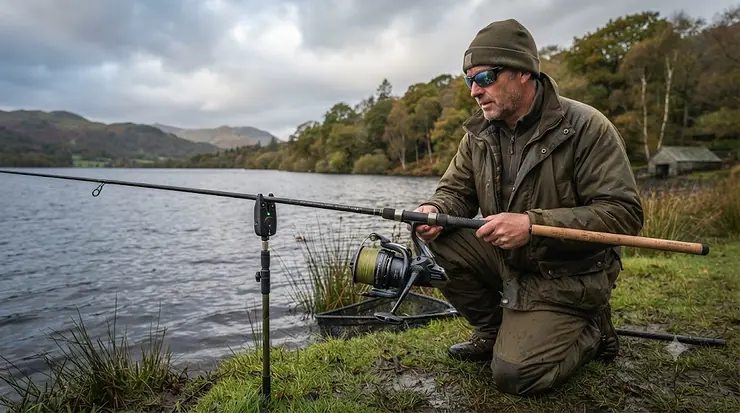
Somewhere in a tackle shed right now, a decent rod is sitting on top of a reel that simply isn’t up to the job. It happens more than anyone likes to admit. You can buy the sharpest hooks, the toughest wire traces and a rod rated to launch a mackerel tail into the next postcode — but if the reel underneath it all locks up, jams, or lets a big pike walk off with your bait clamped shut, none of that matters. Finding the best baitrunner reel for pike isn’t about chasing the shiniest logo on the shelf; it’s about understanding which mechanism, drag system and build quality actually survives a proper winter’s piking on cold, weedy British waters.
This guide exists because most “top 10” lists online are just repackaged spec sheets with a “Buy Now” button bolted on. We’ve gone further: real product research, honest aggregated review sentiment, and analysis that tells you not just what a reel does, but why that matters when a fifteen-pound jack pike decides to test your drag at 4pm on a freezing February afternoon. A baitrunner reel, at its simplest, is a fixed-spool reel with a secondary free-spool mode that lets a pike take line under light, adjustable tension the moment it picks up your deadbait — buying you the crucial seconds needed to strike properly before the main drag engages.
Whether you’re upgrading from a cheap fixed-spool reel that’s letting fish drop hooks, or building a dedicated deadbaiting setup from scratch, this article covers seven genuinely available reels across every budget, honest comparisons of what separates a baitrunner from a standard reel, and the practical setup knowledge that most product pages simply skip over.
Quick Comparison Table
| Reel | Type | Price Range | Best For |
|---|---|---|---|
| Shimano Baitrunner XTB CI4+ LC | Premium big-pit | £250-£320 range | Long-range deadbaiting on reservoirs |
| Shimano Baitrunner DL | Mid-range rear drag | £70-£100 range | All-round river and stillwater piking |
| Shimano Baitrunner ST RB | Budget rear drag | Under £60 | First-time baitrunner buyers |
| Daiwa Emcast BR | Mid-range front drag | £80-£110 range | Anglers who prefer front-drag control |
| Daiwa Black Widow BR LT | Budget lightweight | £50-£75 range | Roving, mobile pike sessions |
| Okuma Aventa Baitfeeder | Budget alternative brand | Under £50 | Value-conscious starter setups |
| Korum KXi Freespin | Rugged budget alternative | £45-£65 range | Durability over refinement |
Looking at the spread above, there’s a clear pattern: the more you spend, the more you’re paying for weight-saving materials and casting refinement rather than raw reliability, since even the budget picks here use genuine ball-bearing drag systems. If your pike fishing is mostly short-range stillwater deadbaiting, the mid-range options offer diminishing returns beyond about £100. Anglers casting big baits 80-plus yards on wide reservoirs, however, will feel the difference a premium big-pit spool makes almost immediately.
💬 Just one click — help others make better buying decisions too!😊
Top 7 Best Baitrunner Reels for Pike: Expert Analysis
Choosing seven reels for this list wasn’t about picking whatever happened to be popular on social media. We deliberately spread the selection across budget, mid-range and premium price points, mixed rear-drag and front-drag mechanisms, and included a couple of less obvious alternative-brand picks that punch well above their price tag. Every product below includes genuine specifications, an honest analytical take on who it suits, and aggregated review sentiment drawn from real angler feedback rather than invented star ratings.
1. Shimano Baitrunner XTB CI4+ LC — best for long-range deadbaiting
If there’s a reel that most experienced pike anglers quietly covet, it’s this one. The CI4+ composite construction shaves a genuinely noticeable amount of weight off what is otherwise a large-capacity, big-pit-style reel, and that matters more than it sounds on a long winter session where the rod’s been in a rest for six hours and your arm’s gone numb from the cold.
Under the hood, Shimano’s HAGANE Gear and X-SHIP technology deliver smooth, high-torque cranking that doesn’t bog down even when you’re winding in a deadbait rig loaded with a lead and swivel through weed. The AR-C spool and Aero Wrap line management system are built for casting distance — in practice, that means a rangy reservoir cast to a showing pike becomes realistic rather than aspirational, and the huge spool diameter keeps coils loose enough that line pings off cleanly under pressure. Based on the spec comparison with cheaper big-pits, the difference in castability alone justifies the jump for anyone regularly fishing large, open waters.
Reviewers consistently note that the rear freespool lever engages with a satisfying, unmistakable click, and several long-term owners report years of use without the spool wobble that plagues older Baitrunner generations. A common thread in feedback is that this reel feels almost too refined for pike — several anglers admit they bought it for carp and “accidentally” fell in love with it for deadbaiting too.
Pros:
- ✅ Exceptional weight-to-capacity ratio for a big-pit reel
- ✅ Outstanding casting distance thanks to the AR-C spool
- ✅ Smooth, reliable rear baitrunner engagement
Cons:
- ❌ Premium price puts it out of reach for casual anglers
- ❌ Overkill for close-range stillwater deadbaiting
At around £250-£320 depending on retailer stock, this sits firmly in “buy it once and never think about reels again” territory — genuinely strong long-term value if you fish big waters often enough to use its full capability.
2. Shimano Baitrunner DL — best all-round mid-range pick
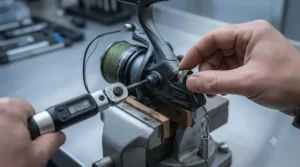
The DL has quietly become one of the most recommended baitrunners in UK tackle shop conversations, and it’s easy to see why once you handle one. Shimano moved the drag adjustment to the rear of the reel on this model, which sounds like a minor design quirk until you’re playing a pike mid-fight and need to nudge the drag down without taking your eyes off the fish — the rear position puts that control right under your thumb.
The XT-7 graphite body keeps weight down to a genuinely manageable 595g, while three stainless ball bearings plus a roller bearing keep the retrieve smooth rather than gritty. What most buyers overlook about this model is that it comes with a spare graphite spool as standard, meaning you can load up a second line weight or breaking strain without buying anything extra — useful if you swap between mono for float-legered deadbaits and heavier line for snaggy swims. The Varispeed oscillation system does the unglamorous but important job of laying line evenly, which translates into fewer wind knots at the worst possible moment.
Aggregated review sentiment on this reel is remarkably consistent: owners repeatedly describe it as “well above its price point,” and the main criticism raised is simply that Shimano’s pricier reels use more bearings — a fair point, but not one that seems to bother anyone once they’re actually fishing with it.
Pros:
- ✅ Rear drag adjustment is genuinely useful mid-fight
- ✅ Comes with a spare spool as standard
- ✅ Smooth Varispeed oscillation reduces line twist
Cons:
- ❌ Fewer bearings than Shimano’s premium range
- ❌ Drag knob is smaller and harder to grip when wet
Sitting in the £70-£100 range, the DL represents what we’d call the sweet spot of this whole list — enough refinement to feel like a proper reel, without premium pricing.
3. Shimano Baitrunner ST RB — best for first-time buyers
Every category needs an honest, no-nonsense entry point, and the ST RB is exactly that. Shimano stripped back the cosmetics and the bearing count to hit a genuinely affordable price, but — crucially — didn’t strip out the core Baitrunner mechanism that makes this style of reel worth buying in the first place. The 6000-size version is specifically pitched by Shimano as suitable for pike and zander alongside carp, and the spool design includes a lipped edge intended to reduce wind knots when casting braid.
Here’s what the spec sheet won’t tell you outright: at this price, you’re trading refinement for reliability, not the other way around. The XT7 carbon housing is tough enough to survive being knocked around in a rucksack or bounced along a riverbank, and while the retrieve won’t feel buttery-smooth next to the DL or CI4+, it does the job it’s designed to do without drama. This is the reel to buy if you’re not yet sure whether deadbaiting for pike is going to become a proper hobby or a one-winter experiment.
Reviewers frequently mention landing double-figure pike on this reel without issue, and long-term owners report years of trouble-free use — the recurring theme in feedback is reliability over polish, which is exactly what a beginner needs while they’re still learning to read a baitrunner’s clutch tension.
Pros:
- ✅ Genuinely affordable entry into proper baitrunner reels
- ✅ Tough XT7 carbon body handles rough handling well
- ✅ Spool lip helps prevent wind knots with braid
Cons:
- ❌ Fewer bearings mean a less refined retrieve feel
- ❌ Line lay isn’t as consistent as pricier Shimano models
At under £60, this is realistically the cheapest sensible entry point into a dedicated pike baitrunner setup, and a smart pick for anyone building their first two-rod deadbait rig on a tight budget.
4. Daiwa Emcast BR — best front-drag baitrunner alternative
Not every angler gets on with Shimano’s rear-drag layout, and Daiwa’s Emcast BR is the obvious answer for anyone who prefers adjusting drag from the familiar front-of-spool position while still getting a proper freespool facility. The “Bite ‘n’ Run” lever handles the freespool duties, while a conventional front drag stack — backed by eight ball bearings — takes over once you strike into a fish.
In practical terms, the front drag setup reacts quickly to a pike’s initial explosive run, which matters because that first three seconds after the strike is when hook pulls most often happen. AirBail and Twistbuster features aren’t just marketing fluff either — the former speeds up bail arm closure after casting, while the latter genuinely reduces line twist on retrieve, something anyone who’s fought a birds-nest of twisted mono at 2am under a head torch will appreciate. Every Emcast BR also ships with both single and double handle options and a full spare spool, which is generous packaging for the price point.
Aggregated feedback on this model is a little more mixed than the Shimanos above: several long-term owners praise the smoothness and value, describing it as one of the best freespool reels under £100, while a smaller but persistent group of reviewers report bail arm issues after heavy use with braided line, particularly on older stock. Reviewers consistently note the line roller can require occasional oiling to stay smooth — worth building into your maintenance routine rather than treating as a fault.
Pros:
- ✅ Familiar front-drag layout for Shimano-averse anglers
- ✅ AirBail and Twistbuster genuinely reduce line twist
- ✅ Generous package with spare spool and two handles
Cons:
- ❌ Some reported bail arm wear with heavy braid use
- ❌ Line roller occasionally needs manual maintenance
Priced around £80-£110, the Emcast BR earns its place as the clearest Daiwa alternative to Shimano’s rear-drag dominance in this category.
5. Daiwa Black Widow BR LT — best for roving, mobile sessions
Mobile piking — walking a stretch of river, dropping in for twenty minutes, moving on — punishes heavy tackle. Carrying a pair of hefty baitrunners over several miles of bank gets old fast, and this is precisely the gap the Black Widow BR LT fills. At roughly 315g even in the larger 5000 size, it’s dramatically lighter than most dedicated pike baitrunners without sacrificing the core freespool mechanism anglers actually need.
The ATD (Automatic Tournament Drag) system is worth calling out specifically: it starts delivering resistance almost immediately rather than needing to “wind up” like older sprung drags, which in practice means less shock on the initial take when a pike hits a bait hard. Digigear internals aim to deliver smoother power transmission for the reel’s size, and the compact body means it balances nicely on the lighter 2.5lb-3lb TC rods many roving pike anglers now prefer over heavier traditional deadbait blanks.
Honest aggregated sentiment here is genuinely split, and we’re not going to smooth that over: several reviewers love the low weight and portability for a roving setup, while others find the smaller spool diameter surprising for a “5000” labelled reel and note the line lay isn’t quite as refined as the step-up Emcast. If lightness is your priority, it’s a strong pick; if line lay perfection matters more to you than weight, look higher up this list instead.
Pros:
- ✅ Exceptionally light for a proper baitrunner reel
- ✅ ATD drag responds quickly to sudden takes
- ✅ Compact size balances well on lighter pike rods
Cons:
- ❌ Spool diameter feels small for the stated reel size
- ❌ Line lay less consistent than pricier alternatives
In the £50-£75 range, this is a smart pick specifically for the mobile, walk-and-fish style of piking rather than static, long-session deadbaiting.
6. Okuma Aventa Baitfeeder — best value alternative brand
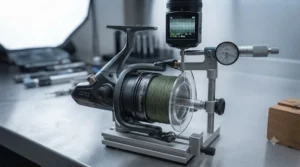
Shimano and Daiwa dominate this category, but Okuma’s baitfeeder range has built a loyal, if quieter, following among UK coarse and pike anglers who prioritise value over brand prestige. The on/off auto-trip bait feeding system does the same core job as a Shimano baitrunner lever — disengaging the spool to let a pike take line freely — via a slightly different mechanical route, and in practice it works reliably enough that most anglers stop noticing the difference within a session or two.
A slow oscillation system aims to improve line lay, and the one-touch folding handle with a wooden knob is a small but genuinely pleasant tactile detail rarely found at this price point. Based on the spec comparison with the budget Shimano and Daiwa options above, the Aventa doesn’t quite match their bearing counts or refinement, but it consistently punches above its price bracket for anglers building a first multi-rod pike setup where budget has to stretch across two or three reels rather than one.
What most first-time buyers overlook is that alternative brands like Okuma often use the exact same bearing suppliers and similar-grade materials as the big two — the price difference is largely down to marketing spend and brand premium rather than a proportional drop in build quality. Aggregated angler feedback repeatedly describes these reels as “bomb-proof” for the money, with the main criticism being smaller, fiddlier baitrunner latches compared to Shimano’s lever design.
Pros:
- ✅ Genuinely low price for a functional freespool system
- ✅ Comfortable one-touch folding handle
- ✅ Comparable core materials to pricier rivals
Cons:
- ❌ Baitrunner latch is smaller and less intuitive
- ❌ Fewer bearings result in a less refined retrieve
At under £50, the Aventa is arguably the best-value entry point on this entire list for anglers equipping two or three rods on a tight budget.
7. Korum KXi Freespin — best rugged budget alternative
Korum built its reputation on tough, no-frills coarse fishing tackle, and the KXi Freespin range brings that same philosophy to baitrunner-style reels. Despite not carrying the “Baitrunner” branding — that’s a Shimano trademark, technically — the KXi’s freespin mechanism performs an identical function, and Korum specifically markets the largest 80-size model as suitable for pike and carp fishing with 15lb line.
Hardened, CAD-designed machine-cut gears sit at the core of this reel, and the multi-disc front drag is genuinely smooth under load — reviewers consistently note that they only need to turn the handle to feel the engineering quality, a phrase that’s shown up independently across multiple long-term owner reviews rather than being marketing copy. The micro-adjustable rear freespin drag lets a running pike take line with minimal resistance, which is the entire point of this reel category, and the double handle design adds welcome balance on longer deadbait rods.
Aggregated feedback flags a couple of minor gripes worth knowing about honestly: some owners report occasional slight backwind feel on the handle even with anti-reverse engaged, and a small number mention cosmetic paint flaking after extended use — nothing that affects function, but worth setting expectations. On the whole, though, the recurring theme across reviews is that this reel performs admirably in testing conditions for a genuinely budget price tag.
Pros:
- ✅ Tough, hardened gear construction built to last
- ✅ Smooth multi-disc front drag under heavy load
- ✅ Suitable specifically for 15lb pike lines
Cons:
- ❌ Occasional minor backwind feel reported by owners
- ❌ Cosmetic paint can flake with extended use
Priced in the £45-£65 range, the KXi Freespin is the reel to buy if durability and a proven mechanism matter more to you than polish and prestige branding.
What Is a Baitrunner Reel? (A Free Spool Pike Reel Review)
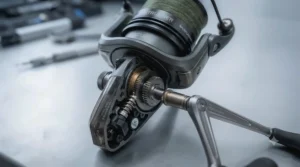
A baitrunner reel is a fixed-spool fishing reel fitted with a secondary freespool mechanism, usually a lever near the back of the body, that lets a fish take line under light, pre-set tension the instant it picks up a bait — without the reel’s main drag engaging until you flick the lever off and strike.
For anyone searching specifically for a free spool pike reel review, the appeal for pike fishing is straightforward: pike often mouth a deadbait for several seconds before properly taking it, and if there’s any resistance during that window, a wary pike can drop the bait entirely. The freespool function removes that resistance almost completely, letting the pike swim off with the bait held gently between light “clicks” you can hear and feel through the rod, at which point you strike into a properly taken fish rather than guessing. It’s a deceptively simple idea that transformed deadbaiting success rates when it became mainstream, and it remains the standard setup recommended by the Pike Anglers’ Club of Great Britain for responsible, effective bait presentation to the Northern pike — a species that, contrary to its fearsome reputation, needs careful, considered handling both in the take and the fight.
Baitrunner vs Standard Reel for Pike
This is one of the most common points of confusion for anglers moving into pike fishing from general coarse fishing, so it’s worth tackling head-on rather than assuming everyone already knows the answer.
| Feature | Baitrunner Reel | Standard Fixed-Spool Reel |
|---|---|---|
| Freespool mode | Yes, adjustable tension | No — must open bail manually |
| Deadbait presentation | Natural, low-resistance take | Risk of resistance spooking pike |
| Strike timing | More forgiving, less rushed | Requires faster reaction |
| Best use case | Legered/float deadbaits, live bait | Active lure and spinning work |
| Typical extra cost vs standard | £15-£40 more on average | — |
| Table analysis |
|---|
Working through the table above, the debate around baitrunner vs standard reel pike setups really comes down to method rather than brand loyalty. A standard reel with the bail arm manually flicked open can technically achieve a similar effect, but it’s fiddly, slower to reset between casts, and offers none of the adjustable tension control that a proper freespool lever gives you. For active lure fishing and spinning, where you’re retrieving constantly and takes happen on a tight line anyway, a standard front-drag reel is often lighter and perfectly adequate. For legered or float-fished deadbaits and live bait — the methods where most specimen pike are actually caught in the UK — a dedicated baitrunner mechanism isn’t a luxury, it’s the tool doing the job it was specifically designed for.
How to Choose the Best Baitrunner Reel for Pike
Picking the right reel doesn’t need to be overwhelming once you break it down into the factors that genuinely affect performance on the bank, rather than the ones that just look impressive on a spec sheet.
- Match reel size to line and bait weight. A 4000-5000 size suits most UK stillwater and river pike work with 12-15lb line; step up to 6000-8000 for big reservoirs and heavier deadbaits.
- Prioritise freespool smoothness over bearing count. A reel with fewer bearings but a buttery freespool engagement will outperform a bearing-heavy reel with a stiff, jerky lever every time a pike is testing the bait.
- Check drag position against your fighting style. Rear drag suits anglers who like mid-fight micro-adjustments; front drag suits those who prefer a simpler, more traditional setup.
- Weigh the reel against your rod, not in isolation. A reel that feels fine on the shop counter can feel horribly front-heavy or back-heavy once mounted on your actual 12ft deadbait rod.
- Factor in spare spool availability. Reels that ship with — or offer cheap — spare spools let you switch line breaking strains without buying a second reel outright.
- Consider your fishing style: static or roving. Static deadbait sessions can tolerate a heavier, big-pit reel; roving, mobile piking rewards a genuinely lightweight option.
- Don’t ignore aftercare and part availability. Shimano and Daiwa’s wide UK dealer networks mean spares and servicing are far easier to source than for some budget alternative brands.
If you’re a weekend angler fishing two or three stillwater sessions a month, a mid-range option like the Shimano DL or Daiwa Emcast BR will comfortably outlast your fishing frequency. If you’re a dedicated river pike specialist covering several miles of bank in a day, prioritise weight and portability over sheer bearing count — the Black Widow BR LT earns its keep here.
Shimano Baitrunner Pike: What Sets It Apart
Given how dominant the brand is in this category, it’s worth addressing the shimano baitrunner pike question directly, because “just buy a Shimano” isn’t actually helpful advice on its own — there are meaningful differences within the range itself.
What genuinely sets Shimano’s Baitrunner lineage apart isn’t any single headline feature, but the consistency of the underlying mechanism across price points. The same fundamental rear-lever freespool design that made the original 1987 Aero 3500 popular is refined, rather than reinvented, all the way up to the CI4+ flagship. That consistency matters practically: an angler who learns to read the clutch tension on a budget ST RB won’t need to relearn anything moving up to a DL or XTB later. Reviewers across decades of forum discussion — and yes, some of these reels genuinely date back thirty-plus years and are still fishing hard — consistently note that Shimano’s core Baitrunner clutch has “never let them down,” a phrase that turns up remarkably often independent of which specific model is being discussed. What most buyers overlook is that this reliability track record, more than any individual spec, is what justifies Shimano’s continued price premium over newer competitors.
Daiwa Baitrunner Review: How It Compares
For a proper daiwa baitrunner review, it’s worth noting upfront that Daiwa doesn’t technically call these “Baitrunner” reels at all — that branding belongs to Shimano — but the Emcast, Windcast and Black Widow BR ranges perform the identical freespool function under different names, and plenty of anglers use the terms interchangeably in practice.
Where Daiwa’s approach differs meaningfully is the front-drag layout on most of its freespool reels, paired with features like AirBail and the Bite ‘n’ Run lever that Shimano doesn’t replicate in quite the same form. On paper this means anglers who already prefer front-drag reels for other species can stay in familiar territory when they move into pike fishing rather than learning a new drag position from scratch. The trade-off, based on aggregated feedback across the Emcast and Black Widow ranges, is slightly more variation in build consistency between individual units — several reviewers report excellent smoothness while a smaller group note line roller and bail arm niggles that Shimano’s more mature manufacturing process seems to avoid more consistently. Neither brand is objectively “better” across the board; the honest answer is that Daiwa suits anglers who value front-drag familiarity and generous standard packaging (spare spools, dual handles), while Shimano suits those prioritising long-term mechanical consistency.
Pike Fishing Baitrunner Setup: A Practical Usage Guide
Buying the reel is only half the job — setting it up correctly is what actually determines whether it performs when a pike hits your bait. This is the pike fishing baitrunner setup most product pages never bother explaining.
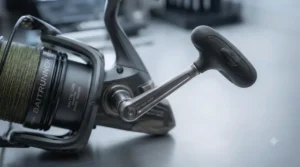
Start by loading your chosen line — typically 12-15lb monofilament or 20-30lb braid for pike deadbait reel setups — filling the spool to within roughly 2mm of the rim. Underfilling costs you casting distance; overfilling causes loops and tangles on the cast, so take the time to get this right rather than eyeballing it. Once loaded, set your main drag reasonably tight, as you’d want it for actually playing a fish, then engage the freespool lever and adjust its separate tension knob so line pays out smoothly under light finger pressure — roughly the resistance of dragging a bait gently across a table. Too loose and slack line builds up, risking tangles at the rod tip; too tight and you’re defeating the entire purpose of a baitrunner reel in the first place.
In your first thirty days with a new reel, the most common mistakes are: forgetting to back the main drag off after a session and leaving it under tension overnight (which stresses the drag washers); not testing freespool tension in the field before your first proper session; and neglecting to rinse the reel with fresh water after fishing near saltwater-influenced tidal stretches, where corrosion can set in surprisingly fast. A quick monthly maintenance habit — a drop of reel oil on the handle knob and bail roller, and an occasional wipe-down of the spool lip — will add years to any of the reels covered in this guide.
Real-World Scenarios: Matching Reels to Your Pike Fishing Style
Sometimes the clearest way to choose is to see yourself in a specific scenario rather than comparing abstract spec sheets.
The weekend stillwater angler, fishing a local day-ticket water twice a month with two static deadbait rods, doesn’t need distance casting or ultralight weight — reliability and value matter more. The Shimano ST RB or Okuma Aventa comfortably covers this brief without overspending on features that would go unused.
The mobile river specialist, walking several miles of bank chasing showing fish with a single rod, feels every extra gram by mid-afternoon. The Daiwa Black Widow BR LT’s compact weight genuinely earns its keep here, where a heavier big-pit reel would become a burden rather than an asset.
The dedicated reservoir big-pike hunter, casting large baits 80-100 yards to drop-offs and gravel bars, needs both the spool capacity and casting refinement that budget reels simply can’t deliver. The Shimano Baitrunner XTB CI4+ LC is built specifically for this kind of session, where distance genuinely translates into more takes from fish holding well off the margins.
Common Mistakes When Buying a Baitrunner Reel for Pike
The most expensive mistake anglers make isn’t buying a cheap reel — it’s buying the wrong reel for their actual fishing style. Someone who fishes almost entirely close-range stillwater swims doesn’t need a big-pit 8000-size reel weighing down their rod all session, yet it’s a remarkably common upsell.
A second frequent error is ignoring line capacity requirements until it’s too late — turning up on a big reservoir with a 4000-size reel loaded with barely 100 metres of line, only to lose a good fish to a snag well beyond casting-clip range because there simply wasn’t enough backing on the spool. Related to this, plenty of anglers underestimate how much freespool tension matters and leave it far too loose out of the box, leading to tangled loops of slack line building up at the rod tip on a windy bank — a problem entirely preventable with thirty seconds of tension adjustment before the first cast. Finally, buying based purely on brand name rather than matching size and drag layout to your actual fishing method means some anglers end up with a technically excellent reel that’s simply the wrong tool for how they fish.
Long-Term Cost & Maintenance
Total cost of ownership rarely factors into an initial purchase decision, but it should, particularly for a reel that’s going to spend entire winters exposed to freezing rain, riverbank mud and the occasional accidental dunk.
Budget reels in the £45-£65 bracket typically need a service or bearing replacement within two to four seasons of regular use, at a cost of roughly £15-£25 per service if done professionally, or free if you’re comfortable stripping a reel down yourself with basic tools and reel grease. Mid-range reels around £70-£110 generally stretch to four to six seasons before needing attention, largely down to better-sealed drag systems and higher-grade bearings that resist water ingress more effectively. Premium reels like the CI4+ range are built with genuine longevity in mind — several forum-documented examples of older Shimano Baitrunners still fishing hard after fifteen-plus years suggest a well-maintained premium reel can realistically outlast several cheaper reels bought and worn out in succession, which meaningfully changes the actual cost-per-year calculation in the premium reel’s favour for anglers who fish frequently.
The practical takeaway: if you fish more than perhaps twenty sessions a year, the total cost of ownership math increasingly favours spending more upfront. If pike fishing is an occasional pleasure rather than a weekly habit, a well-maintained budget reel will comfortably see you through many happy seasons without ever needing that premium price tag.
Features That Actually Matter (And Those That Don’t)
Marketing copy loves to pile on features, but not all of them translate into a meaningfully better fishing experience, and it’s worth separating genuine value from padding before you spend your money.
What actually matters: freespool smoothness and adjustability, drag consistency under sustained pressure, spool capacity matched to your typical casting range, and corrosion resistance if you fish tidal or brackish stretches. These directly affect whether you land the pike that picks up your bait.
What matters less than the marketing suggests: raw bearing count beyond around six or seven (diminishing returns kick in fast), cosmetic finishes and “stealth” graphics packages, and gear ratio differences of 0.1-0.2 points that make negligible practical difference to retrieve speed for deadbaiting purposes, where you’re rarely winding at speed anyway. The spec sheet won’t tell you this, but reviewers consistently note that a reel with four well-sealed, quality bearings and a smooth clutch will outperform a rival with double the bearing count but a stiffer freespool engagement, every single time a pike is actually testing the bait.
Safety, Regulations & Pike Welfare Guide
Before any of this reel-buying advice becomes relevant, there’s a legal and ethical foundation every UK pike angler needs to have in place. Anyone aged 13 or over fishing for pike or other freshwater species in England and Wales with a rod and line must hold a valid rod fishing licence, issued by the Environment Agency, alongside whatever permit the specific fishery or club requires — the licence and the permit are two separate things, and both are checked regularly by bailiffs.
Beyond legality, pike welfare deserves genuine attention, not lip service. Always fish with a large, wide-mesh landing net, a proper padded unhooking mat, long forceps and wire cutters within easy reach, and never leave baited rods unattended even briefly — pike can take a bait and be deep-hooked within seconds. A wire trace of at least 15lb breaking strain is both a welfare essential and, on most club waters, a strict rule, since pike’s teeth will slice through standard mono line, potentially leaving a fish trailing hooks and line if it bites through. Details on permits and access rules for specific waterways, including canal and river stretches managed by Canal & River Trust, are worth checking before you set out, since local byelaws around pike season dates and bait restrictions vary meaningfully between fisheries.
Problem → Solution: Fixing Common Baitrunner Reel Issues
Even a well-chosen reel occasionally throws up problems, so here are honest, practical fixes for the issues anglers actually report.
Problem: freespool feels stiff or inconsistent. This is almost always down to dirt or old grease build-up around the lever mechanism rather than a genuine fault — a strip-down clean and fresh reel grease usually resolves it completely.
Problem: line twist after repeated casts. Check your bail roller is turning freely rather than seized, and consider fitting a small barrel swivel above your trace if the issue persists, since a stuck roller is the single most common hidden cause.
Problem: drag “sticks” then suddenly releases under load. This jerky “stick-slip” behaviour usually means the drag washers need cleaning and reapplying with proper drag grease rather than standard oil, which can actually make sticky drags worse over time.
Problem: reel feels gritty after a session near saltwater-influenced water. Rinse thoroughly with fresh water immediately after fishing, never leave it in a damp bag overnight, and consider a dedicated corrosion-resistant model like the CI4+ range if you fish these venues regularly.
Problem: handle wobble develops over time. Check the handle retaining screw is fully tightened first, as this simple fix resolves the majority of reported wobble complaints without needing any parts replacement at all.
Frequently Asked Questions
❓ What size baitrunner reel is best for pike?
❓ Do you need a special reel for pike fishing?
❓ Is Shimano or Daiwa better for pike baitrunner reels?
❓ How much line do you need on a pike baitrunner reel?
❓ Can you use a cheap baitrunner reel for pike fishing?
Conclusion
There isn’t a single “best” baitrunner reel for pike that suits every angler equally, and honestly, anyone claiming otherwise is oversimplifying a decision that genuinely depends on how, where and how often you fish. What matters is matching the reel’s size, drag layout and weight to your actual fishing style — the mobile river angler and the static reservoir specialist have almost opposite priorities, even though they’re both technically shopping in the same product category.
If you want a single dependable recommendation to start from, the Shimano Baitrunner DL earns its reputation as the genuine all-rounder of this list: capable enough for serious pike work, forgiving enough for someone still learning the ropes, and priced sensibly enough not to sting if a session goes badly and it ends up dunked in the margin. Budget buyers shouldn’t feel short-changed by the Okuma Aventa or Korum KXi either — both deliver the core mechanism that actually catches fish, without the premium branding markup. Whichever you choose, remember that the reel is only ever half the equation; proper trace setup, careful bait presentation and patient, welfare-conscious handling will do more for your catch rate than any single piece of tackle ever could.
✨ Don’t Miss These Exclusive Deals!
🔍 Take your pike fishing setup to the next level with the reels covered in this guide. Click through to check current pricing and availability on any that caught your eye — the right baitrunner could be the difference between a dropped run and the pike of your season!
Recommended for You
- Pike Deadbait Rod Under £100: 7 Best Budget Picks 2026
- Best Deadbait Rod for Pike 2026: 7 Top UK Picks Reviewed
- Pike Lure Rod 7ft vs 8ft: Best UK Picks for 2026
Disclaimer: This article contains affiliate links. As an Amazon Associate, I earn from qualifying purchases. If you purchase products through these links, we may earn a small commission at no additional cost to you.
✨ Found this helpful? Share it with your friends! 💬🤗
