
In This Article
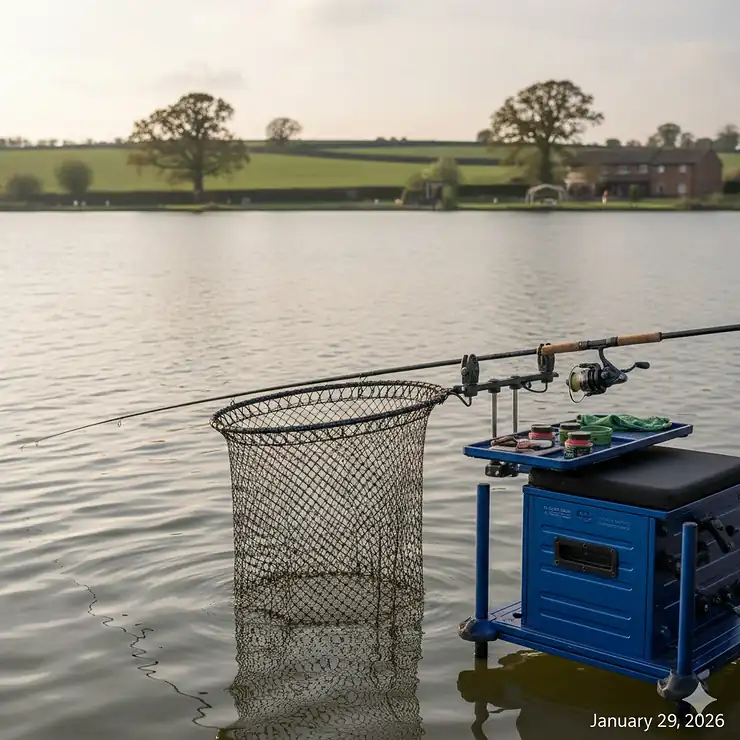
Finding the right keepnets UK anglers can depend on isn’t just about catching fish—it’s about treating them with respect whilst maximising your match fishing success. Over the past decade, I’ve witnessed a remarkable evolution in keepnet design, from basic mesh tubes to sophisticated fish-holding systems that prioritise welfare alongside functionality.
Modern keepnets UK fisheries approve must comply with increasingly strict welfare standards, particularly on commercial waters where weight limits per net can dramatically influence your setup. Whether you’re competing in your first match on a local canal or targeting specimen carp at a renowned commercial fishery, selecting appropriate keepnets can mean the difference between disqualification and podium finishes. Recent Environment Agency regulationsemphasise returning fish unharmed, making quality keepnets more essential than ever.
Coarse fishing, the primary domain of keepnet use, has evolved significantly over recent decades. What once represented purely competitive angling has transformed into a welfare-conscious sport where fish care takes precedence over competition results.
The British coarse fishing scene has embraced catch-and-release ethics, yet match anglers still require reliable temporary fish storage. Today’s keepnets combine ultra-soft meshes, weighted rings for stability, and intelligent design features that reduce stress on your catch whilst keeping them safe until weigh-in. Understanding proper keepnet selection criteria ensures you’re investing in equipment that serves both your competitive ambitions and conservation responsibilities.
Quick Comparison Table
| Product | Length | Mesh Type | Price (£) | Best For | Rating |
|---|---|---|---|---|---|
| Preston Innovations Space Saver | 2m-3m | Fine carp mesh | £37-£45 | Commercial limits | ⭐⭐⭐⭐⭐ |
| Matrix 2.5m Commercial Pack (×3) | 2.5m | Fish-safe carp | £90-£100 | Budget-conscious | ⭐⭐⭐⭐½ |
| NGT 3m Deluxe Square | 3m | Ultra-fine micro | £23-£26 | Beginners | ⭐⭐⭐⭐ |
| Daiwa N’Zon Soft Mesh | 2.5m-3m | Soft micromesh | £45-£60 | Natural venues | ⭐⭐⭐⭐⭐ |
| Preston Quick Dry 3.5m | 2.5m-3.5m | Quick-dry material | £54-£60 | All-round use | ⭐⭐⭐⭐⭐ |
| Guru 3M Carp Match | 3m | Super-strong fine | £50-£65 | Specimen fishing | ⭐⭐⭐⭐½ |
| Dinsmores Commercial 3m | 3m | Hex mesh mono | £35-£42 | Rivers & canals | ⭐⭐⭐⭐ |
💬 Just one click – help others make better buying decisions too! 😊
✨ Don’t Miss These Exclusive Deals!
🔍 Upgrade your match fishing setup with these carefully selected keepnets. Click on any highlighted product to check current pricing and availability on Amazon.co.uk. These nets will help you retain your catch safely whilst complying with fishery regulations!
Top 7 Keepnets UK: Expert Analysis
1. Preston Innovations Space Saver Keepnet – Best for Commercial Fisheries
The Preston Innovations Space Saver Keepnet represents the pinnacle of modern keepnet engineering, specifically designed for venues with strict net quantity limits. Its reversed top ring design is genuinely revolutionary—I’ve managed to fit five of these nets onto a single keepnet arm, something utterly impossible with conventional designs.
Key Specifications:
- Available in 2m, 2.5m, and 3m lengths
- Top ring: 45cm × 35cm (oblong shape)
- FIX Angle locking system for precise positioning
Priced between £37.47-£44.99 depending on length and retailer, this keepnet delivers exceptional value for match anglers. UK buyers consistently praise its space-saving capabilities, with one reviewer noting they could comfortably use four nets on a compact peg without tangling—essential when you’re separating carp from silvers in a fast-paced match.
✅ Pros:
- Unique reversed ring saves tremendous space
- Robust carp-style mesh withstands heavy weights
- FIX Angle head allows perfect positioning
❌ Cons:
- Slightly higher price than basic alternatives
- Shorter 2m version may feel restrictive on deeper venues
2. Matrix 2.5m Commercial Keepnet Pack – Best Value Triple Pack
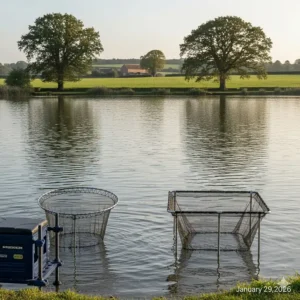
For anglers requiring multiple nets without breaking the bank, the Matrix 2.5m Commercial Keepnet Pack offers unbeatable value. At under £100 for three complete nets, this package from Fox’s Matrix brand represents shrewd economics for serious match competitors.
Key Specifications:
- Set of three 2.5m keepnets
- Dimensions: 45cm × 35cm top ring
- 100% polyester durable fish-safe mesh
UK customers frequently highlight the quality-to-price ratio, with these nets performing admirably despite their budget-friendly £90-£100 price tag for the triple pack. The compact 2.5m length proves ideal for commercial fisheries implementing 50-60lb weight limits per net, whilst the heavy-duty plastic rings ensure longevity even with regular use.
✅ Pros:
- Exceptional value with three nets included
- Durable construction withstands frequent matches
- Perfect length for commercial weight limits
❌ Cons:
- May require additional nets for prolific venues
- Oblong shape takes adjustment if you’re accustomed to round nets
3. NGT 3m Deluxe Square Keepnet – Best Budget Option
The NGT 3m Deluxe Square Keepnet has earned cult status amongst budget-conscious anglers who refuse to compromise on fish welfare. Despite its modest £23.95-£26.95 price point, this net features ultra-soft black micromesh that rivals premium alternatives in gentleness.
Key Specifications:
- Full 3m length for deeper venues
- Ultra-fine black mesh (reduces fish stress)
- Square design with weighted bottom ring
NGT has built a reputation for delivering practical, affordable fishing tackle, and this keepnet exemplifies their philosophy perfectly. British anglers appreciate the dark mesh finish, which research suggests keeps fish calmer during retention. At this price, it’s an absolute steal for beginners or anglers expanding their net collection.
✅ Pros:
- Incredibly affordable entry point
- Ultra-soft mesh protects fish mucus layer
- Dark colour reduces fish stress levels
❌ Cons:
- Less durable than premium options
- May require replacement sooner with heavy use
4. Daiwa N’Zon Soft Mesh Keepnet – Best for Natural Venues
Daiwa’s engineering excellence shines through in the Daiwa N’Zon Soft Mesh Keepnet, which I consider the gold standard for river and canal fishing. The wider mesh spacing facilitates water flow, absolutely crucial when fishing running water where oxygen levels and current pressure become critical factors.
Key Specifications:
- Available in 2.5m and 3m versions
- Spacious body rings accommodate large fish
- Daiwa Angle Lock system for secure positioning
Priced between £45-£60 depending on length, this keepnet justifies its premium through superior construction and thoughtful design. The soft micromesh protects delicate species like bream and roach, whilst the angle lock mechanism—a Daiwa innovation—allows precise positioning even on awkward bankside terrain. UK river anglers particularly value the free-flowing mesh design.
✅ Pros:
- Wider mesh ideal for flowing water
- Angle lock provides rock-solid stability
- Spacious design suits larger specimens
❌ Cons:
- Higher price point than budget alternatives
- Wider mesh less suitable for tiny silverfish
5. Preston Innovations Quick Dry Keepnet – Best All-Rounder
The Preston Innovations Quick Dry Keepnet solves one of match fishing’s most annoying problems: soggy, smelly nets that take ages to dry between sessions. Manufactured from innovative quick-drying material, these nets can be packed away within hours rather than days—a godsend for anglers fishing multiple venues weekly.
Key Specifications:
- Available in 2.5m, 3m, and 3.5m lengths
- Quick-dry synthetic mesh material
- Pull-through rings with rubber protection blocks
Ranging from £54-£60 across the size spectrum, these represent a worthwhile investment for regular match anglers. The FIX Angle system appears across Preston’s range, providing consistent reliability. British buyers love the convenience factor—one reviewer mentioned fishing Saturday and Sunday on different venues without the nets fully drying between sessions, something impossible with traditional materials.
✅ Pros:
- Revolutionary quick-dry material saves time
- Available in multiple lengths for versatility
- Rubber protection blocks extend lifespan
❌ Cons:
- Premium pricing reflects advanced materials
- Some traditionalists prefer conventional mesh feel
6. Guru 3M Carp Match Keepnet – Best for Specimen Carp
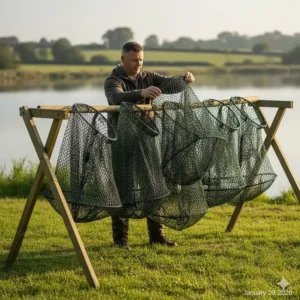
When targeting serious weight in carp-dominated venues, the Guru 3M Carp Match Keepnet delivers uncompromising strength. Guru’s reputation for specimen tackle translates perfectly into this robustly constructed net, capable of safely holding genuinely impressive catches without compromising fish welfare.
Key Specifications:
- Full 3m length with weighted rings
- Super-strong yet fine mesh construction
- Dark finish to minimise fish stress
Priced between £50-£65, this keepnet sits firmly in premium territory but justifies the investment through exceptional build quality. The weighted rings ensure the net sinks properly—critical when dealing with large carp that can easily tangle in floating nets. The oversized top ring (typically around 50cm × 40cm) facilitates easy fish transfer from landing net to keepnet, reducing handling time and stress. According to Canal & River Trust guidelines proper keepnet staking ensures fish receive adequate oxygen.
✅ Pros:
- Exceptionally strong construction for heavy weights
- Weighted rings provide excellent stability
- Large top ring simplifies fish transfer
❌ Cons:
- Overkill for venues with modest fish sizes
- Higher price reflects specialist design
7. Dinsmores Commercial Rectangular Keepnet – Best for Rivers
The Dinsmores Commercial Rectangular Keepnet bridges the gap between traditional river nets and modern commercial designs. Its hex mesh mono construction offers durability whilst maintaining fish-friendly softness, making it remarkably versatile across different fishing scenarios.
Key Specifications:
- 3m length with rectangular design
- Navy blue with yellow striped hex mesh
- Brass threaded spreader block (universal fit)
Available for £35-£42 on Amazon.co.uk, Dinsmores provides solid mid-range value. The multi-angle tilt mechanism allows positioning adjustments once the net is in place—incredibly useful when fishing awkward swims or dealing with changing water levels. The 55cm × 45cm top ring offers generous entry space, whilst the 50cm × 40cm body rings throughout maintain fish comfort.
✅ Pros:
- Versatile design suits multiple venue types
- Hex mesh balances durability and fish safety
- Universal spreader block fits all bank sticks
❌ Cons:
- Rectangular shape may feel unfamiliar initially
- Not ideal for ultra-compact commercial pegs
Understanding Keepnet Regulations in the UK
Navigating keepnet regulations might seem daunting, but understanding the rules protects both your fishing privileges and the fish we cherish. The Environment Agency’s >national rod fishing byelaws establish the legal framework, whilst individual fisheries often impose additional restrictions.
National Byelaw Requirements
Under current Environment Agency regulations, anglers using keepnets must return all fish alive to the same water before completing their fishing session. Leaving fish in keepnets after finishing is illegal and carries substantial fines. This regulation recognises that even modern keepnets create stress, particularly in warm conditions or when overfilled.
The close season (15 March to 15 June inclusive) prohibits coarse fishing on rivers and streams across England, giving fish populations crucial spawning time. During this period, keepnet use naturally ceases on flowing waters, though stillwater venues remain accessible. Some fisheries classify certain sections as Sites of Special Scientific Interest, where additional restrictions apply year-round.
Fishery-Specific Rules
Commercial fisheries frequently implement weight limits per keepnet, typically ranging from 50-60lb, though some strict venues mandate as low as 40lb per net. These limits necessitate multiple nets during prolific sessions—hence the popularity of keepnet packs amongst match anglers. Always check individual fishery rules before fishing, as regulations vary considerably.
Many prestigious venues now require fishery-provided keepnets only, prohibiting personal nets to prevent disease transmission between waters. This policy, whilst potentially inconvenient, demonstrates serious commitment to fish health management and biosecurity.
Fish Welfare Obligations
Beyond legal requirements, ethical anglers follow best practices established by organisations like the Canal & River Trust Never retain fish longer than necessary—six hours represents the generally accepted maximum, though shorter is always better. Ensure your keepnet is properly staked out with adequate depth and water flow to provide oxygen.
Avoid fishing with keepnets when water temperatures exceed 20°C, as warm water holds less dissolved oxygen and fish already face physiological stress. If you must fish in warm conditions, return fish immediately rather than retaining them.
Choosing the Right Keepnet for Your Fishing Style
Match Fishing on Commercial Fisheries
Commercial venues demand specific keepnet characteristics. Opt for shorter lengths (2m-2.5m) when facing weight limits, as these compact designs allow multiple nets without tangling. The oblong top ring design, pioneered by Preston and adopted by others, maximises space efficiency on crowded keepnet bars.
Fine carp mesh is essential for commercials, providing the strength to handle heavy weights whilst protecting fish. Dark colours help keep fish calm in the confined space. Consider purchasing multiple nets immediately—catching 150lb of carp across three nets is far kinder than cramming everything into one struggling net.
River and Canal Fishing
Flowing water requires different considerations. Choose longer nets (3m-4m) to account for varying depths and water levels. Crucially, select nets with wider mesh spacing—this reduces water resistance and ensures adequate flow through the net, preventing fish stress from poor oxygenation.
Weighted bottom rings prove essential on rivers, preventing the net from drifting or collapsing in current. The traditional round design often works better than rectangular on rivers, as it offers less resistance to water flow.
Natural Stillwater Fishing
Lakes and ponds fall somewhere between commercials and rivers. A versatile 3m net with medium mesh suits most situations. If targeting mixed species—carp alongside silvers—invest in separate nets rather than mixing them, as carp can crush smaller fish in shared accommodation.
For specimen carp fishing on naturals, prioritise strength and size. A robust 3m carp net with reinforced construction handles those magical 20lb+ fish without compromising their welfare.
Essential Keepnet Mesh Size Considerations
Mesh size fundamentally affects fish welfare and net performance. Ultra-fine micromesh, typically measuring 2-3mm, provides maximum protection for fish mucus layers and scales. This density prevents hooks and small rigs from snagging, though it dries slowly and costs more.
Standard carp mesh, around 4-6mm, balances protection with practicality. It’s robust enough for heavy use, dries reasonably quickly, and suits most commercial fishing scenarios. Most modern keepnets UK anglers purchase feature this specification.
Wider river mesh, 8-12mm or more, facilitates water flow in running water. Whilst less protective than finer options, it’s essential for maintaining fish health in currents where flow-through oxygenation becomes critical. Never use fine mesh on fast-flowing rivers—it creates excessive drag and can collapse.
Consider the hook-resistant properties of modern meshes. Some manufacturers incorporate special coatings or construction techniques that prevent barbless hooks from catching, reducing rig damage and fish handling time. Environment Agency research into keepnet retention effects has demonstrated that properly designed modern keepnets, when used correctly, minimise physiological stress on confined fish.
Large Keepnets vs Compact Designs
The debate between large keepnets and compact alternatives centres on your specific fishing situations. Large keepnets, typically 3m or longer, offer undeniable advantages for deeper venues and provide more swimming space for retained fish. They’re psychologically reassuring when targeting big weights—there’s comfort knowing your net won’t overflow.
However, compact keepnets (2m-2.5m) have revolutionised match fishing on commercials with weight limits. Their shorter length reduces bulk, simplifies handling during weigh-in, and allows multiple nets without the peg resembling a fishing tackle shop explosion. Modern compact designs compensate for reduced length with wider body rings, maintaining fish comfort.
I recommend owning both types. Use large keepnets for natural venues, rivers, and any situation prioritising single-net fishing. Deploy compact nets for commercials with limits, tight pegs, or when you’re separating species.
Keepnet Pegging Systems: Securing Your Catch
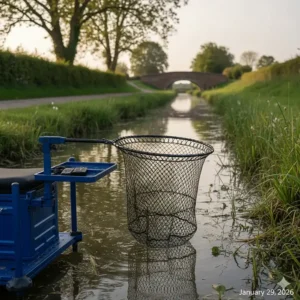
Proper pegging transforms a good keepnet into a reliable fish-holding system. The traditional bankstick method remains most popular—a threaded metal rod driven into the bankside that screws into your keepnet’s spreader block. Choose banksticks long enough to penetrate firm ground, typically 30-45cm for most situations.
Modern seatbox systems offer integrated keepnet arms, particularly favoured by match anglers. Preston’s OffBox system exemplifies this approach, with quick-release arms allowing rapid removal for weigh-in. These arms adjust through multiple angles, positioning nets precisely even on awkward pegs.
When securing your keepnet, ensure it extends fully into the water without touching bottom—fish require space to move naturally. On stillwaters, position the net parallel to the bank in the deeper water. Rivers demand angled placement to reduce current resistance whilst maintaining water flow through the mesh.
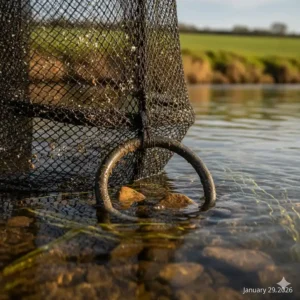
Weight your net properly. Many modern keepnets include weighted bottom rings, but additional lead weights can improve stability in flowing water or when facing heavy catches. Never let your keepnet float or partially collapse—this severely compromises fish welfare.
Carp Keepnets: Specialist Considerations
Carp keepnets represent the heavy-duty end of the spectrum, engineered to safely retain substantial weights without failure. Look for reinforced construction, particularly around the top ring and along seams where stress concentrates during lifting.
Super-soft carp sacking material, now standard on quality carp nets, protects the fish’s mucus layer—their primary defence against infection and parasites. This material feels almost velvety, dramatically reducing scale damage compared to older nylon meshes.
Oversized top rings, typically 50cm × 40cm or larger, facilitate easy fish transfer from your landing net. When you’ve just battled a spirited 15lb mirror carp, the last thing you want is wrestling it through an undersized opening that stresses both you and the fish.
Consider nets with protective fabric around bottom rings—carp love exploring their temporary home, and unprotected metal rings can damage their barbels and fins. Quality manufacturers include these details as standard.
Fish Care Keepnets: Protecting Your Catch
Modern fish care keepnets incorporate numerous welfare-focused features. Dark mesh colours, particularly black and dark green, reduce visual stress—fish remain calmer when they can’t clearly see their surroundings or perceive anglers moving on the bank.
Anti-splash tops prevent fish leaping from the net, avoiding potential injury from landing on banks or tackle. This feature also maintains water within the mesh, keeping fish properly submerged even when the keepnet sits in shallower margins.
Temperature management proves crucial during summer fishing. Never use keepnets when water temperatures exceed 20°C—at these levels, oxygen saturation drops dangerously and fish metabolisms increase stress dramatically. If you must fish in warm conditions, implement immediate catch-and-release rather than retention.
Monitor your catch regularly. Check every 30-60 minutes that fish appear active and healthy. If any fish shows signs of distress—floating, struggling to right themselves, or appearing lethargic—release them immediately, even mid-match. No competition result justifies harming fish.
Avoid overfilling. The 50lb guideline exists for good reason—heavier weights crush fish at the net’s bottom during lifting. When approaching this limit, introduce a second net rather than continuing to pack fish into one struggling container. Quality over quantity applies to keepnet loading.
Comparison: Keepnets UK vs Traditional Alternatives
| Feature | Modern Keepnets | Traditional Alternatives | Winner |
|---|---|---|---|
| Mesh Material | Ultra-soft micromesh | Basic nylon | Modern |
| Design Innovation | Space-saving, weighted | Basic round/square | Modern |
| Fish Welfare | Dark colours, soft edges | Standard mesh | Modern |
| Durability | Reinforced construction | Variable quality | Modern |
| Drying Time | Quick-dry materials available | Slow drying | Modern |
| Price Range | £23-£65 | £15-£40 | Traditional |
| Availability | Wide UK stockists | Limited selection | Modern |
Price Range & Value Analysis
Budget keepnets (£20-£35) suit beginners and occasional anglers. Brands like NGT and basic Matrix offerings deliver acceptable fish care and functionality without premium features. Expect shorter lifespans and fewer innovative design elements, but these represent sensible starting points.
Mid-range options (£35-£50) occupy the sweet spot for regular match anglers. Dinsmores, standard Matrix nets, and entry-level Preston models provide excellent balance between cost and performance. These nets incorporate modern fish-care features whilst remaining affordable enough to purchase multiple units.
Premium keepnets (£50-£65+) from Preston, Guru, and Daiwa’s top-tier ranges justify their prices through superior materials, innovative features, and exceptional durability. Match anglers fishing 20-30 times annually find these nets pay for themselves through longevity and reliability.
Consider package deals—the Matrix triple pack exemplifies smart value, providing three quality nets for less than buying individually. Many retailers offer bundle discounts when purchasing multiple nets or complete match setups.
✨ Upgrade Your Match Kit Today!
🎣 These premium keepnets combine cutting-edge design with fish welfare focus. Click any highlighted product to explore current UK pricing and customer reviews. Transform your match results with properly designed retention systems!
Frequently Asked Questions
❓ What length keepnet should I use for UK commercial fisheries?
❓ Are keepnets legal in the UK for match fishing?
❓ How do I prevent fish stress in keepnets during matches?
❓ What mesh size is best for carp keepnets in the UK?
❓ Can I use the same keepnet for rivers and commercial fisheries?
Conclusion: Selecting Your Perfect Keepnet
Choosing keepnets UK anglers truly need depends on matching design features to your specific fishing scenarios. Commercial specialists should prioritise space-saving designs with fine mesh and multiple net capability. River anglers require wider mesh, weighted construction, and longer lengths for varying depths. Natural venue enthusiasts benefit from versatile 3m all-rounders that handle diverse situations.
Fish welfare must drive every keepnet decision. Modern regulations and ethical practices demand nets that minimise stress through soft meshes, dark colours, and proper sizing. The £20-£30 price difference between basic and premium options pales against the satisfaction of treating fish respectfully whilst maintaining match competitiveness.
Start with quality mid-range options like the Matrix Commercial Pack or Preston Space Saver range. These provide reliable performance whilst you develop preferences. As experience grows, invest in specialist nets—a quick-dry model for frequent matches, a heavy-duty carp net for specimen sessions, or a river-specific design for flowing water challenges.
Remember that even the finest keepnets UK manufacturers produce cannot compensate for poor practice. Monitor fish regularly, respect weight limits, return catches promptly, and avoid fishing in excessive heat. Your keepnet is a temporary holding system, not permanent accommodation—treat it accordingly and enjoy a lifetime of responsible, successful angling.
Recommended for You
- 7 Best Seatbox Under £150 UK 2026
- 7 Best Fishing Seatbox UK Options for 2026
- 7 Best Sweetcorn for Fishing UK: Expert Reviews 2026
Disclaimer: This article contains affiliate links. If you purchase products through these links, we may earn a small commission at no additional cost to you. Prices shown are approximate and may vary.
✨ Found this helpful? Share it with your mates! 💬🤗
