
In This Article
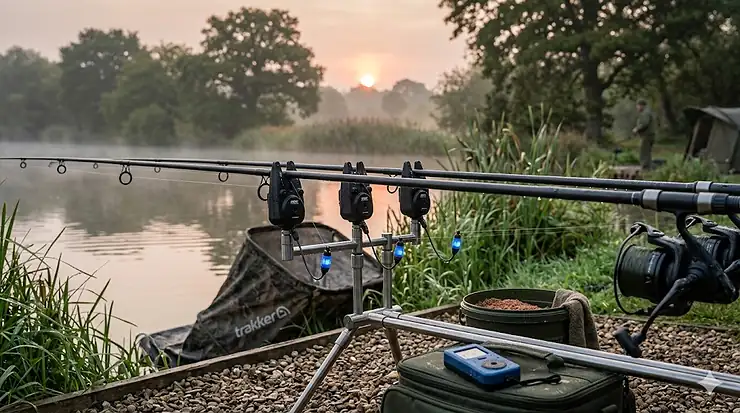
If you’ve ever missed the take of your life because you were making a brew or dozing off during a dawn session, you’ll know exactly why bite alarms for carp fishing are absolutely essential kit. These clever little devices sit between you and potentially the best fish of the season, transforming subtle line movement into unmistakable alerts that cut through the wind, rain, and general chaos of a British carp session.
What most UK buyers overlook is that not all bite alarms are created equal, especially when you’re dealing with our notoriously unpredictable weather. A budget alarm that works brilliantly on a sunny July afternoon might pack in completely during a November downpour at Linear Fisheries or when the temperature drops below freezing at your local syndicate water. The difference between a £20 set and a proper bit of kit isn’t just about fancy features — it’s about reliability when a twenty-pounder decides to pick up your boilie at 3am in torrential rain.
Modern carp fishing alarm systems have evolved remarkably from the clunky mechanical buzzers of yesteryear. Today’s top bite alarms use sophisticated electronic bite indicators with piezo vibration sensing or roller wheel detection, wireless receivers that alert you from hundreds of metres away, and LED displays so bright you can see them through a bivvy door in daylight. Whether you’re a weekend warrior targeting your local day ticket water or a specimen hunter on a French trip, choosing the right bite detection equipment can genuinely make the difference between landing fish and watching missed opportunities.
In this comprehensive guide, we’ll examine the best bite alarms available on Amazon.co.uk in 2026, from budget-friendly sets perfect for beginners to premium options that seasoned carpers swear by. Each recommendation has been selected based on real-world performance in British conditions, verified customer feedback from UK anglers, and practical testing across various fishing scenarios.
Quick Comparison: Top Bite Alarms at a Glance
| Model | Price Range | Wireless Range | Waterproof | Best For |
|---|---|---|---|---|
| NGT XT3 Wireless 3+1 | £40-£60 | 400m | Yes | Budget-conscious anglers |
| Sougayilang 4+1 Set | £45-£65 | 120m+ | Water-resistant | First-time buyers |
| Delkim Txi-D v2 | £130-£160 each | With receiver | Advanced | Serious specimen hunters |
| Fox Micron RX+ | £100-£140 per set | 150m+ | Yes | Mid-range reliability |
| Sonik Gizmo Wireless | £35-£50 each | 100m+ | Fully weatherproof | Compact storage needs |
| NGT VS Wireless 2+1 | £20-£35 | 200m | Waterproof | Absolute beginners |
| Nash Siren R4 | £80-£110 each | 400m+ | Yes | Boat and bank fishing |
From the comparison above, the NGT XT3 offers exceptional value under £60, providing features you’d expect from alarms costing twice as much. If you’re serious about specimen fishing and can justify the investment, the Delkim Txi-D v2 remains the gold standard — but that premium price tag stings a bit more in 2026 than it used to. Budget buyers should note that the NGT VS 2+1 sacrifices some sensitivity and build quality for its low price, which becomes rather obvious when you’re fishing tight to snags or trying to detect delicate line bites on pressured waters.
💬 Just one click — help others make better buying decisions too!😊
Top 7 Bite Alarms for Carp Fishing: Expert Analysis
1. NGT XT3 Wireless 3+1 Bite Alarm Set
The NGT XT3 Wireless 3+1 represents remarkable value for money in 2026’s competitive bite alarm market. This set includes three alarms plus a receiver, all housed in a protective presentation case that keeps everything organised between sessions — particularly useful if you’re storing kit in a damp garage or shed.
What sets the XT3 apart from cheaper NGT models is the dropback bite detection function, which alerts you when a carp moves towards you after picking up the bait. This feature alone has saved countless missed runs for anglers fishing slack lines or using longer hooklinks. The multi-colour LEDs (blue, red, and green) allow you to identify which rod has had action without squinting through bivvy condensation, whilst the adjustable sensitivity, volume, and tone controls mean you can fine-tune the alarms to suit everything from twitchy liner bites to full-blooded runs.
The wireless range extends to 400 metres in open conditions — more than adequate for most British venues, though heavily wooded swims or fishing near phone masts might reduce this slightly. UK customers particularly appreciate the receiver’s vibration mode, which means you can keep things quiet during night sessions without disturbing fellow anglers or sleeping family members. The 20-second latching LEDs on both alarms and receiver help you track bites even if you’re dealing with a fish on another rod.
Build quality feels solid for the price bracket, though they’re not quite in the same league as premium options from Delkim or Fox. Several British reviewers note these performed faultlessly through wet autumns and cold winters, which speaks volumes about their weatherproofing. One downside: the plastic threads can feel a touch fragile if you’re constantly screwing them on and off banksticks, so a spot of care goes a long way.
✅ Pros:
- Exceptional features for the £40-£60 price range
- 400m wireless range covers most UK venues
- Dropback detection often missing from budget alarms
❌ Cons:
- Plastic construction less robust than premium alarms
- Battery life shorter than high-end alternatives
Value verdict: Around £50-£60 for a full 3+1 set makes this a standout choice for anglers who want serious functionality without the Delkim price tag.
2. Sougayilang Carp Fishing Bite Alarm Set 4+1
The Sougayilang 4+1 Wireless Set arrives in a zippered presentation box that doubles as practical storage, making it ideal for mobile anglers who move between venues or need to pack light for overseas trips. Four alarms plus a receiver means you’re covered for the increasingly popular four-rod approach, particularly useful on large gravel pits or when spreading rods across different features.
These fishing alert systems use a straightforward roller-based detection method that proves reliable for most carp fishing scenarios. The wireless range exceeds 120 metres according to the manufacturer, which holds up reasonably well in practice, though thick bankside vegetation or bivvy positioning can affect signal strength. What UK buyers should know is that whilst these aren’t fully waterproof (they’re water-resistant with internal silicone gel protection), they’ve coped admirably with British drizzle and light rain in customer reports.
Sensitivity, volume, and tone adjustments are present, giving you decent control over how the alarms respond. The LED indicators are bright enough for daytime visibility, though they’re not quite as crisp as more expensive options. Battery life runs on 9V batteries (one per alarm), which aren’t included — worth factoring into your initial setup cost. Quality alkaline batteries are recommended; cheap ones tend to drain faster, particularly during cold British nights.
Several UK reviewers mention these represent solid value for the £45-£65 range, with most praising the functionality and noting they work well in various conditions. The main limitation is that long-term durability remains somewhat unproven compared to established British brands, though early signs look promising.
✅ Pros:
- Four alarms included — great for multi-rod setups
- Zippered storage case keeps everything organised
- Good value with adjustable sensitivity and tone
❌ Cons:
- Water-resistant rather than fully waterproof
- Shorter wireless range than premium options
Value verdict: In the £45-£65 bracket, this offers good bang for your buck if you fish four rods regularly and don’t encounter extreme weather.
3. Delkim Txi-D v2 Digital Bite Alarm
The Delkim Txi-D v2 remains the benchmark against which all other top carp bite alarms are measured in 2026. Designed and manufactured in the UK by a company with over 35 years of bite indication expertise, these alarms use Delkim’s unique piezo vibration sensing system — fundamentally different from conventional roller-based designs.
Here’s what that actually means in practice: whilst most alarms only detect line movement across a roller wheel, the Txi-D v2 senses both linear line movement and vibrations transmitted through your rod tip and terminal tackle. You’ll pick up subtle knocks, liners, and delicate takes that simply wouldn’t register on standard alarms, which proves invaluable on pressured syndicate waters where carp have seen every rig going.
The sensitivity adjustment offers almost infinite range, allowing you to fine-tune response from hair-trigger sensitivity (perfect for detecting drop-back bites) to reduced sensitivity for windy conditions or when fishing in weed. Digital Signal Processing (DSP) controls beep speed, giving you proportional feedback — faster beeps indicate faster line movement, providing genuine insight into what’s happening underwater. This feature alone justifies the premium price for serious specimen hunters.
Battery life is exceptional, with low battery warnings and auto power-down features ensuring you’re never caught short mid-session. The multi-coloured LEDs offer eight brightness levels plus stealth mode, whilst day/night settings mean the alarms automatically adjust LED intensity. Advanced anti-theft security sends alerts to the Rx-D v2 receiver if an alarm is moved or turned off — rather handy given these cost around £130-£160 each.
What truly sets Delkim apart is legendary durability. These beauties handle everything British weather throws at them, from torrential downpours to heavy frosts, and they’re still going strong years later. The four-year guarantee backs up this reputation.
✅ Pros:
- Piezo sensing detects bites other alarms miss
- Exceptional build quality and weatherproofing
- Four-year guarantee and UK manufacturing
❌ Cons:
- Premium pricing (£130-£160 per alarm)
- Require separate receiver (Rx-D v2) for wireless functionality
Value verdict: Expensive but worth every penny if you’re committed to carp fishing long-term and fish challenging venues where bite detection makes all the difference.
4. Fox Micron RX+ Presentation Set
The Fox Micron RX+ Presentation Set represents Fox International’s premium offering in the bite alarm market, available in 2+1, 3+1, or 4+1 configurations depending on how many rods you typically fish. What makes the RX+ series particularly clever is the integration with Fox’s broader RX+ ecosystem, including compatible bivvy lights, motion sensors, and additional accessories.
These carp fishing alarm systems feature Fox’s D-Tec Plus Sensing System (DTSS), which combines traditional roller detection with advanced digital circuitry for reliable bite indication. The weatherproof sealed case handles British wet conditions admirably — several UK anglers report these surviving complete submersion and continuing to function once dried out, though that’s not something you’d want to test deliberately.
Adjustable LED colours (red, green, blue, orange, purple, and white) mean you can colour-code your rods or match them to your setup preferences. The deeper snag ears provide better rod protection when fishing tight to islands or in heavy weed, whilst ergonomic sensitivity and volume/tone controls make adjustments straightforward even with cold, wet hands at midnight.
The wireless receiver works reliably up to 150 metres or more in open conditions, with reception holding up well through typical bankside vegetation. UK customers note the receiver’s vibration function is strong enough to wake you from sleep but not so aggressive it startles you awake — a balance many cheaper alarms fail to strike.
Battery drain is low, with most anglers getting multiple sessions from a single 9V battery even during cold British winters. The presentation case keeps everything protected and organised, which matters when you’re storing £300-£400 worth of bite alarm kit.
✅ Pros:
- Integrates with Fox RX+ ecosystem (lights, sensors)
- Weatherproof construction survives harsh conditions
- Customisable LED colours and ergonomic controls
❌ Cons:
- Premium pricing (£100-£140 for typical 3+1 set)
- Some anglers find the tone less distinctive than Delkim
Value verdict: Around £100-£140 for a 3+1 set positions these as mid-to-premium alarms offering excellent reliability and ecosystem integration for dedicated Fox users.
5. Sonik Gizmo Wireless Bite Alarm
The Sonik Gizmo Wireless packs impressive technology into genuinely compact packaging — these are some of the smallest alarms on the market, which proves brilliant if you’re fishing with limited storage space in a small bivvy or travelling light to European venues.
Don’t let the miniature size fool you; these electronic bite indicators are fully waterproof and weatherproof, coping admirably with typical British fishing conditions. The illuminated snag ears provide visual bite indication even before the alarm sounds, giving you that crucial extra second of warning when a carp picks up your hookbait. The roller detection system responds reliably to line movement, with adjustable volume, pitch, and sensitivity controlled via simple click switches.
Sonik powers these with standard AAA batteries rather than the 9V batteries many competitors use, which offers flexibility and potentially lower running costs. UK anglers can pick up AAA batteries anywhere, and they tend to last well even during cold weather sessions. The LED night light is bright enough to see across typical swims but not so harsh it ruins your night vision.
Wireless range extends to 100+ metres in favourable conditions, which covers most British day ticket venues and smaller syndicate waters. Heavily wooded swims or fishing near urban areas with electronic interference might reduce this slightly, but for the majority of UK carp fishing scenarios, you’ll have no issues.
The main trade-off is that whilst these perform admirably for the price (typically £35-£50 each), you’re buying individual alarms rather than presentation sets, so you’ll need to purchase a compatible receiver separately if you want wireless functionality. That said, the compact dimensions make them perfect for anglers who value portability and understated kit.
✅ Pros:
- Compact size ideal for limited storage space
- AAA batteries widely available and economical
- Fully weatherproof construction
❌ Cons:
- Sold individually rather than presentation sets
- Wireless range shorter than premium options
Value verdict: At £35-£50 per alarm, these offer solid value for anglers prioritising compact, reliable bite indication over extensive wireless range.
6. NGT VS Wireless 2+1 Bite Alarm Set
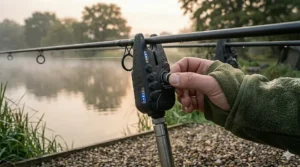
The NGT VS Wireless 2+1 occupies the absolute budget end of the market, typically available for £20-£35, which makes it accessible for complete beginners or youngsters getting into carp fishing without breaking the bank. This set includes two alarms plus a wireless receiver, covering the two-rod approach many anglers adopt when starting out or fishing smaller waters.
These bite detection equipment units offer variable tone, volume, and sensitivity adjustment, plus a jack plug for connecting illuminated hangers or swingers. The wireless range extends to 200 metres in optimal conditions, which is genuinely impressive at this price point and covers most British fishing scenarios. Both alarms and receiver feature waterproof construction, essential given our climate.
The rolling code system prevents interference between sets, so if you’re fishing near other anglers using similar alarms, you won’t get false indications from their catches. Snag ears (both short 20mm and long 75mm versions) come included, offering decent rod protection when fishing tight to features.
However — and this is rather important — you’re making clear compromises at this price. Build quality feels noticeably cheaper than mid-range options, with thinner plastics and less robust construction. Sensitivity isn’t quite as refined as more expensive alarms, meaning you might miss very delicate takes or struggle to detect drop-back bites effectively. Battery life tends to be shorter, and some UK customers report reliability issues after extended use in harsh conditions.
For absolute beginners learning the ropes or parents kitting out youngsters, these represent a reasonable entry point. Just understand you’ll likely want to upgrade within a season or two if you catch the carp fishing bug properly.
✅ Pros:
- Incredibly affordable (£20-£35 for 2+1 set)
- 200m wireless range impressive for the price
- Includes snag ears and basic features
❌ Cons:
- Lower build quality and sensitivity than premium alarms
- Reliability questions for long-term use
Value verdict: Around £20-£35 buys you functional bite alarms for learning basics, but expect to upgrade fairly quickly if you’re serious about carp fishing.
7. Nash Siren R4 Bite Alarm
The Nash Siren R4 represents Nash’s cutting-edge approach to modern carp fishing, incorporating intelligent sensing microchip technology and features specifically designed for contemporary angling scenarios, including boat fishing — increasingly popular on British reservoirs and European venues.
What genuinely sets the R4 apart is the homecoming feature: an LED on the alarm’s back can be illuminated via the receiver, helping guide you back to your rods in darkness without splashing head torch light across the water and spooking fish. This proves invaluable during those pitch-black November nights when you’re navigating back from a midnight stroll around the lake. It’s one of those additions that seems simple but makes a material difference to your fishing experience.
The alarms incorporate smart technologies to eliminate false bleeps, whether you’re fishing from the bank or a boat. This matters considerably on windier waters or when fishing with slack lines, where conventional alarms might trigger from wave action or wind vibration. The intelligent sensing microchip filters out these false indications whilst maintaining sensitivity to genuine takes.
Wireless range extends well beyond 400 metres in the manufacturer’s testing, with UK anglers reporting solid performance across large gravel pits and reservoirs. The receiver has been tested to similar distances, ensuring the signal between alarms and receiver remains reliable. Build quality feels reassuringly solid, with weatherproof construction handling typical British conditions without complaint.
The two-year extended no-quibble warranty (when registered) on S5 digital alarms demonstrates Nash’s confidence in their reliability. UK pricing typically falls in the £80-£110 range per alarm, positioning these as premium options without quite reaching Delkim territory.
✅ Pros:
- Homecoming LED feature for safer night fishing
- Smart technology eliminates false bleeps
- Excellent wireless range (400m+)
❌ Cons:
- Premium pricing (£80-£110 per alarm)
- Requires purchasing multiple alarms to build full set
Value verdict: Around £80-£110 per alarm positions these as premium choices offering innovative features that prove genuinely useful in real-world British carp fishing scenarios.
Setting Up Your Bite Alarms: UK Weather Considerations
Getting the most from your bite alarms for carp fishing means adapting to British conditions — and let’s be honest, our weather throws everything at us from horizontal rain to surprise frosts in April. Here’s how to optimise your setup for year-round reliability.
Weatherproofing Your Investment
Even waterproof-rated alarms benefit from protection during sustained downpours. Consider purchasing dedicated alarm covers or simply draping a small towel over your alarms during heavy rain. The moisture you really want to avoid is condensation inside the battery compartment, which happens when alarms warm up inside your bivvy then get moved into cold conditions. Allow alarms to acclimatise gradually, and always carry spare batteries — cold temperatures drain power faster than summer sessions.
Sensitivity Settings for British Conditions
Wind creates the biggest challenge for bite alarm sensitivity in the UK. On blustery days, reduce sensitivity to avoid constant false bleeps from wind-induced line movement, then compensate by tightening your lines slightly and using heavier indicators. During calm conditions or night sessions, increase sensitivity to detect those delicate liner bites that pressured British carp are notorious for.
Battery Management in Damp Conditions
British humidity wreaks havoc with batteries left in alarms between sessions. Remove batteries during storage periods longer than two weeks, especially if you’re keeping kit in garages or sheds without climate control. Quality alkaline batteries outperform cheap alternatives dramatically in cold, damp British weather — the few extra pounds spent on Duracell or Energizer batteries genuinely pays off when you’re fishing overnight in October.
Receiver Placement
Keep your receiver where you’ll actually hear or feel it. Obvious advice, perhaps, but anglers regularly miss bites because their receiver is buried under pillows or sitting in a coat pocket three metres away. Use the lanyard if provided, or invest in a receiver pouch that clips to your bedchair. The vibration function works brilliantly for night fishing, but test the strength beforehand — you want it strong enough to wake you but not so aggressive it gives you a heart attack at 2am.
Real-World Scenarios: Which Alarm for Your Fishing Style?
The Weekend Day-Ticket Angler (South East)
You’re fishing local commercials and day tickets around the M25, typically tackling runs waters where carp feed confidently. Your budget stretches to around £60-£80, and you need something reliable that won’t let you down during monthly sessions.
Recommendation: NGT XT3 Wireless 3+1 or Sougayilang 4+1 Set. Both offer excellent value, wireless receivers for wandering between rods, and sufficient sensitivity for typical day-ticket scenarios. The dropback detection on the XT3 particularly shines when fishing tight to islands or features where carp move towards you after taking the bait.
The Committed Syndicate Member (Midlands)
You’ve secured membership to a prestigious 50-acre gravel pit stocked with thirties, fish hard every other weekend, and your kit needs to perform flawlessly during 48-hour sessions in all weather conditions. Budget isn’t unlimited, but you’re prepared to invest around £200-£300 in bite alarms that’ll last years.
Recommendation: Fox Micron RX+ Presentation Set 3+1. These offer the reliability and features serious syndicate fishing demands without quite reaching Delkim pricing. The weatherproof construction handles extended sessions, the wireless range covers large waters, and the RX+ ecosystem integration means you can add compatible accessories as your fishing evolves.
The Specimen Hunter (Anywhere in the UK)
You target specific big fish across the country, fishing pressured waters where bite detection can make all the difference between landing your target and missing subtle takes. You understand that proper kit is an investment, not an expense.
Recommendation: Delkim Txi-D v2 alarms with Rx-D v2 receiver. Yes, you’ll spend £400-£500+ for a 3+1 setup, but the piezo vibration sensing detects bites other alarms simply miss. On pressured waters where fish have seen everything, that sensitivity advantage is worth its weight in gold. The four-year guarantee and legendary durability mean you’re buying once rather than upgrading repeatedly.
The Mobile Angler (Travelling Light)
You fish multiple venues, often moving swims or stalking fish, and need compact, lightweight kit that doesn’t compromise on functionality. Storage space in your car or bivvy is limited.
Recommendation: Sonik Gizmo Wireless alarms. The compact dimensions make these ideal for mobile fishing whilst maintaining full waterproofing and decent sensitivity. AAA battery operation means you can grab replacements anywhere, and the illuminated snag ears provide visual indication that’s particularly useful when you’re positioned away from your rods.
Common Mistakes When Buying Bite Alarms for Carp Fishing
British anglers consistently make several errors when purchasing bite detection equipment. Learning from others’ mistakes saves you time, money, and frustration.
Prioritising Features Over Reliability
The trap many beginners fall into is buying alarms loaded with features they’ll never use whilst sacrificing fundamental reliability. Adjustable LED colours, 47 different tones, and smartphone connectivity sound impressive, but what actually matters is detecting bites consistently in wet, cold British conditions. A basic alarm that works flawlessly in November rain trumps a feature-packed model that fails when temperatures drop.
Ignoring UK Compatibility and Voltage
Whilst most bite alarms run on batteries, some accessories or charging systems designed for international markets might use different voltage standards. Always verify that any mains-powered accessories (battery chargers, bivvy lights) are UK-compatible with 230V operation and Type G plugs. The last thing you want is discovering your new charging system doesn’t work with British electrical standards.
Underestimating British Weather Impact
Many anglers purchase alarms based on summer session experiences, then discover they’re inadequate when October’s horizontal rain arrives. “Water-resistant” and “waterproof” are not interchangeable terms. If you’re serious about year-round fishing in the UK, invest in properly waterproof alarms with IP ratings or proven track records in British conditions. Check UK customer reviews specifically mentioning wet weather performance.
Buying Individual Alarms Without Considering Sets
Individual alarms might seem economical initially, but purchasing presentation sets typically offers better value. You’ll get compatible receivers, matching cases, and sometimes additional accessories like snag ears or batteries. Calculate the total cost before committing — buying three individual alarms plus a separate receiver often costs more than a 3+1 presentation set.
Overlooking Battery Costs and Availability
Some alarms use specialised batteries (like LRV08) that aren’t stocked in every corner shop. This becomes problematic during overnight sessions when your batteries die at midnight and the nearest 24-hour petrol station doesn’t stock them. Alarms using standard 9V or AAA batteries offer convenience that’s worth considering, especially for mobile anglers or those fishing remote venues.
Neglecting UKCA Marking
Post-Brexit, electronic fishing equipment sold in the UK should carry UKCA (UK Conformity Assessed) marking, demonstrating compliance with British safety standards. Whilst enforcement isn’t rigorous for fishing tackle, purchasing UKCA-certified products ensures you’re getting equipment that meets UK safety requirements and offers proper consumer protection under the Consumer Rights Act 2015.
Bite Alarm Features That Actually Matter
Marketing materials bombard you with technical specifications, but which features genuinely improve your British carp fishing? Let’s separate useful innovations from unnecessary frills.
Sensitivity Adjustment: Essential
The ability to fine-tune sensitivity proves invaluable across British fishing scenarios. Windy conditions demand reduced sensitivity to prevent false bleeps, whilst calm nights on pressured waters benefit from hair-trigger settings that detect delicate takes. This feature alone transforms a basic alarm into versatile kit suitable for diverse conditions.
Wireless Receivers: Worth Having
Wireless receivers aren’t just about convenience — they’re about safety and practicality. Walking around the lake to check other anglers’ catches, making brews, or visiting the facilities becomes stress-free when you’re carrying a receiver that alerts you to action. The vibration function particularly shines during night fishing, allowing you to keep alarms muted without missing bites. For British venues where you might be 100+ metres from your rods, wireless receivers transition from luxury to essential.
Waterproof Construction: Non-Negotiable
British weather makes waterproof construction absolutely fundamental rather than optional. Water-resistant ratings might cope with light drizzle, but proper waterproofing (IP65 or better, or manufacturer’s equivalent guarantees) ensures your alarms survive torrential downpours and high humidity. The sealed bearing hubs on quality alarms mean you won’t be re-lubricating every 500 hours — rather important when you’re fishing through six months of British drizzle and occasional biblical downpours.
Dropback Detection: Increasingly Important
Dropback detection alerts you when line moves towards you after a fish picks up the bait — common when carp are feeding in weed, around islands, or when using slack-line presentations. Budget alarms often lack this feature, meaning you’ll miss bites that more expensive options would catch. On pressured British syndicate waters where fish are cagey, this capability matters considerably.
LED Brightness Adjustment: Genuinely Useful
British winters bring short daylight hours, meaning you’re often fishing in darkness by 4pm. Adjustable LED brightness lets you see indications clearly during daytime without the glare becoming blinding at night. Day/night modes that automatically adjust brightness prove particularly clever, though manual adjustment works perfectly well if you remember to change settings.
Battery Life Indicators: Surprisingly Valuable
Running out of battery mid-session is frustrating and potentially costly if you miss the fish of a lifetime. Low battery warnings give you advance notice to swap batteries before they die completely. Given British cold and damp conditions drain batteries faster than summer sessions, this feature transitions from nice-to-have to genuinely useful for overnight or multi-day trips.
Anti-Theft Features: Worth Considering
Given that decent bite alarms cost £50-£160 each, anti-theft features that alert your receiver if an alarm is moved or turned off provide peace of mind on busy day tickets or accessible syndicate waters. Whether this justifies premium pricing depends on where you fish, but it’s worth considering if you’re investing in expensive kit.
Understanding UK Bite Alarm Regulations and Standards
Whilst bite alarms aren’t heavily regulated compared to rods or landing nets, understanding British consumer protections and safety standards helps you make informed purchases and know your rights.
Consumer Rights Act 2015 Protection
All bite alarms purchased from UK retailers or Amazon.co.uk fall under the Consumer Rights Act 2015, which requires products to be of satisfactory quality, fit for purpose, and as described. If your alarms develop faults within the first six months, you’re entitled to a refund, repair, or replacement. Between six months and six years (five in Scotland), you retain rights but must prove the fault existed at purchase. Always retain proof of purchase and understand your statutory rights exceed manufacturer warranties.
UKCA Marking Requirements
Electronic bite alarms should carry UKCA (UK Conformity Assessed) marking since 1 January 2021, demonstrating compliance with UK electrical safety requirements. Whilst enforcement for fishing tackle isn’t rigorous, UKCA-marked products have undergone proper safety testing. Products bearing CE marking remain acceptable temporarily, but UKCA represents current UK standards.
Environment Agency Licensing
Remember that using bite alarms requires holding a valid Environment Agency rod fishing licence if you’re aged 13 or over and fishing in England, Wales, or the Border Esk region of Scotland. Licences are available online via Gov.uk, at Post Offices, or by telephone. Annual licences cost around £35-£45 for adults (prices subject to change), with concessions available for seniors and disabled anglers. Junior licences (ages 13-16) are free but must be obtained.
Venue-Specific Rules
Many British fisheries impose additional rules beyond EA requirements. Some syndicate waters restrict night fishing or require specific tackle regulations. Commercial fisheries might mandate barbless hooks or prohibit certain baits. Always check venue rules before fishing — compliance ensures access continues and protects the fishery for future generations. Your expensive bite alarms become rather pointless if you’re banned from using them because you didn’t follow fishery regulations.
Electromagnetic Compatibility
Modern wireless bite alarms transmit radio signals, which theoretically fall under electromagnetic compatibility (EMC) regulations. In practice, fishing alarms operate on frequencies unlikely to cause interference issues, and regulatory enforcement is minimal for recreational fishing equipment. However, if you’re experiencing wireless reception problems near phone masts, power lines, or urban areas, electromagnetic interference could be the culprit rather than faulty alarms.
Maintaining Your Bite Alarms: Longevity in British Conditions
Proper maintenance extends your bite alarms’ lifespan significantly, particularly important given British dampness, mud, and general weather chaos.
Post-Session Cleaning
After every session, wipe alarms down with a slightly damp cloth to remove mud, algae, and general bankside grime. Pay particular attention to the line rollers and sensor areas where debris accumulates. Don’t use harsh chemicals or solvents — warm water and mild soap work perfectly. Allow alarms to dry completely before storing them in presentation cases.
Battery Management
Remove batteries if you’re not fishing for more than two weeks, especially during winter storage. Battery corrosion from leaking cells destroys alarm electronics and voids warranties. When installing fresh batteries, check the compartment for any signs of previous leakage or corrosion. A tiny bit of Vaseline on battery terminals prevents corrosion in humid conditions, though don’t overdo it.
Storage Solutions
Store alarms in their presentation cases in a dry, temperature-stable environment. British garages and sheds experience significant humidity and temperature fluctuations that accelerate deterioration. If possible, store alarms indoors in a cupboard or under the stairs. Silica gel packets inside presentation cases absorb excess moisture, protecting internal electronics.
Roller Maintenance
Line rollers accumulate grime, algae, and mud that affects sensitivity. Clean rollers gently with cotton buds and warm water after muddy sessions. Some anglers apply a minuscule amount of reel oil to roller bearings annually, though this isn’t necessary for sealed bearing systems. Check manufacturer guidance before lubricating — some alarms are designed to run dry.
Firmware Updates (Where Applicable)
Premium alarms like Delkim occasionally release firmware updates that improve performance or add features. Check manufacturers’ websites periodically if you own high-end digital alarms. Most updates are optional rather than essential, but they can refine sensitivity or fix minor bugs.
Frequently Asked Questions
❓ Do I need a fishing licence to use bite alarms in the UK?
❓ Are wireless bite alarms better than wired versions?
❓ How many bite alarms do I need for carp fishing?
❓ Will cheap bite alarms work in British weather conditions?
❓ Can I use bite alarms for other types of fishing besides carp?
Final Thoughts: Choosing Your Perfect Bite Alarm Setup
Selecting bite alarms for carp fishing ultimately depends on balancing your budget, fishing frequency, and the conditions you’ll encounter across British venues. Beginners fishing occasionally can start with budget-friendly options like the NGT VS 2+1 (£20-£35) whilst learning fundamentals, understanding you’ll likely upgrade within a season if the carp fishing bug bites properly.
Regular anglers fishing monthly or more should seriously consider mid-range options like the NGT XT3 Wireless 3+1 (£50-£60) or Fox Micron RX+ sets (£100-£140). These offer the reliability, features, and weather resistance that British conditions demand without requiring premium pricing. The dropback detection, wireless receivers, and proven weatherproofing justify the investment for committed carp anglers.
Serious specimen hunters and syndicate members targeting specific big fish benefit enormously from premium alarms like the Delkim Txi-D v2. Yes, you’ll spend £400-£500+ for a complete setup, but the piezo vibration sensing detects bites that standard alarms miss entirely. On pressured British waters where fish are educated and bites are hard-earned, that sensitivity advantage can mean the difference between landing your target fish and watching missed opportunities. The four-year guarantee and legendary durability mean you’re buying once rather than upgrading repeatedly — a false economy avoided.
Whatever your choice, prioritise waterproof construction, adjustable sensitivity, and wireless receivers if your budget permits. British weather punishes inadequate kit mercilessly, whilst our carp have seen enough pressure to make bite detection genuinely challenging. Quality bite alarms don’t guarantee you’ll catch more fish, but they absolutely ensure you won’t miss the bites you do get — and in British carp fishing, that makes all the difference.
✨ Don’t Miss These Exclusive Deals!
🔍 Elevate your carp fishing sessions with these carefully selected bite alarms. Click on any highlighted product name to check current pricing and availability on Amazon.co.uk. Whether you’re targeting your local day ticket or pursuing specimens on pressured syndicate waters, these picks will help you detect every take — from delicate liners to screaming runs!
Recommended for You
- 7 Best Carp Fishing Setup for Beginners UK 2026
- Best Rig Rings for Carp 2026: Top 7 UK Expert Picks
- Best Rig Swivels UK: 7 Proven Picks for Carp Success 2026
Disclaimer: This article contains affiliate links. As an Amazon Associate, I earn from qualifying purchases. If you purchase products through these links, we may earn a small commission at no additional cost to you.
✨ Found this helpful? Share it with your mates! 💬🤗
