In This Article
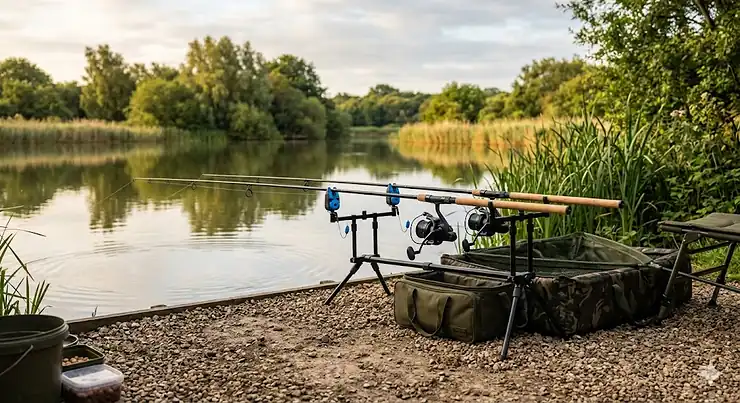
Setting up your first carp fishing rig can feel overwhelming when you’re staring at endless aisles of tackle or scrolling through hundreds of Amazon.co.uk listings. I’ve watched countless beginners walk away with either inadequate gear that leaves them frustrated or massively expensive setups they won’t use half of. The truth is, building a proper carp fishing setup for beginners doesn’t require a second mortgage, but it does demand knowing which corners you can safely cut and which investments will save you money in the long run.
According to The Angling Trust, the national governing body for angling in England, carp fishing has become one of the UK’s most popular freshwater angling pursuits, with dedicated venues and competitions nationwide supporting the growing community of enthusiasts.
What most UK tackle shops won’t tell you straight away is that British weather conditions demand specific considerations your American cousins don’t face. That drizzly morning at your local lake isn’t just atmospheric—it affects everything from your line’s performance to how long your bite alarms stay functional. Over the past decade helping newcomers at commercial fisheries across the Midlands, I’ve learned that a well-chosen £300 setup tailored to UK conditions will consistently outperform a £600 generic kit that looks impressive but misses crucial details like waterproofing or compatibility with our 230V electrical standards.
This comprehensive guide cuts through the marketing fluff to reveal exactly what tackle you need for carp fishing in Britain, why each piece matters for our specific conditions, and which products on Amazon.co.uk actually deliver value rather than just impressive packaging. Whether you’re targeting mirrors at your local day-ticket water or planning your first overnight session at a commercial fishery, you’ll find everything needed to land your first double-figure carp without emptying your wallet or filling your garage with redundant gear.
Quick Comparison: Top Carp Fishing Setups at a Glance
| Setup Type | Price Range (£) | Best For | Key Features | Amazon.co.uk Available |
|---|---|---|---|---|
| Hunter Pro Complete Kit | £100-£140 | Absolute beginners | 10ft rod, reel, tackle box, seat | ✅ Prime eligible |
| NGT 2 Rod Profiler Set | £200-£280 | Day sessions | 2 rods, pod, alarms, mat | ✅ Free delivery |
| Sonik Vader X Combo | £180-£250 | Budget enthusiasts | 12ft carbon rod, baitrunner reel | ✅ Next-day delivery |
| Korda Kaizen Setup | £280-£350 | Quality seekers | Premium rod, reliable components | ✅ Prime eligible |
| Fox Warrior S Bundle | £320-£420 | Intermediate upgrade | Professional-grade tackle | ✅ UK warehouse |
| Wychwood Riot Package | £150-£220 | Mobile anglers | Lightweight, travel-friendly | ✅ Free delivery |
| NGT XPR Session Set | £240-£320 | Overnight fishing | Bivvy-compatible, complete kit | ✅ Next-day available |
From this comparison, the NGT 2 Rod Profiler Set offers exceptional value for UK anglers planning regular day sessions, whilst the Hunter Pro kit remains unbeatable for absolute newcomers wanting to test the waters before committing. What’s particularly noteworthy is how the Sonik Vader X punches well above its price bracket—that carbon construction means you won’t feel shortchanged when fishing alongside anglers with twice your budget. The Fox Warrior S justifies its premium positioning if you’re certain carp fishing will become a long-term pursuit, as those components will serve you faithfully through several seasons of British weather without degrading.
💬 Just one click — help others make better buying decisions too! 😊
✨ Don’t Miss These Exclusive Deals!
🔍 Take your carp fishing to the next level with these carefully selected products. Click on any highlighted item to check current pricing and availability on Amazon.co.uk. These picks will help you find exactly what you need!
Top 7 Carp Fishing Setups for Beginners: Expert Analysis
1. Hunter Pro Complete Beginners Coarse Fishing Kit
The Hunter Pro Complete Kit sits at that sweet spot where affordability meets genuine functionality rather than false economy. This all-in-one package includes a 10ft carbon match rod with a 6lb test line already spooled on the HP40R reel, plus the essential accessories that beginners invariably forget—landing net, keep net, tackle box (which doubles as a roddarch seat), floats, hooks, and weights.
Here’s what separates this from cheaper alternatives: the carbon rod construction means you’re not wrestling with a heavy fibreglass pole all day, which matters enormously during those long British afternoons when carp are feeding sporadically. The 10ft length works brilliantly on commercial fisheries and smaller lakes where you don’t need massive casting distances. That HP40R reel handles 6lb line adequately for carp up to around 12-15lb, which covers most fish you’ll encounter starting out at day-ticket venues across England and Wales.
What I particularly appreciate about this setup is the tackle box design—it’s lightweight yet solid enough to perch on whilst waiting for runs, saving you the expense of a separate fishing chair initially. UK customers report the landing net handles well in typical weather conditions, though you’ll want to add scissors for cutting line (a detail often overlooked) and potentially upgrade those monofilament coils if tangling becomes frustrating.
Pros:
✅ Everything included to fish immediately—no hidden extras needed
✅ Lightweight carbon construction reduces arm fatigue during long sessions
✅ Roddarch seat box provides dual functionality (storage and seating)
Cons:
❌ Monofilament line prone to tangling in wet conditions (common British problem)
❌ 10ft rod limits casting distance for larger venues
Around £100-£140 depending on current promotions, this represents genuine value for absolute beginners testing whether carp fishing suits them. The bundle approach means you’re genuinely fishing-ready the day it arrives, provided you’ve sorted your Environment Agency rod licence online at gov.uk/fishing-licences.
2. NGT Deluxe 2 Rod Profiler Carp Fishing Set
The NGT Deluxe 2 Rod Profiler addresses what happens after your first few sessions when you realise one rod severely limits your fish-catching potential. This comprehensive kit provides two 10ft carbon carp rods (3.50lb test curve, 2-piece design), two carp runner reels, a fully adjustable rod pod, wireless bite alarms with 200m range, digital scales, unhooking mat, and an array of terminal tackle.
What makes this particularly suited to UK conditions is the compact rod design—they pack down to 49 inches, perfect for anglers travelling on public transport or storing in smaller British homes and flats where a 12ft rod case won’t fit. The 3.50lb test curve delivers enough backbone for casting method feeders and handling double-figure carp without being overpowered for commercial fishery fishing where distances rarely exceed 60 metres.
Those wireless bite alarms represent a significant upgrade from visual indicators alone, especially valuable during early morning or evening sessions when British light levels drop dramatically. The 200m range means you can legitimately wander to the facilities or your car without missing takes. The included unhooking mat demonstrates NGT’s understanding that fish welfare increasingly matters to UK fisheries—many commercial venues now mandate proper unhooking equipment.
The complete terminal tackle package (hooks, weights, swivels, leaders) gives beginners a proper introduction to rig building without requiring immediate additional purchases. However, you’ll still need to buy bait separately—boilies, pellets, or sweetcorn depending on venue rules.
Pros:
✅ Compact design suits UK storage constraints (terraced houses, flats)
✅ Wireless alarms with impressive 200m range for mobility
✅ Complete fish care equipment (mat, scales, unhooking tools) included
Cons:
❌ 10ft rods limit distance casting on larger gravel pits
❌ Bait and rod licence not included (budget additional £30-£50)
Typically available in the £200-£280 range, this setup serves beginners planning regular fishing trips brilliantly. It’s particularly well-suited to anglers fishing commercial day-ticket waters where fish stocks are good and casting distances moderate.
3. Sonik Vader X RS Carp Rod and Reel Combo
Moving up in quality whilst maintaining affordability, the Sonik Vader X RS combo pairs a 12ft carbon fibre rod (available in 2.75lb, 3lb, 3.25lb, or 3.5lb test curves) with Sonik’s respected VaderX carp reel featuring a free-spool baitrunner system. This UK-based company has earned an exceptional reputation since 2008 specifically for understanding British carp fishing requirements.
The slim carbon fibre construction makes these rods noticeably lighter than budget alternatives—you’ll appreciate this during those damp British mornings when you’re repeatedly recasting or adjusting rigs. That 12ft length has become the UK standard for good reason: it provides versatility for both commercial fisheries and larger gravel pits, allows decent casting distances (comfortably 80-100 metres with practice), and helps keep your line above marginal vegetation.
The baitrunner reel system proves invaluable for beginners still developing their fish-playing skills. When a carp takes your bait, the free-spool mechanism allows line to run freely under controlled tension, preventing snap-offs whilst you reach your rod. The large spool capacity (typically 300+ yards of 15lb line) means you won’t be respooling constantly, and that ultra-fast retrieve becomes essential when fishing rivers or dealing with weed beds.
What separates Sonik from budget brands is their understanding of British weather durability. These components withstand our damp climate without seizing up, the carbon doesn’t degrade from UV exposure during our admittedly limited sunny periods, and replacement parts remain readily available through UK tackle shops.
Pros:
✅ Slim, lightweight carbon reduces fatigue during full-day sessions
✅ 12ft length provides versatility across venue types (commercial to gravel pits)
✅ Baitrunner system prevents tackle losses for beginners learning fish-playing
Cons:
❌ Rod and reel only—requires separate purchase of alarms, pod, mat
❌ Higher test curves (3.25lb+) demand some casting technique development
In the £180-£250 range for the combo, this represents the sweet spot between budget and premium. You’re getting components that won’t embarrass you alongside more experienced anglers whilst avoiding the diminishing returns of top-tier tackle. Budget an additional £100-£150 for essential accessories (alarms, pod, unhooking mat) if purchasing this as your primary setup.
4. Korda Kaizen Green Carp Fishing Rods
The Korda Kaizen Green rods have developed something approaching cult status in UK carp circles for delivering performance that belies their mid-range pricing. Available in comprehensive size and power options (9ft, 10ft, 12ft, 13ft lengths with various test curves), these rods feature high-performance blanks designed for long casting whilst maintaining a budget-friendly price point around £110-£130 per rod.
Korda’s reputation stems from their relentless focus on carp-specific tackle rather than diluting across multiple fishing disciplines. These rods incorporate technology typically reserved for models costing twice as much, with responsive tip action for bite detection and sufficient backbone to drive hooks home at distance. The distinctive green finish isn’t just aesthetics—it reduces light reflection that can spook carp in clear UK waters.
For beginners committed to carp fishing specifically, the 12ft 3lb test curve version represents an excellent foundation. It handles everything from 2oz leads on commercial fisheries to 4oz+ bombs on gravel pits, casts accurately to 100+ metres with practice, and possesses enough power to control upper-double and twenty-pound carp without being too stiff for smaller fish.
What UK anglers appreciate is Korda’s comprehensive ecosystem—their terminal tackle, bite alarms, and accessories all integrate seamlessly, meaning you can gradually build a coordinated setup rather than mixing incompatible components. The company’s strong presence in British tackle shops also ensures you’ll find replacement parts and expert advice readily available.
Pros:
✅ Performance exceeding price point expectations consistently
✅ Comprehensive size range allows precise matching to fishing style
✅ Compatible with Korda’s extensive terminal tackle ecosystem
Cons:
❌ Rod only—requires separate reel, alarms, and accessories purchase
❌ Green colour may not appeal to anglers preferring traditional aesthetics
At around £110-£130 per rod, these represent an investment that grows with your skills. Pair with a quality reel (budget £80-£120), basic alarms (£40-£60), and essential accessories (£50-£80) for a complete setup around £300-£400 that will serve you reliably for several seasons of British carp fishing.
5. Wychwood Riot Carp Rods
The Wychwood Riot series targets mobile anglers and those fishing smaller venues where ultra-long rods prove cumbersome. Available primarily in 10ft and 12ft configurations with test curves from 2lb to 3.5lb, these rods prioritise responsiveness and portability without sacrificing fish-playing power.
Wychwood’s heritage in UK fishing stretches back decades, and that experience shows in practical details beginners appreciate. The rod’s action provides excellent feedback during the fight—you’ll actually feel what the carp is doing rather than just watching line disappear. This tactile connection helps new anglers develop essential fish-playing skills faster than stiffer, more powerful rods that simply overpower fish.
The relatively compact lengths excel on commercial fisheries, smaller estate lakes, and venues with restricted casting areas or tree-lined swims. If you’re fishing urban parks, smaller day-ticket waters, or venues where precision matters more than distance, these rods deliver beautifully. They also store and transport more easily in British homes where space remains at a premium.
Build quality reflects Wychwood’s mid-range positioning—these aren’t budget blanks, but nor are they premium carbon. They’ll withstand typical use and British weather admirably, though I’d recommend slightly more care than you’d exercise with top-tier tackle. The fittings and guides prove durable for freshwater use, though saltwater exposure (if you venture into mullet or bass fishing) demands thorough rinsing.
Pros:
✅ Excellent action provides tactile feedback for skill development
✅ Compact lengths suit smaller venues and restricted casting areas perfectly
✅ Established UK brand ensures parts availability and support
Cons:
❌ Shorter lengths limit distance potential on large gravel pits
❌ Mid-range build requires reasonable care to maintain longevity
Typically £50-£70 per rod, the Wychwood Riot represents accessible quality for beginners focused on commercial fishery fishing or smaller venues. It’s particularly well-suited to anglers living in urban areas or those without vehicle transport who value compact, manageable equipment.
6. NGT XPR Pop-Up Cradle and Unhooking Mat
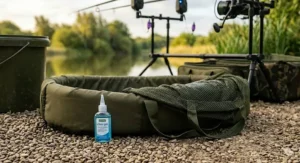
Whilst not a complete rod and reel setup, the NGT XPR Pop-Up Cradle deserves inclusion as essential fish care equipment that beginners often overlook initially. This lightweight (only 1.65kg including case and bivvy pegs) unhooking mat features a quick-folding pop-up design that deploys in seconds, raised padded sides preventing fish thrashing injuries, drainage points, and a detachable protective cover.
Fish welfare has become increasingly important in British carp fishing, with many commercial fisheries now mandating proper unhooking equipment before allowing access. The XPR’s raised sides create a secure, stress-free environment whilst you prepare cameras, scales, or unhooking tools—crucial given British weather can change rapidly and you don’t want carp left exposed during unexpected rain.
What makes this particularly suited to UK conditions is the drainage system combined with the protective cover. Our damp climate means ground moisture is constant; the drainage holes prevent water pooling underneath whilst maintaining fish moisture. The cover shields carp from wind chill during those breezy British mornings when air temperature drops below water temperature.
For stalking anglers or those moving swims regularly (common on commercial fisheries where finding feeding fish matters more than marathon sessions in single swims), the compact packed size proves invaluable. It fits easily into smaller tackle bags or rucksacks used by anglers travelling on public transport.
Pros:
✅ Lightweight and compact suits mobile UK fishing styles perfectly
✅ Quick deployment means fish spend minimal time out of water
✅ Protective cover shields carp from British weather elements
Cons:
❌ Not a complete setup—requires rods, reels, alarms separately
❌ Pop-up mechanism requires careful packing to maintain spring tension
Around £25-£40 depending on current availability, this represents an essential investment in fish welfare that many beginners initially skip. Increasingly, UK fishery rules demand proper unhooking equipment, making this a necessary purchase rather than optional extra.
7. Full Carp Fishing Set Up Complete: 3 Rods, Reels, Alarms 3+3 Holdall + Rigs & Batteries
For anglers certain they’re committed to carp fishing and preferring to invest comprehensively from the start, these complete three-rod setups available on Amazon.co.uk provide everything needed for serious session fishing. Typically including three 12ft rods, three baitrunner reels pre-loaded with line, a full set of bite alarms (usually 3 alarms plus receiver), rod holdall for transportation, essential terminal tackle, and batteries.
The three-rod approach might seem excessive for beginners, but it reflects standard UK carp fishing practice. Multiple rods allow you to fish different areas simultaneously, test various baits concurrently, and maintain fishing whilst one rod is out of action being re-rigged. On commercial fisheries where swim sizes accommodate three rods comfortably, this setup maximises your fish-catching potential during day sessions.
What differentiates these bundles from individually purchased components is the pre-matched compatibility. The alarms work with the receivers reliably, the holdall actually fits three 12ft rods properly (not always guaranteed when mixing brands), and the terminal tackle matches the rod and reel specifications appropriately.
However, these comprehensive kits generally position at the budget end—you’re getting quantity and convenience rather than premium quality. The rods will be functional carbon rather than high-grade blanks, the reels adequate rather than silky-smooth, and the alarms reliable rather than feature-rich. For beginners, this represents a sensible trade-off between having complete equipment and not overspending on premium components whose benefits you won’t yet appreciate.
Pros:
✅ Absolutely everything needed for three-rod carp fishing included
✅ Pre-matched components ensure compatibility across the setup
✅ Holdall simplifies transportation to and from venues significantly
Cons:
❌ Budget-positioned components trade quality for comprehensive coverage
❌ Heavy investment upfront before confirming carp fishing suits you
These bundles typically range £250-£380 on Amazon.co.uk depending on specific brands and component quality. They represent the most cost-effective route to complete three-rod capability, though I’d recommend this path only for anglers genuinely committed after trying carp fishing with borrowed or hired equipment first.
How Your First Session Actually Unfolds: A Realistic Timeline
Most beginners imagine carp fishing involves immediately casting out and watching bite alarms scream within minutes. The reality of British carp fishing looks rather different, and understanding this prevents the disappointment that causes many newcomers to abandon the sport prematurely.
Your actual first session will likely begin with 30-45 minutes simply getting organised—unpacking tackle, assembling rods (if two-piece), setting up your rod pod or bank sticks, attaching alarms, and preparing rigs. Don’t be embarrassed if other anglers seem to accomplish this in five minutes; they’ve performed these tasks hundreds of times. In damp British conditions, expect everything to take slightly longer as you dry off reels, wipe down rods, and protect electronics from our perpetual drizzle.
Once set up, you’ll spend another 15-20 minutes actually finding where to fish. Commercial fisheries often have “showing” fish—carp rolling, jumping, or creating fizzing patches in the margins where they’re feeding. Natural gravel pits require more detective work: looking for patrol routes, identifying clean gravel bars free from weed, spotting features like overhanging trees or reed beds that carp favour. British venues rarely broadcast their secrets obviously; patience and observation matter more than expensive fish finders initially.
The actual fishing involves far more waiting than action, particularly during colder months when British carp feed less aggressively. A successful first session might yield 2-3 takes over a 6-8 hour period, with perhaps 1-2 landed fish if you’re fortunate. This isn’t failure—it’s normal. What separates successful beginners from frustrated quitters is appreciating that carp fishing offers contemplative time by beautiful British waters, with the genuine thrill of powerful fighting fish as periodic highlights rather than constant action.
Real-World Case Study: Three UK Beginner Profiles
Profile 1: James, 34, Manchester Suburb Commuter James fishes his local commercial fishery 3-4 Saturday mornings monthly before family commitments begin. He travels by car (20-minute drive) and prioritises mobility, moving swims when fish show elsewhere rather than committed long sessions in single spots. The NGT 2 Rod Profiler setup suits him perfectly—compact enough for his Vauxhall Corsa boot, quick to set up and dismantle, with wireless alarms allowing him to grab tea from the fishery café without missing takes. In six months, he’s progressed from tentative 8lb mirrors to confidently landing upper doubles, all whilst spending under £300 total on tackle.
Profile 2: Sarah, 27, Cardiff City Centre Flat Dweller Without car transport and limited storage space in her two-bedroom flat, Sarah relies on public transport to reach her nearest day-ticket lake (two buses, 45-minute journey). The compact Wychwood Riot setup fits in a large rucksack alongside essential terminal tackle, with a lightweight unhooking mat strapped externally. She fishes dawn sessions twice monthly, arriving at first light when buses start running and leaving mid-morning. Her modest single-rod approach has connected her with the venue intimately—she now knows specific swims, seasonal patterns, and effective baits through focused observation rather than scattergun three-rod coverage.
Profile 3: Robert, 58, Early Retiree from Yorkshire With time and modest budget available, Robert invested in a complete three-rod setup immediately after trying carp fishing with his son. He fishes overnight sessions on local gravel pits, arriving Friday evening and departing Saturday afternoon fortnightly. The comprehensive bundle approach suited his preference for having everything needed without multiple shopping trips. Whilst the tackle isn’t premium, it’s proven absolutely adequate for his skill level. He’s gradually upgrading components individually—a better reel here, improved alarms there—as he identifies specific limitations through actual fishing experience rather than forum speculation.
Essential Carp Tackle You Actually Need (And What You Don’t)
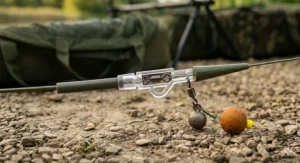
Beginners consistently waste money on tackle they’ll never use whilst skimping on genuine essentials. Having helped newcomers at tackle shops across the Midlands for years, I’ve identified the core equipment that delivers value versus the seductive extras that gather dust in garages.
Genuine Essentials (Budget Minimum £280-£350):
- Rod and reel (£120-£200): Don’t compromise here—this directly affects your casting, fish-playing, and overall enjoyment
- Bite alarms (£40-£80): Visual indicators work, but alarms transform your fishing, especially during British weather when you’re sheltering
- Unhooking mat (£25-£40): Fish welfare aside, many UK fisheries mandate this
- Landing net (£30-£50): Attempting to land carp without a proper net ends badly
- Terminal tackle box (£15-£25): Hooks, weights, swivels, leaders—essential consumables
- Rod pod or bank sticks (£35-£60): You need somewhere secure to position rods
- Environment Agency licence (£30-£40 annually): Non-negotiable legal requirement for England and Wales
Valuable Additions (Budget £100-£150):
- Bait bucket and catapult (£15-£25): Proper bait presentation improves catch rates significantly
- Fishing chair (£40-£80): British sessions often involve considerable waiting; comfort matters
- Rod holdall (£30-£50): Protects investment during transport and storage
- Headtorch (£15-£25): British winter means darkness by 4pm; quality lighting proves essential
Carp fishing in the UK has a rich heritage dating back centuries. As documented on Wikipedia’s Carp Fishing article, the modern sport evolved significantly in Britain during the 1950s and 1960s, with innovations like the hair rig revolutionising how anglers approach these intelligent fish.
Nice-to-Have (Budget £50-£100+):
- Bivvy or shelter (£80-£200): Only necessary for overnight sessions or Scottish midges
- Bedchair (£60-£150): Relevant only for genuine overnight fishing
- Bait boat (£150-£500): Completely unnecessary for beginners; learn casting first
- Underwater cameras (£200-£600): Interesting but not remotely essential initially
The marketing trap is expensive bivvies, bedchairs, and camping equipment before you’ve determined whether overnight fishing suits you. Many British anglers fish exclusively day sessions, where a simple umbrella provides adequate shelter. Similarly, premium bite alarms with Bluetooth connectivity and smartphone apps offer minimal advantage over reliable £50 sets for beginners still learning basic bite indication.
Carp Fishing Setup for Beginners vs Traditional Float Fishing: Which Suits You?
Traditional float fishing and modern carp fishing represent distinct approaches with different equipment, techniques, and philosophies. Understanding these differences helps beginners choose the path matching their temperament and circumstances.
Float fishing typically involves lighter tackle (8-10ft rods, smaller reels, delicate floats), active fishing requiring constant attention, and targeting multiple species rather than carp exclusively. Sessions rarely extend beyond 4-6 hours, and the approach suits anglers who enjoy varied action and don’t mind smaller fish. Equipment costs run significantly lower (complete setup £80-£150), and venues include canals, rivers, and small ponds where carp setups prove impractical.
Carp fishing employs heavier tackle (12ft rods, large reels, bite alarms), passive fishing where rods sit untouched for hours, and targets carp specifically. Sessions often extend 8-12 hours or overnight, appealing to anglers who appreciate contemplative waterside time punctuated by intense action when fish appear. Equipment costs reach £250-£400 minimum for decent setups, and venues generally mean commercial fisheries, gravel pits, or estate lakes.
British weather affects both approaches, but carp fishing’s passive nature allows better shelter use during our inevitable rain. Float fishing demands visual contact with your float constantly, meaning you’re exposed to elements throughout sessions. Conversely, carp alarms allow retreating under umbrellas or bivvies whilst remaining connected to your tackle—rather important during those six-month British winters.
For beginners uncertain which path suits them, consider your available time, patience levels, and social preferences. Float fishing delivers more frequent action (catching 10-15 smaller fish per session isn’t unusual), whilst carp fishing offers fewer but larger, more powerful adversaries. Float fishing facilitates chat with fellow anglers and movement around venues; carp fishing involves committed swim time and quieter contemplation.
Common Mistakes When Buying Your First Carp Setup
Mistake 1: Prioritising Bivvies Over Rods I’ve watched countless beginners invest £200 in impressive bivvies before owning adequate rods and reels. British weather makes shelter seductive, but an expensive tent paired with budget tackle that breaks or performs poorly proves a miserable combination. Allocate at least 60% of your budget to rods, reels, and alarms before considering overnight camping equipment. Many successful UK carp anglers fish exclusively day sessions under simple umbrellas, catching as many fish as overnight specialists without the camping paraphernalia.
Mistake 2: Buying US-Spec Products That Don’t Work in Britain Amazon.co.uk occasionally lists products designed for American markets with incompatible specifications. US voltage (110V) won’t work with British sockets (230V) without transformers. Some electronics feature US radio frequencies that breach UK regulations. Product dimensions in feet and pounds rather than metres and kilograms indicate potential incompatibility. Always verify “UK plug,” “230V compatible,” and “UKCA marked” when purchasing electronic equipment. The disappointment of receiving brilliant tackle you literally cannot use safely in Britain teaches this lesson expensively.
Mistake 3: Skimping on Fish Care Equipment Budget-conscious beginners frequently delay purchasing proper unhooking mats, antiseptic sprays, and weigh slings whilst investing in premium rods. This proves both ethically questionable and increasingly practically problematic—many British fisheries now conduct bankside checks and refuse access to anglers lacking proper fish care equipment. That £30 unhooking mat isn’t optional luxury; it’s mandatory equipment for responsible angling and venue access. Similarly, antiseptic spray (£5-£8) prevents infections in accidentally damaged carp, protecting both individual fish and entire venue populations.
Mistake 4: Ignoring British Weather Realities Tackle marketed as “waterproof” often means “water-resistant in light drizzle” rather than “survives Biblical British downpours.” Electronics without proper IP ratings (ideally IP65 or higher for British conditions) fail within months of damp exposure. Line that performs brilliantly in California sunshine becomes memory-prone and brittle through six months of British winter. Rod handles without adequate grip prove treacherous when wet—and they will be wet, constantly. Factor British weather into every purchase: sealed bearings in reels, waterproof housings for alarms, corrosion-resistant fittings throughout. The £20 premium for proper weatherproofing prevents £100+ replacement costs inevitably.
Mistake 5: Buying Three-Rod Setups Before Mastering One The seductive “complete three-rod setup” bundles tempt beginners wanting comprehensive equipment immediately. However, managing three rods competently demands skills you haven’t yet developed—casting accurately to three different spots, monitoring three separate bite alarms, playing fish whilst two other rods remain set, organising three lots of terminal tackle efficiently. Start with one rod, master that thoroughly, add a second when you’re consistently catching fish and understand rig variations, then consider a third only when fishing venues where three-rod approaches genuinely improve catch rates. Three poorly-managed rods catch fewer fish than one well-presented setup.
What to Expect: Real-World Performance in British Conditions
Marketing materials showcase carp fishing in glorious sunshine with consistently feeding fish and straightforward captures. British reality involves rather different conditions that beginners should anticipate honestly.
Weather Impact: Expect rain. Not occasionally—regularly. British carp fishing means wet conditions approximately 60% of sessions between October and April. Quality waterproof clothing (£80-£150 for decent jacket and trousers) proves essential rather than optional. Your tackle will get wet despite precautions; factor this into equipment choices. Electronics need proper weatherproofing (IP65 minimum), reels require sealed bearings, and terminal tackle benefits from corrosion-resistant coatings. The stereotype of British anglers fishing through monsoons whilst Americans shelter at first drops exists because our weather demands it—fish don’t feed according to weather forecasts, and waiting for perfect conditions means fishing twice yearly.
Catch Rates: Commercial fisheries stock heavily and typically deliver 2-5 carp per session for competent beginners using appropriate tactics and baits. Natural gravel pits demand considerably more skill and patience—blanking (catching nothing) remains common even for experienced anglers, with 0-2 fish per session representing realistic expectations initially. This isn’t failure; it’s normal. British carp have seen every trick, recognise unnatural presentations, and feed cautiously. Venues with “easier” fishing generally charge higher day-ticket prices (£8-£15) than challenging waters (£5-£8), reflecting the trade-off between catch rates and costs.
Seasonal Variations: British carp feed actively May through September when water temperatures exceed 12°C, with peak activity during June, July, and August. Spring (March-April) and autumn (September-October) offer excellent fishing but demand different approaches—smaller baits, lighter feeding, altered rig presentations. Winter (November-February) remains possible but challenging, with carp feeding sporadically during brief mild spells. Beginners starting during summer months experience far more forgiving conditions and higher success rates than those beginning in January’s freezing conditions. If possible, initiate your carp fishing journey between May and August for optimal learning conditions and catch rates that maintain enthusiasm.
Physical Demands: Carp fishing appears deceptively passive—sitting waiting for alarms to sound. Reality involves considerable physical activity: carrying tackle from car parks (often 100+ metres at popular UK venues), casting repeatedly (3oz+ leads to 60+ metres), landing and handling powerful double-figure fish, and maintaining concentration through long sessions. British venues rarely feature disabled access or convenience; expect uneven banks, muddy pathways especially after rain, and significant walking. A typical day session involves 2-3 hours actual fishing plus 1.5-2 hours setup, packdown, and tackle organisation. Factor genuine fitness requirements rather than assuming entirely sedentary activity.
Long-Term Cost and Maintenance in the UK
Initial tackle investment represents only partial commitment. Understanding ongoing costs and maintenance requirements prevents financial surprises later.
Annual Running Costs (Typical UK Angler):
- Environment Agency rod licence: £30-£40 annually (mandatory)
- Day tickets or club membership: £150-£400 annually (15-30 sessions at £5-£15 per visit)
- Bait: £200-£350 annually (£15-£25 per session for boilies, pellets, groundbait)
- Terminal tackle replacement: £80-£120 annually (hooks, weights, leaders, swivels)
- Line replacement: £30-£50 annually (mainline reels every 12-18 months)
- Fuel/transport: £100-£200 annually (depends heavily on venue distances)
Total: £590-£1,160 annually for moderate fishing (20-25 sessions yearly)
This excludes tackle upgrades, clothing replacement, and optional expenses like magazine subscriptions or fishery memberships. Compared to many British hobbies, carp fishing remains relatively affordable, but it’s not free once initial investment completes.
Maintenance Requirements: British damp climate demands active tackle maintenance rather than passive storage. After each session, rinse reels (especially after fishing lakes with high mineral content or anywhere near coastal areas with salt spray), dry rod handles thoroughly, inspect and clean bite alarms, check line for damage or memory coiling, and verify terminal tackle for corrosion. Monthly, apply appropriate lubricant to reel mechanisms, inspect rod guides for cracks or burrs, replace any corroded components, and reorganise terminal tackle boxes removing damaged items.
Winter storage requires additional preparation if you’re not fishing November-February. Reels benefit from thorough servicing (£20-£30 professionally, or DIY with appropriate tools), rods should be stored horizontally rather than vertically to prevent warping, and bite alarms need batteries removed to prevent corrosion. British garages and sheds experience significant temperature fluctuations and humidity—use dehumidifiers or silica gel packets in tackle storage areas to prevent moisture damage.
Quality tackle properly maintained lasts considerably longer than budget equipment neglected. A £180 Sonik reel serviced annually will outperform and outlast three £60 budget reels replaced every 18 months. Factor maintenance time (1-2 hours monthly) and occasional servicing costs (£40-£60 annually for professional reel servicing) into your commitment evaluation.
UK Regulations, Safety Standards & Legal Requirements
British carp fishing operates under specific legal frameworks that beginners must understand before fishing.
Environment Agency Rod Licence: Anyone aged 13+ fishing for freshwater fish (including carp) in England and Wales requires a valid Environment Agency rod licence. Purchase online at the official government site Get a Fishing Licence – GOV.UK or by telephoning 0344 800 5386 (Monday-Friday, 8am-6pm). Current costs: £30 annually for full licence, £20 for juniors (13-16 years, now charged rather than free as of 2024), £10 for 8-day licence, £6 for 1-day licence. Scottish and Northern Irish regulations differ—check Scottish Government Fisheries for Scotland, specific venue requirements for Northern Ireland.
Fishing without a licence risks prosecution and fines up to £2,500. Environment Agency fisheries officers conduct regular checks, and “I didn’t know” provides no legal defence. Digital licences arrive by email immediately upon purchase; carry proof on your phone or printed copy whenever fishing. The licence covers rod and line fishing only—specific additional permissions apply for night fishing, multiple rods (some venues restrict to two rods despite your licence covering three), and certain protected species or venues.
The Environment Agency reinvests fishing licence income into improving fisheries, habitat restoration, and protecting UK waterways for future generations of anglers.
Venue Permissions: The rod licence grants legal permission to fish in public waters but doesn’t provide access to specific venues. Most UK carp fishing occurs on privately-owned commercial fisheries, syndicate waters, or club-controlled venues requiring separate day tickets (£5-£15), season permits (£80-£300), or membership (£100-£500 annually). Always purchase appropriate permits before fishing and carry proof during sessions. Trespassing to fish private waters constitutes theft under British law, prosecutable separately from licence violations.
Close Seasons: English and Welsh rivers observe a close season (15 March-15 June annually) protecting coarse fish during spawning. This does NOT apply to most stillwaters (lakes, ponds, reservoirs, gravel pits) where carp fishing continues year-round subject to specific venue rules. Some fisheries impose their own close seasons protecting carp during spawning (typically May-June); always verify venue-specific regulations before fishing. Scotland abolished statutory close seasons in 2016, but individual venues may impose restrictions. Northern Ireland maintains close seasons on certain waters—check locally.
Fish Welfare Regulations: British law requires “reasonable care” for caught fish, though specific definitions remain vague. Practically, this means: appropriate landing equipment (nets), proper unhooking mats, minimal air exposure (under 60 seconds ideally), and avoiding fishing during extreme temperatures (above 25°C water temperature or below 3°C). Many commercial fisheries enforce stricter rules including mandatory unhooking mats, keepnet bans for carp, and maximum session lengths during hot weather. Violating venue-specific fish welfare rules typically results in immediate ejection and potential permanent bans.
Safety Equipment: No statutory requirements mandate specific safety equipment for bank fishing, but common sense dictates: life jackets for non-swimmers or challenging conditions, first aid kits for minor injuries, mobile phones for emergencies. Commercial fisheries increasingly require life jackets for under-16s. British weather changes rapidly—hypothermia risk exists even during summer following unexpected temperature drops and wet clothing. Carry emergency shelter, warm dry clothing, and inform someone of your location and expected return time for isolated venue fishing.
FAQ: Your Carp Fishing Questions Answered
❓ How much does a complete carp fishing setup cost for beginners in the UK?
❓ Do I need a fishing licence to fish for carp in the UK?
❓ What's the best time of year to start carp fishing in Britain?
❓ Can I use my carp fishing setup in the rain?
❓ Are Amazon.co.uk carp fishing kits good value compared to tackle shops?
Conclusion: Your Carp Fishing Journey Starts Now
Building your first carp fishing setup for beginners doesn’t demand perfection—it requires making informed decisions that balance your budget, British conditions, and realistic fishing plans. The seven setups reviewed here all deliver genuine value within their price ranges, from the all-inclusive Hunter Pro Complete Kit for absolute newcomers testing the waters, through the versatile NGT Profiler for committed day-session anglers, to comprehensive three-rod bundles for those certain they’re embracing carp fishing long-term.
What separates successful beginners from frustrated quitters isn’t expensive tackle—it’s understanding British carp fishing realities and choosing equipment matching those conditions specifically. Our damp climate demands proper weatherproofing. Our commercial fisheries suit compact, mobile approaches. Our variable seasons require flexible tactics rather than rigid adherence to single methods. Most importantly, our carp have encountered every trick imaginable, meaning patient, thoughtful angling outperforms expensive gear wielded impatiently.
Start with adequate equipment rather than premium tackle. Invest time understanding your local venues, learning when and where carp feed, developing casting accuracy and rig-tying skills. Upgrade components as you identify genuine limitations through actual experience rather than perceived deficiencies from internet forums. The £300 you save initially funds a season’s worth of bait, venue day tickets, and perhaps guided sessions with experienced anglers willing to share genuinely valuable local knowledge.
British carp fishing rewards persistence, observation, and genuine respect for the environment and fish we pursue. Your first double-figure mirror won’t care whether you landed it using £200 or £2,000 tackle—but you’ll remember the thrill forever. Visit your local tackle shop or browse Amazon.co.uk today, select equipment matching your realistic plans and budget, purchase your Environment Agency rod licence at gov.uk/fishing-licences, and discover why millions of British anglers find carp fishing absolutely addictive despite our challenging weather and conditions.
Recommended for You
- Best Rig Rings for Carp 2026: Top 7 UK Expert Picks
- Best Rig Swivels UK: 7 Proven Picks for Carp Success 2026
- 7 Best Lead Clips for Carp Fishing UK 2026: Safety Tested
Disclaimer: This article contains affiliate links. As an Amazon Associate, I earn from qualifying purchases. If you purchase products through these links, we may earn a small commission at no additional cost to you.
✨ Found this helpful? Share it with your mates! 💬🤗
