
In This Article
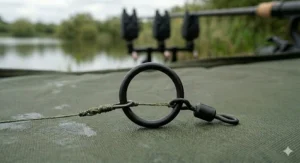
If you’ve spent any time watching videos of top UK carp anglers dissecting their rigs, you’ll notice they obsess over the smallest details — and rig rings for carp are one of those seemingly minor components that can make or break your session. These tiny metal loops might look insignificant next to your shiny new hooks or that expensive hooklink material, but they’re the pivot point between hookbait presentation and a blank weekend by the lake.
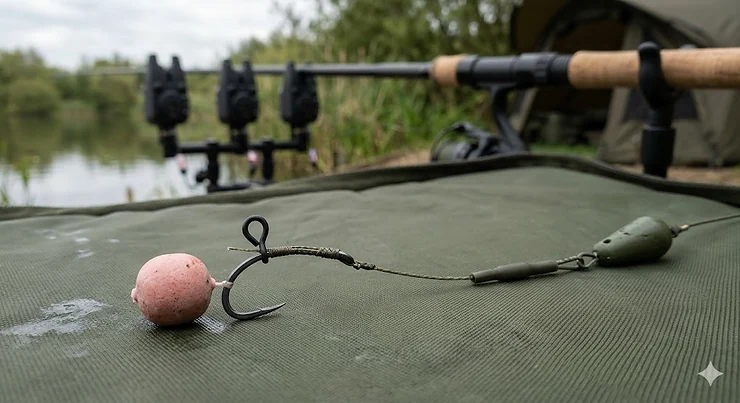
What most British anglers discover the hard way is that not all rig rings are created equal. A cheap ring that binds up after three casts won’t do you any favours when you’re fishing the Ronnie rig over a gravel bar at Linear Fisheries, nor will an oversized ring that allows too much movement ruin your chod rig presentation on a weedy southern venue. The right rig ring offers smooth, consistent movement whilst remaining virtually invisible to wary carp — particularly important given how pressured many UK waters have become.
I’ve spent the better part of a decade fishing various venues across England and Wales, from the legendary day-ticket waters of Essex to the windswept reservoirs of Yorkshire, and one constant truth emerges: rig rings are the unsung heroes of modern carp fishing. Whether you’re threading one onto a Ronnie rig for 360-degree rotation, mounting a D-rig for critically balanced presentations, or setting up a blowback rig for nervous fish, the quality and size of your rig ring directly impacts your hooking efficiency. In this comprehensive guide, we’ll examine seven of the best options available on Amazon.co.uk in 2026, covering everything from budget micro rings to premium PTFE-coated options that’ll see you through multiple seasons of British weather.
Quick Comparison: Top Rig Rings at a Glance
| Product | Size Options | Coating | Best For | Price Range (GBP) |
|---|---|---|---|---|
| Korda Rig Rings Medium | XS, S, M, L, Oval | PTFE | Ronnie & D-rigs | £3-£5 |
| Bank Tackle Running Rig Rings | Large (one size) | Standard black | Running rigs & pike | £4-£7 |
| 50-Pack Mini Rig Rings 3.1mm | 3.1mm | Matt black | Blowback & 360 rigs | £5-£8 |
| Nash Metal Rig Rings | Small, Medium, Large | Low-glare black | Multi-rig & combi rigs | £4-£6 |
| Fox Edges Essentials Rig Rings | 3.7mm | Anti-glare black oxide | All-round use | £2-£4 |
| 40-Piece Running Rig Kit | Various | Green camo | Complete running setups | £8-£12 |
| ESP Rig Rings | Multiple sizes | Smooth matt black | Chod & D-rigs | £3-£5 |
💬 Just one click — help others make better buying decisions too!😊
Top 7 Rig Rings for Carp: Expert Analysis
1. Korda Rig Rings Medium — The PTFE Performance Standard
If there’s one brand that dominates UK carp fishing tackle shops from Cornwall to Scotland, it’s Korda — and their rig rings are a masterclass in why anglers willingly pay a bit extra for proven quality. Available in four sizes (XS, Small, Medium, Large) plus an Oval variant, these rings feature Korda’s signature PTFE coating that genuinely makes a difference when you’re fishing finesse rigs.
The Medium size (approximately 3.1mm internal diameter) strikes the sweet spot for most UK carp fishing applications, fitting comfortably on size 6-8 hooks whilst allowing smooth 360-degree rotation on Ronnie rigs. What Korda doesn’t advertise but you’ll notice after a few sessions: that PTFE coating remains effective even after repeated casting into British gravel or silt — unlike cheaper coatings that wear through by lunchtime on your second trip. The anti-glare black finish is particularly valuable when fishing clear-water venues in southern England during bright conditions, where carp have learned to inspect everything.
Expert Opinion: These excel on D-rigs and Ronnie setups where the ring needs to spin freely without binding. I’ve used the Medium size exclusively on my pop-up rods for three seasons, and they’ve never let me down — even after being dragged across gravel bars at Orchid Lakes or catching fifty-plus fish on the same rig. For British anglers fishing competitive waters or targeting educated twenties and thirties, the Korda rings are worth every penny of the £3-£5 price tag. They’re particularly effective when paired with Korda’s own Hybrid hooks, though they work brilliantly with any quality hook pattern.
Customer Feedback: UK reviewers consistently praise the smoothness and durability, with many noting they’ve replaced cheaper rings after discovering how much difference the PTFE coating makes to bait presentation.
✅ Pros:
- Silky-smooth PTFE coating that lasts multiple seasons
- Four size options plus Oval for different presentations
- Perfect roundness ensures consistent movement
❌ Cons:
- Premium pricing (£1-£2 more than generic options)
- Smaller pack sizes (20 per pack vs 50 for budget brands)
Price Verdict: Around £3-£5 per pack — a fair price for what many UK carp anglers consider the benchmark for rig ring quality.
2. Bank Tackle Running Rig Rings — The Big-Eye Specialist
Bank Tackle’s Running Rig Rings occupy a specific niche in the UK carp fishing market: they’re designed with a noticeably larger eye than standard rig rings, making them ideal for running rig setups where your lead needs to slide freely past the ring, or for pike fishing applications where you need heavier swivels to pass through.
Available in three colours (Green, Brown, Black), these rings measure approximately 5-6mm internal diameter — significantly larger than your typical 2-3mm carp rig ring. Here’s what the spec sheet won’t tell you: whilst they’re marketed for “carp rigs with running weight,” they’re actually overkill for standard hair rigs or blowback presentations. Their real strength emerges on running rigs for bigger waters, marker float setups where you need the ring to slide smoothly on your mainline, or when you’re deliberately targeting British pike alongside carp during winter months.
Expert Opinion: These aren’t your everyday rig rings — they’re problem-solvers for specific situations. If you’re fishing running rigs on large southern reservoirs or gravel pits where safety rig setups are mandatory, the large eye allows your lead to drop away cleanly if you’re broken off in snags. The colour options are a thoughtful touch: green for weedy venues, brown for silty estate lakes, black for gravel pits. However, for standard Ronnie rigs, D-rigs, or chod rigs, these are far too large and will ruin your presentation. Know what you’re buying them for.
Customer Feedback: Mixed UK reviews — pike anglers love them, whilst some carp-only anglers found them “bigger than expected” for standard rig applications. One reviewer noted they’re “not big enough for pike fishing swivels to pass through,” which suggests they sit between standard carp rings and proper pike tackle.
✅ Pros:
- Large eye perfect for running rigs and marker floats
- Three camo colour options for different lake beds
- Strong construction for bigger fish and snaggy conditions
❌ Cons:
- Too large for most standard carp rigs (Ronnie, chod, blowback)
- Limited versatility compared to smaller, multi-purpose rings
Price Verdict: In the £4-£7 range — reasonable for a specialist product, though you’ll want standard rings as well for everyday fishing.
3. 50-Pack Mini Rig Rings 3.1mm — The Budget Workhorse
This is the rig ring equivalent of buying own-brand cereal — less flashy packaging, same nutritional value, half the price. Available on Amazon.co.uk from various sellers (often branded as Phoxinus or generic), these 50-packs of 3.1mm matt black mini rig rings represent outstanding value for British anglers who get through terminal tackle at a fair rate.
The 3.1mm internal diameter makes them compatible with the vast majority of UK carp fishing applications: Ronnie rigs, 360 pop-up rigs, blowback rigs, D-rigs, and hair rigs. What you need to know that the listing doesn’t emphasise: these lack the PTFE coating of premium brands, so you’ll notice slightly more friction when testing the ring’s movement on your hook shank. However — and this is crucial — for 90% of British carp fishing situations, this doesn’t actually matter. Unless you’re fishing ultra-pressured syndicate waters where every micro-detail counts, these perform admirably.
Expert Opinion: I keep a packet of these in my tackle box for tying up spare rigs at home or when I’m experimenting with new presentations and don’t want to burn through expensive Korda rings. They’re particularly sensible for anglers fishing commercial day-ticket venues where you might lose a few rigs to snags or if you’re fishing alongside your teenage kids who are still learning rig construction. The matt black finish is perfectly adequate for stealth, and the 50-count means you’re sorted for an entire season unless you’re frighteningly unlucky with tree-related incidents.
Customer Feedback: UK buyers consistently mention “excellent quality” and satisfaction with the fit, noting they’re perfect for building multiple rigs without breaking the bank. Some found them “a bit bigger than expected” — if you’re fishing size 10 or 12 hooks, you might want to look for 2.5mm options instead.
✅ Pros:
- Outstanding value with 50 rings per pack
- Perfect 3.1mm size for most UK carp rig applications
- Matt black finish reduces underwater visibility
❌ Cons:
- No PTFE coating means slightly more friction than premium options
- Quality control can vary between generic sellers
Price Verdict: Around £5-£8 for 50 rings — that’s roughly 10-15p per ring compared to 15-25p for branded options. Brilliant value for everyday fishing.
4. Nash Metal Rig Rings — The Low-Glare Specialist
Nash Tackle has built its reputation in the UK carp fishing world on producing no-nonsense, high-performance terminal tackle, and their Metal Rig Rings continue that tradition. Available in Small (2.5mm), Medium (3.1mm), and Large (3.5mm), these rings feature Nash’s “low-glare, no-spook” finish specifically engineered for wary British carp.
The detail Nash emphasises that actually matters: these rings are manufactured specifically for Nash, suggesting tighter quality control than generic imports. You’ll notice this in the perfectly round profile and consistent sizing between batches — important when you’re tying twenty rigs for a week-long session at a French carp lake or prepping for a UK winter campaign. The low-glare coating isn’t just marketing speak; under bright conditions, these genuinely reflect less light than standard black oxide finishes, which can make a difference on clear-water gravel pits in Essex or Cambridgeshire during summer afternoons.
Expert Opinion: These excel for multi-rig setups (hence the product name sometimes being listed as “Nash Multi Rig Rings”) and combi-rig applications where you’re joining different hooklink materials. The Small (2.5mm) option is brilliant for finesse presentations targeting spooky fish — I’ve used them exclusively on wafter rigs fished over silt where carp have seen every trick in the book. They’re particularly effective when combined with Nash’s own hooklinks and hooks, creating a matched terminal setup. For British anglers who appreciate understated effectiveness over flashy marketing, these represent solid value at around £4-£6 per 20-pack.
Customer Feedback: UK carp anglers highlight the strength and no-spook finish, with several noting they’ve caught multiple fish on the same ring without any signs of wear or deformation.
✅ Pros:
- Three sizes cover all carp fishing applications
- Superior low-glare finish for clear-water venues
- Manufactured to Nash’s quality specifications
❌ Cons:
- Smaller pack size (20 rings vs 50 for budget options)
- Mid-range pricing without PTFE coating benefits
Price Verdict: Around £4-£6 per pack — fair pricing for a quality UK brand, though not as premium as Korda’s PTFE option.
5. Fox Edges Essentials Rig Rings — The All-Rounder Value Pick
Fox International is a heavyweight in British carp fishing, and their Edges Essentials range delivers solid performance at accessible prices. The Essentials Rig Rings (3.7mm internal diameter) sit in that “Goldilocks zone” of being large enough for most hook sizes (6-10) whilst maintaining smooth movement on the hook shank for blowback and D-rig presentations.
The anti-glare black oxide finish has been a Fox signature for years across their terminal tackle range. What makes these particularly suited to UK conditions: they’re slightly larger than the typical 3.1mm standard, which means they work brilliantly on slightly longer-shanked hooks popular for bottom bait fishing on British gravel pits and estate lakes. The perfectly round profile ensures your rig ring won’t bind or stick when a carp picks up your hookbait, and the smooth edges prevent damage to fine hooklink materials.
Expert Opinion: These are my “pack in the van” rings — reliable, affordable, and versatile enough that I’m never worried about using them for any presentation. At around £2-£4 per pack, they’re basically half the price of Korda rings whilst delivering 85-90% of the performance. For British anglers fishing regular day-ticket venues or club waters, this value proposition is hard to beat. They’re particularly well-suited to anglers who fish a variety of rig styles — Ronnie one rod, blowback on another, chod on the third — and want one size ring that handles everything competently. The Fox branding also means consistent quality; you won’t get dud batches like you occasionally might with unbranded imports.
Customer Feedback: UK buyers praise the value-for-money and reliability, with many commenting they’re “perfectly adequate for the price” and “can’t fault them for day-ticket fishing.”
✅ Pros:
- Excellent value from a trusted UK brand (Fox)
- 3.7mm size fits most UK carp hook patterns
- Consistent quality across batches
❌ Cons:
- Slightly larger than ideal for very small hooks (size 10-12)
- No PTFE coating for premium smoothness
Price Verdict: In the £2-£4 range — this is outstanding value for Fox-branded terminal tackle. Recommended for cost-conscious anglers.
6. 40-Piece Running Rig Carp Fishing Kit — The Complete Beginner Solution
This kit represents a different approach entirely: rather than just rig rings, you’re getting everything needed for running rig setups — rig rubber, run rings, speed links, and rolling swivels. Available on Amazon.co.uk typically in green camo finish, it’s specifically designed as an all-in-one solution for anglers building friction-free alternatives to fixed lead rigs.
The selling point for UK anglers specifically: running rigs remain hugely popular on British gravel pits and estate lakes, particularly in southern England where venues often mandate safety lead clips. This kit gives you ten complete sets of components, allowing you to tie up multiple running rigs for a fraction of what you’d pay buying each component separately. The angled rig rubber and large-eye run rings are designed to create a tangle-proof system that enhances bite indication whilst allowing the lead to detach if your line breaks — essential for fish welfare under UK fishing regulations.
Expert Opinion: This is brilliant for anglers new to running rig setups or those wanting to prep multiple rods for a week-long carp fishing holiday. The green camo finish suits weedy or silty venues across the UK, and having everything on a card makes organisation straightforward. However, experienced anglers might find the quality slightly below specialist individual components — the swivels, whilst robust, aren’t quite as smooth as dedicated Nash or Korda options. That said, for the price (typically £8-£12 for ten sets), you’re getting exceptional value. I’d particularly recommend this to anglers who fish varied venues and want running rig options available without committing to premium individual components.
Customer Feedback: UK reviewers praise the comprehensive nature of the kit and the value, noting it’s ideal for setting up multiple rods quickly. The green colour is mentioned favourably for vegetated waters common across England and Wales.
✅ Pros:
- Complete kit with all components for running rigs
- Ten sets provide excellent value (under £1.50 per rig)
- Green camo finish suits UK weedy/silty venues
❌ Cons:
- Component quality slightly below premium individual items
- Green colour not ideal for gravel pits or clear water
- Not suitable for Ronnie, chod, or D-rig applications
Price Verdict: Around £8-£12 for the complete kit — outstanding value if you’re building running rig setups, though not relevant if you’re focused on pop-up rigs.
7. ESP Rig Rings — The Smooth Specialist
ESP (Evolved Specialist Products) has earned a loyal following among UK carp anglers who appreciate understated quality over flashy marketing, and their rig rings epitomise that philosophy. Available in multiple sizes, these rings feature ESP’s smooth matt black finish designed specifically for rigs where the ring needs to slide freely on the hook shank — chod rigs, D-rigs, multi-rigs, blowback rigs, and Ronnie rigs.
What sets ESP apart in the UK market: their attention to edge finishing and roundness consistency. Cheap rig rings often have microscopic burrs or flat spots that create friction points; ESP’s manufacturing process eliminates these, resulting in genuinely smooth movement even under load. For British anglers fishing challenging venues where presentation perfection matters — think Linear Fisheries, Yateley, or the famous southern syndicates — this level of refinement can be the difference between regular action and watching your mate across the lake catch whilst you blank.
Expert Opinion: I rate these alongside Korda rings for performance, though they typically cost £1-£2 less. The smooth matt black finish is subtly different from standard black oxide — under water, it seems to absorb light rather than reflect it, which I suspect helps on bright days when carp are extra cautious. They’re particularly effective for chod rig presentations where the ring must rotate freely to allow the stiff hooklink to flip over correctly. For UK carp anglers fishing syndicates or high-pressure waters, ESP rings deliver premium performance without the premium price tag. The downside? They’re less widely stocked than Korda or Nash, so you might need to order ahead rather than grabbing them from your local tackle shop on the way to the lake.
Customer Feedback: UK anglers who’ve discovered ESP rings tend to become devoted users, citing the smoothness and “proper finish” as standout qualities. Several mentioned switching from Korda after trying these.
✅ Pros:
- Exceptionally smooth movement for critical presentations
- Matt black finish with superior light-absorption properties
- Excellent value compared to similar-quality competitors
❌ Cons:
- Less widely stocked in UK tackle shops
- Fewer size options than some competitors
Price Verdict: Around £3-£5 — this represents excellent value for near-Korda performance levels. Highly recommended.
Understanding Rig Ring Sizes: A UK Angler’s Guide
One of the most common mistakes I see British carp anglers make is grabbing whatever rig ring size is cheapest on Amazon without considering how it’ll actually function with their chosen hook pattern and rig style. Size matters enormously in rig ring selection, and getting it wrong can ruin even the most carefully constructed presentation.
The Size Spectrum Explained
Micro/XS (2.0-2.5mm): These tiny rings are specialist tools for finesse fishing on ultra-pressured UK waters. They’re perfect for small hooks (size 10-12) when you’re targeting wary carp with critically balanced wafter presentations or when fishing over silt where every millimetre of profile reduction matters. I’ve used 2.5mm rings successfully on syndicate waters in Cambridgeshire where the carp have doctoral degrees in rig avoidance. However, they’re fiddly to thread onto hooklinks and too small for most pop-up presentations.
Small (3.0-3.1mm): This is the “standard” size that suits 80% of UK carp fishing applications. A 3.1mm ring fits comfortably on size 6-8 hooks — the sweet spot for British carp fishing — whilst allowing smooth movement for Ronnie rigs, blowback rigs, and 360 presentations. If you’re buying one size to cover most situations, this is it. The 50-pack generic options reviewed earlier typically come in this size precisely because it’s so universally useful.
Medium (3.5-3.7mm): Slightly larger rings work brilliantly with size 4-6 hooks, particularly when you’re fishing pop-ups or targeting bigger British carp (twenties and above) where you need more robust terminal tackle. The extra 0.5mm makes threading easier on the bankside when your fingers are frozen on a January morning in Yorkshire. Fox’s Essentials rings at 3.7mm fall into this category and represent a smart choice for anglers who predominantly fish bottom baits or wafters on larger hooks.
Large (4.0mm+): These are moving into specialist territory. Useful for very large hooks (size 2-4) when targeting British carp over forty pounds, or for specific presentations like running rigs where you need the ring to accommodate thicker swivels. Bank Tackle’s Running Rig Rings reviewed earlier sit in this category. For standard carp fishing on UK day-ticket venues, these are usually too large and will create unwanted slack in your presentation.
How UK Lake Conditions Influence Size Choice
British waters vary enormously, and your rig ring size should adapt accordingly. On clear gravel pits like those in the Cotswold Water Park, smaller rings (3.0-3.1mm) reduce the overall profile of your rig, making it less detectable to educated fish. Conversely, on heavily coloured or weedy estate lakes across the Midlands and East Anglia, you can get away with larger rings (3.5-3.7mm) because visibility is already limited — and the easier threading makes bankside efficiency better when you’re capitalising on a feeding spell.
Important for UK anglers: Remember that anyone aged 13 or over fishing for carp in England and Wales must hold a valid Environment Agency rod fishing licence, which you can purchase online or at Post Offices for one day, eight days, or annually.
How to Choose Rig Rings for Different Presentations
The beauty of modern carp fishing is the sheer variety of rig styles available, but each presentation has specific rig ring requirements that British anglers should understand before ordering from Amazon.co.uk.
Ronnie/Spinner Rig Requirements
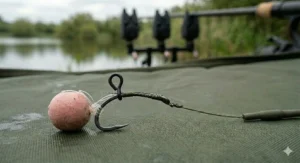
The Ronnie rig — arguably the most popular carp rig in the UK during 2026 — relies entirely on smooth 360-degree rotation of the hook on a ring swivel. For this presentation, you want a ring with minimal friction: PTFE-coated options like Korda or smooth-finish rings like ESP are worth the extra £1-£2. Size-wise, stick to 3.1mm for hooks size 6-8, or 3.5mm for size 4-6. The ring must slide freely along your boom section (typically stiff coated braid) without binding. Test this before you leave for the lake — thread the ring onto your boom material and slide it back and forth; if there’s any sticking, either the ring quality is poor or you’ve chosen the wrong size for your material diameter.
Chod Rig Specifications
Chod rigs present a different challenge: the ring needs to rotate freely on the stiff hooklink to allow the rig to flip over correctly when a carp mouths your pop-up. Here, roundness is more important than coating — a perfectly round 3.0-3.1mm ring will outperform a slightly oval 3.5mm ring even if the larger one has PTFE coating. Nash and ESP rings excel for chod presentations because their manufacturing consistency ensures proper roundness. On British weedy waters like those in Kent or Sussex, a well-presented chod rig with a quality ring will dramatically outperform cheaper alternatives.
Blowback Rig Considerations
Blowback rigs use a sliding ring on the hook shank to create separation between hookbait and hook when a carp tries to eject your bait. For this application, you want moderate smoothness — not so slick that the ring slides too easily (reducing anti-eject properties), but smooth enough that it doesn’t bind under tension. Standard black oxide rings like Fox Edges or generic 3.1mm options work perfectly and save you money compared to premium PTFE versions where the extra smoothness actually works against you. This is one situation where budget rings make tactical sense.
D-Rig and Multi-Rig Applications
D-rigs and multi-rigs (increasingly popular on UK commercial fisheries and specimen lakes) need rings that can withstand repeated hook changes whilst maintaining smooth movement. Here, durability trumps initial smoothness — you’ll be threading hooks on and off the ring regularly, so you need something that won’t deform after five hook swaps. Nash Metal Rig Rings and ESP options both handle this abuse well. Size depends on your hook pattern, but 3.1-3.5mm covers most British carp fishing multi-rig applications.
The British Weather Factor: How Conditions Affect Rig Ring Performance
Living on an island with famously unpredictable weather, British carp anglers need terminal tackle that functions properly across a wide temperature range and in varying moisture conditions. Rig rings, surprisingly, aren’t immune to weather effects.
Winter Fishing Challenges
During British winters — typically November through February — air temperatures hover around 2-8°C, and water temperatures on southern English lakes drop to 4-6°C. PTFE-coated rings maintain their smoothness far better in cold conditions than standard black oxide finishes, which can develop microscopic surface roughness as moisture freezes and thaws. I’ve noticed this particularly on overnight sessions in December when you’re leaving rigs out for twelve hours through freezing temperatures. Korda and ESP rings retain their performance; cheaper options sometimes need replacing after winter use because the coating degrades.
Wet Weather Reliability
Britain’s maritime climate means rain — lots of it. Between October and March, you’re essentially fishing in a wet environment most weekends. Rig rings made from lower-grade materials can develop surface oxidation after repeated soaking, which increases friction and ruins your Ronnie rig’s rotation. Stainless steel or properly treated black oxide finishes resist this oxidation — another reason why established UK brands like Nash, Korda, Fox, and ESP command premium prices. They’ve engineered their products for British conditions, unlike some imports designed for Mediterranean climates.
Worth noting for conservation-minded anglers: proper terminal tackle that functions reliably helps ensure safe fish welfare, which is why the Angling Trust emphasises the importance of quality components in modern carp fishing practices across the UK.
Summer UV Exposure
Conversely, British summer UV levels (whilst modest by Australian or Spanish standards) can degrade certain coatings over time if you’re leaving spare rigs on a rig board in your tackle box. This is less problematic with metal rig rings than with plastic components, but it’s worth noting that PTFE coatings generally resist UV degradation better than standard finishes. If you prep rigs in spring for summer use, premium rings will still perform perfectly in August whilst budget options might show reduced smoothness.
Rig Ring Mistakes British Anglers Make (And How to Avoid Them)
After watching countless UK carp anglers at venues across England and Wales, certain rig ring errors crop up repeatedly. Here’s how to avoid the most common pitfalls:
Mistake 1: Buying Too Large for the Application
I’ve lost count of how many times I’ve seen anglers thread a 4mm+ ring onto a size 8 hook for a Ronnie rig, then wonder why their presentation looks clumsy. Match ring size to hook size as a baseline: size 10-12 hooks = 2.5-3.0mm rings; size 6-8 hooks = 3.1-3.5mm rings; size 2-4 hooks = 3.7-4.5mm rings. When in doubt, go slightly smaller rather than larger — you can always force a ring on with a bit of effort, but an oversized ring creates slack that ruins presentation and reduces hooking efficiency.
Mistake 2: Prioritising Price Over Performance
Rig rings are one component where the difference between budget and premium options genuinely affects catch rates on pressured British waters. A 50-pack costing £5 might seem brilliant value, but if those rings bind up after three casts or reflect light underwater, you’ll catch fewer fish than with a £4 pack of twenty Korda rings. Calculate cost per fish rather than cost per ring — suddenly spending an extra £2 seems sensible when it might add four or five additional carp to your season’s tally.
Mistake 3: Neglecting the Coating-Application Match
Not all rig presentations benefit from PTFE coating. As mentioned earlier, blowback rigs actually work better with moderate friction. Yet I regularly see British anglers paying premium prices for PTFE rings they’re using on applications where it provides no advantage. Save money by using premium rings only where they matter (Ronnie, chod, D-rig) and budget options where friction is actually helpful (blowback, certain hair rig variants).
Mistake 4: Ignoring Colour Selection When Available
Whilst most rig rings are black, some brands (like Bank Tackle) offer green or brown options. On heavily vegetated UK lakes — common across the Midlands and southern England — a green ring can genuinely reduce detection rates. It’s a marginal gain, but carp fishing on pressured British waters is a marginal gains game. Conversely, using green rings on chalk stream gravel pits makes zero sense. Match your tackle colour to your lake bed.
Interestingly, research into fish vision and colour perception suggests that carp can distinguish colours effectively in clear water conditions, which supports the practice of matching terminal tackle to lake bed substrate on UK waters.
Mistake 5: Failing to Test Before Fishing
This seems obvious, yet I’ve watched anglers tie Ronnie rigs at home, chuck them in a rig wallet, then discover on the bankside that their £6 rig rings don’t actually rotate smoothly. Always test ring movement before you reach the lake: thread the ring onto your hooklink material, slide it back and forth fifty times, check for binding or rough spots. If it’s not perfect at home, it’ll be worse underwater when you’ve got a thirty-pound mirror deciding whether to mouth your hookbait.
Long-Term Value: Cost Analysis for UK Carp Anglers
British carp fishing can be an expensive pursuit — day tickets, bait, fuel, tackle — so understanding the genuine cost-per-use of different rig ring options helps you allocate your budget sensibly.
Budget Rings: The £5-£8 Option
A 50-pack of generic 3.1mm rings at £7 breaks down to approximately 14p per ring. If you tie twenty rigs per season and replace half of them due to snags or line wear, you’ll use roughly ten rings annually — total cost £1.40. For anglers fishing standard day-ticket venues or club waters where fish aren’t excessively pressured, this represents outstanding value. You’re spending less than the cost of a pint of bitter on an entire season’s rig rings whilst achieving perfectly adequate performance.
Mid-Range Options: The £3-£5 Sweet Spot
Nash Metal Rig Rings or Fox Edges Essentials typically cost £3-£5 for packs of 20-30, working out at roughly 15-25p per ring. Using the same twenty rigs per season scenario, you’re looking at £2-£3 annual expenditure. This category offers the best value-for-performance ratio for most British anglers — you’re getting quality from established UK brands without paying the PTFE premium. For the price of two pints at your local pub, you’ve sorted your rig rings for the year with components that’ll handle everything from weedy day-ticket lakes to gravel pits.
Premium Rings: The £4-£6 Investment
Korda and ESP PTFE or specialist-finish rings command £4-£6 for packs of 20, approximately 20-30p per ring. For twenty rigs annually, you’re investing £4-£6 total. On pressured syndicate waters or when targeting specimen carp (thirties and above), this investment makes complete sense. The difference in performance — smoother movement, better anti-glare properties, longer durability — can easily translate to several additional fish over a season. If your syndicate membership costs £600-£1,200 annually (typical for quality southern English waters), spending an extra £3 on premium rig rings to maximise your results seems rather sensible.
The Running Costs Nobody Mentions
Beyond the initial purchase, consider replacement frequency. Cheaper rings may need replacing after ten fish or after exposure to abrasive lake beds; premium options can often handle fifty-plus fish and multiple seasons. Factor in your time spent retying rigs — if you’re replacing cheap rings twice as often, you’re spending double the time on rig maintenance. For working British anglers who fish weekends only, time efficiency matters. Paying 15p extra per ring to reduce retying sessions from six to three annually might actually save you money in terms of productive fishing time.
Frequently Asked Questions
❓ Are rig rings necessary for all carp rigs in UK waters?
❓ What size rig rings for carp fishing should UK anglers buy?
❓ Do PTFE-coated rig rings work better in British weather conditions?
❓ Can I use rig rings from Amazon.co.uk for pike fishing as well?
❓ How many rig rings should UK carp anglers keep in stock?
Conclusion: Your Perfect Rig Ring Match Awaits
After examining seven distinct rig ring options available on Amazon.co.uk, one truth emerges: there’s no single “best” rig ring for every British carp angler. Your ideal choice depends entirely on where you fish, what presentations you favour, and how much value you place on marginal gains versus cost savings.
For beginners exploring carp fishing on UK day-ticket venues or club waters, the 50-Pack Mini Rig Rings 3.1mm or Fox Edges Essentials represent brilliant starting points — affordable, versatile, and perfectly adequate for learning proper rig construction without expensive mistakes. You’ll spend under £10 and have enough rings for two seasons of regular fishing whilst you develop your skills and preferences.
Intermediate anglers fishing a mix of venues and presentations will find the Nash Metal Rig Rings or ESP Rig Rings hit that sweet spot between performance and price. These deliver the quality and consistency needed for more challenging British waters without the PTFE premium, making them ideal for carp anglers who’ve progressed beyond basics but aren’t yet fishing ultra-pressured syndicates.
Advanced anglers targeting specimen fish on pressured southern English waters should seriously consider the Korda Rig Rings Medium with PTFE coating. Yes, they’re £1-£2 more expensive, but when you’re investing hundreds of pounds in syndicate memberships and travelling hours for sessions, having terminal tackle that delivers maximum performance makes complete sense. The smoothness and durability justify the cost across a season.
Specialist applications have their champions too: the Bank Tackle Running Rig Rings excel for running rig setups on gravel pits, whilst the 40-Piece Running Rig Kit offers unbeatable value for anglers wanting comprehensive running rig components.
Ultimately, rig rings are one component where spending a bit extra delivers measurable returns on British waters where educated carp scrutinise everything. Whether you’re fishing the estate lakes of Cambridgeshire, the gravel pits of Oxfordshire, or the reservoirs of Yorkshire, investing in quality rig rings appropriate to your presentations will see more fish in your landing net — and that’s what matters on those precious weekends by the lake.
Recommended for You
- Best Rig Swivels UK: 7 Proven Picks for Carp Success 2026
- 7 Best Lead Clips for Carp Fishing UK 2026: Safety Tested
- Hinged Stiff Rig Setup: 7 Best UK Options & Expert Setup Guide 2026
Disclaimer: This article contains affiliate links. As an Amazon Associate, I earn from qualifying purchases. If you purchase products through these links, we may earn a small commission at no additional cost to you.
✨ Found this helpful? Share it with your mates! 💬🤗
