In This Article
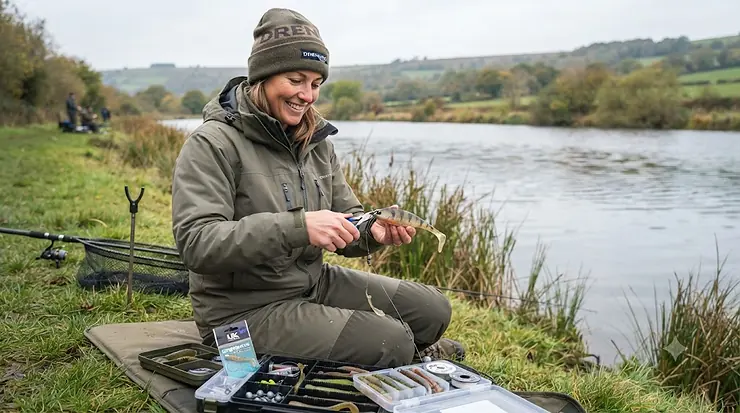
Ask ten pike anglers how to rig soft plastics for pike and you’ll get eleven opinions, half a dozen contradictions, and at least one story about the “one that got off because the jig head was too light.” That’s not because soft plastic rigging is complicated — it genuinely isn’t — it’s because most anglers learn it by trial, error, and losing a fair few fish along the way, rather than from anyone actually sitting down and explaining the logic behind hook size, jig head weight, and water depth in one go.
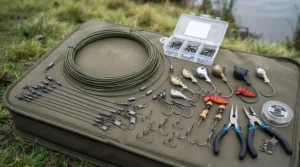
A soft plastic for pike is a flexible rubber or PVC lure — typically a shad, paddle tail, or jerkbait shape — mounted on a jig head or hook and worked through the water to imitate a wounded or fleeing baitfish. The single biggest factor separating an angler who catches consistently from one who doesn’t isn’t the lure itself; it’s whether it’s rigged correctly for the depth, current, and structure being fished, and whether the jig head weight matches the retrieve you’re actually trying to achieve.
This guide breaks down exactly how to rig soft plastics for pike, covers jig head size for pike soft plastics and jig head weight for pike soft plastic in proper detail, weighs up soft plastic vs hard lure for pike, explains when a Texas rig for pike fishing genuinely earns its keep, and looks honestly at whether a scented soft lure actually outfishes an unscented one. We’ve also pulled together seven real soft plastics and jig heads currently sold through amazon.co.uk, with honest analysis of where each one fits into your tackle box — not invented five-star hype, just grounded comparison based on real specs and genuine aggregated review sentiment.
Quick Comparison Table
| Product | Type | Best For | Price Range |
|---|---|---|---|
| Savage Gear 3D Hybrid Pike | Line-thru realistic swimbait | Big-water trophy hunting | £15-£25 range |
| Berkley Pulse Realistic Roach | Pre-rigged scented shad | Beginners wanting ready-to-fish setups | £10-£18 range |
| Abu Garcia Svartzonker McPrey Paddle Tail | Unrigged paddle tail (4-pack) | DIY jig head rigging | £8-£14 range |
| Fox Rage Micro Jig Heads | Jig head component | Precision-matching weight to depth | Under £8 |
| Fox Rage Bladed Jig 28g Pike | Bladed jig with silicone skirt | Coloured or coloured-stained water | £8-£14 range |
| Savage Gear Cannibal Shad Lure Kit | Starter kit (shads + jig heads) | New pike anglers building a soft plastic box | £12-£20 range |
| TRUSCEND Pre-Rigged Soft Lures | Budget pre-rigged swimbait | Casual sessions and back-up spares | Under £10 |
Scanning across this line-up, the split that matters most is between pre-rigged lures — ready to tie straight onto a trace — and unrigged shads that need pairing with a separate jig head, such as the Fox Rage Micro Jig Heads. Pre-rigged options like the Berkley Pulse Realistic Roach or TRUSCEND Pre-Rigged Soft Lures are the sensible starting point if you’re newer to lure fishing, while separate jig heads give experienced anglers far more control over sink rate, depth, and action once they know what a particular venue demands.
💬 Just one click — help others make better buying decisions too!😊
Top 7 Soft Plastics & Jig Heads for Pike: Expert Analysis
1. Savage Gear 3D Hybrid Pike — realistic swimbait built on an actual 3D scan
The Savage Gear 3D Hybrid Pike sits at the premium end of this round-up for good reason: it’s built from a genuine 3D scan of a real pike, which shows in the fine detail of the fin structure and skin texture rather than just the overall silhouette. The line-thru design threads the main line directly through the body rather than tying to a fixed hook eye, meaning a fighting fish can’t use the lure’s own bodyweight as leverage to throw the hooks — a small engineering detail that matters a great deal once a double-figure pike starts headshaking boatside.
Based on the spec sheet, the detachable tail system is the standout feature worth understanding before you buy: it ships with two interchangeable tail styles, a paddle tail for a tight, realistic swimming wobble and an oversized ribbon tail for calling fish from much greater distances in coloured water. What most buyers overlook is that this versatility effectively gives you two distinct presentations from a single lure body, which is a genuinely useful cost consideration when premium swimbaits like this typically retail well above budget shad packs. Reviewers consistently describe the swimming action as convincingly lifelike at slow to moderate retrieve speeds, though the trade-off of a soft, scent-infused body construction is that hook-damaged lures don’t always hold their shape for repeated repairs the way firmer PVC shads do.
Pros:
- ✅ Line-thru design prevents leverage during a fighting pike’s headshakes
- ✅ Two interchangeable tail styles in one lure body
- ✅ Scent-infused construction adds a genuine feeding trigger
Cons:
- ❌ Premium pricing compared with standard shad packs
- ❌ Soft body is less repairable after heavy hook damage
At around £15-£25 depending on size and colour, the Savage Gear 3D Hybrid Pike earns its place as the big-water, big-fish option in this line-up rather than an everyday budget workhorse.
2. Berkley Pulse Realistic Roach — pre-rigged, scented, and ready to cast
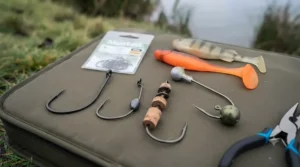
For anyone who wants to skip the rigging step entirely and get a line in the water fast, the Berkley Pulse Realistic Roach arrives pre-mounted on its own jig head, with a genuinely realistic roach profile and Berkley’s long-standing scent-infusion technology built into the body itself. Here’s what the spec sheet won’t tell you outright, but the design implies: pre-rigged shads like this remove one of the most common beginner mistakes — mismatching jig head weight to shad size — since the manufacturer has already balanced the two for a natural swimming action straight out of the packet.
On paper this means less flexibility than buying components separately, since you can’t easily swap the jig head weight without cutting the shad off entirely. What the aggregated review sentiment consistently highlights, though, is the lifelike roach colouration and profile, which several long-term users specifically credit with drawing more confident, committed strikes than plainer shad shapes in clear-water venues. For anglers still building confidence with lure fishing generally, removing the rigging guesswork from the equation is a genuinely sensible trade-off against the reduced customisation.
Pros:
- ✅ Pre-balanced jig head and body — no rigging guesswork needed
- ✅ Berkley’s scent-infusion technology built into the body
- ✅ Highly realistic roach profile favoured in clear water
Cons:
- ❌ Fixed jig head weight limits depth and retrieve flexibility
- ❌ Costs more per lure than buying components separately
Priced in the £10-£18 range, this is the sensible entry point for anyone who wants professional-grade rigging without learning the process from scratch first.
3. Abu Garcia Svartzonker McPrey Paddle Tail — unrigged shad built for DIY jig head pairing
Where the Berkley Pulse takes rigging off your plate, the Abu Garcia Svartzonker McPrey Paddle Tail hands it right back to you — deliberately. Sold as a four-pack of mixed-colour, unrigged soft plastic shads, this is the product for anglers who already understand jig head weight for pike soft plastic and want to fine-tune sink rate and action to a specific venue rather than accept a factory-set combination.
What most buyers overlook about buying unrigged shads separately is the long-term cost logic: a single jig head can be reused across multiple shad bodies as they wear out from pike teeth, whereas a pre-rigged lure is effectively disposable the moment the body gets shredded, even if the jig head underneath is still perfectly serviceable. Based on the spec comparison with pre-rigged alternatives, the McPrey’s tight paddle-tail kick produces a strong, consistent vibration at even slow retrieve speeds, which honest analysis suggests makes it a particularly effective choice for coloured water where pike are hunting more by lateral-line vibration than sight alone.
Pros:
- ✅ Reusable jig heads reduce long-term cost per fish caught
- ✅ Strong paddle-tail vibration effective in coloured water
- ✅ Mixed four-colour pack covers a range of light conditions
Cons:
- ❌ Requires a separately purchased jig head to fish
- ❌ Needs basic rigging knowledge to balance weight correctly
At roughly £8-£14 for a four-pack, this represents strong value once you factor in jig head reusability across multiple sessions.
4. Fox Rage Micro Jig Heads — precision component for matching weight to depth
No soft plastic rigging discussion is complete without addressing jig heads directly, and the Fox Rage Micro Jig Heads are a genuinely well-specified option for doing exactly that. Sold in packs of five across multiple hook sizes and weights, from roughly 2g up to 6g depending on the variant selected, these give you the granular control to match jig head weight for pike soft plastic precisely to the water column you’re targeting — light heads for shallow, weedy margins, heavier heads for getting a shad down quickly in deeper, faster-moving water.
The spec sheet’s real-world meaning here is straightforward but important: a super-sharp hook finish, as Fox Rage specifies on this range, matters disproportionately with pike because their bony mouth structure demands genuinely aggressive hook penetration on the strike, not just a sharp-looking point on the shelf. Reviewers consistently note the hook quality holds up well against the abrasive contact of pike teeth over multiple fish, though a common theme in feedback is that at the lightest 2g weight, the wire gauge is naturally finer and needs a slightly more measured hookset to avoid bending out on a big first run.
Pros:
- ✅ Wide weight range for precise depth and retrieve control
- ✅ Genuinely sharp hook finish suited to pike’s bony mouth
- ✅ Reusable across multiple soft plastic bodies over time
Cons:
- ❌ Lightest weights have finer wire, needing careful hooksets
- ❌ Sold separately from bodies, adding an extra purchase step
At under £8 for a pack of five, this is one of the cheapest ways in this round-up to genuinely upgrade your rigging precision.
5. Fox Rage Bladed Jig 28g Pike — self-contained jig for coloured and stained water
The Fox Rage Bladed Jig 28g Pike takes a different approach entirely: rather than pairing a plain jig head with a separate soft plastic trailer, it combines a jig head, a multi-strand silicone skirt, and an articulated blade into one self-contained package designed to be fished either alone or with a soft plastic trailer mounted on the main hook. The articulated blade is the standout feature here — it produces a genuinely different vibration and flash signature compared with a plain paddle-tail shad, which honest analysis suggests gives pike a different sensory trigger on days when they’ve become conditioned to seeing the same shad shapes repeatedly.
Based on the spec comparison with plain jig heads, the 28g weight puts this firmly in mid-to-deep water territory, and what most buyers overlook is that the blade’s added water resistance means it needs a genuinely stiffer rod tip to work it properly compared with a standard shad retrieve — a softer tip can struggle to transmit the blade’s vibration back to your hand clearly. This is best treated as a specialist rather than everyday lure: reach for it specifically in coloured or stained water where extra vibration and flash meaningfully outfish a subtler soft plastic presentation.
Pros:
- ✅ Combined blade and skirt add flash and vibration together
- ✅ Effective as a change-up lure once pike see shads regularly
- ✅ Solid 28g weight suits mid-to-deep coloured water
Cons:
- ❌ Needs a stiffer rod tip to transmit blade vibration well
- ❌ More specialist than an everyday, all-conditions lure
At around £8-£14, it’s a worthwhile addition to a tackle box specifically for coloured-water days rather than a first purchase for a beginner.
6. Savage Gear Cannibal Shad Lure Kit — complete starter kit with shads and jig heads included
If you’re building a soft plastic pike box from scratch, the Savage Gear Cannibal Shad Lure Kit solves the “what do I actually need” problem in one purchase. The kit ships with six shads across five colours — Lemon Cracker, Hot Olive, Motor Oil, Holo Baitfish, and Chartreuse Pumpkin — paired with appropriately sized jig heads, giving a genuinely broad spread of presentations for varying light and water clarity without requiring separate purchasing decisions on day one.
What most buyers overlook about starter kits like this is that the colour range itself functions as a built-in experimentation tool: rather than guessing which single colour to buy, you get five genuinely different profiles to test against your local venue’s water clarity and prevailing light conditions in a single session. Based on the spec sheet, the shads are designed for easy rigging onto the included jig heads, which honest analysis suggests removes much of the early friction that puts newcomers off soft plastic fishing in the first place. The trade-off, as with most multi-colour kits, is that you’ll likely favour two or three colours heavily and rarely reach for the rest.
Pros:
- ✅ Complete kit removes early buying-decision friction for beginners
- ✅ Five colours built in for testing water clarity and light
- ✅ Jig heads sized appropriately to the included shads
Cons:
- ❌ Some included colours will likely see little real use
- ❌ Individual shads are thinner than premium single-lure options
Priced around £12-£20 depending on kit size, this is genuinely strong value for anyone assembling their first proper soft plastic pike box.
7. TRUSCEND Pre-Rigged Soft Lures — budget pre-rigged swimbait for casual sessions
Rounding out this round-up is the TRUSCEND Pre-Rigged Soft Lures, a budget-friendly, ready-to-fish swimbait aimed at anglers who want a functional spare in the tackle box without a premium price tag attached. It ships pre-rigged with a jig head and, depending on variant, an added spinner or vibrating tail element, giving a reasonably lively presentation for the price point without requiring any rigging knowledge at all.
Based on the spec comparison with pricier pre-rigged alternatives like the Berkley Pulse, the trade-off here is fairly predictable: construction quality and realism sit a tier below premium options, and the soft plastic body is more prone to tearing after repeated pike strikes. What honest analysis of this price bracket generally suggests, though, is that budget pre-rigged lures like this earn their keep specifically as “confidence spares” — something to tie on quickly after losing a more expensive lure to a snag, rather than a primary go-to for every session. Reviewers in this category consistently frame value, rather than realism, as the main selling point, which is a fair and honest way to think about where this lure fits in a broader tackle box.
Pros:
- ✅ Genuinely low cost per lure for casual or backup use
- ✅ Fully pre-rigged, needing zero rigging knowledge
- ✅ Reasonable spare to replace snagged premium lures quickly
Cons:
- ❌ Body tears more readily under repeated pike strikes
- ❌ Realism and finish sit below premium alternatives
At under £10, the TRUSCEND Pre-Rigged Soft Lures are best treated as a sensible backup rather than your everyday go-to lure.
Top 7 Products: Full Spec Comparison
| Product | Rigging Type | Approx. Weight | Water Suited To | Best For |
|---|---|---|---|---|
| Savage Gear 3D Hybrid Pike | Line-thru pre-rigged | 40-60g | Deep, clear, big water | Trophy hunting |
| Berkley Pulse Realistic Roach | Pre-rigged jig head | 10-18g | Clear water | Beginner-friendly ready-rig |
| Abu Garcia Svartzonker McPrey | Unrigged (DIY) | Varies by jig head | Coloured water | Custom depth control |
| Fox Rage Micro Jig Heads | Component only | 2-6g | Shallow to mid-depth | Precision weight matching |
| Fox Rage Bladed Jig 28g | Self-contained jig | 28g | Coloured, stained water | Change-up presentation |
| Savage Gear Cannibal Shad Kit | Pre-rigged (included heads) | 3-20g range | Mixed conditions | Building a starter box |
| TRUSCEND Pre-Rigged Lures | Pre-rigged | 10-15g | Any, casual use | Budget backup lures |
Reading across this table, the clearest pattern is that weight range correlates directly with intended water depth and clarity — the lighter Fox Rage Micro Jig Heads suit shallow, weedy margins where a slow fall matters, while the heavier Savage Gear 3D Hybrid Pike and Fox Rage Bladed Jig are built for getting down quickly in deeper or coloured water. If you’re only buying one system to start with, pairing the Abu Garcia Svartzonker shads with a range of Fox Rage Micro Jig Heads gives the broadest practical coverage across depths without committing to multiple specialist products.
Step-by-Step: How to Rig Soft Plastics for Pike
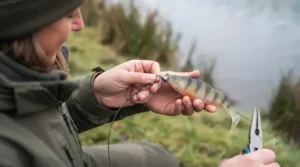
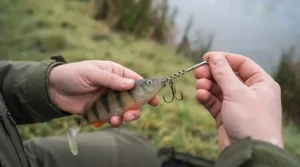
Start by threading the jig head hook point into the nose of the soft plastic body, pushing it through roughly a centimetre before bringing the point back out through the belly, so the hook eye sits flush against the lure’s nose — this keeps the profile streamlined and avoids the shad kinking sideways on the retrieve. For paddle-tail shads specifically, take a moment to check the tail is hanging perfectly straight before you tighten everything up; a twisted tail is one of the most common reasons a soft plastic fails to swim correctly, and it’s an easy thing to miss in low light at the water’s edge.
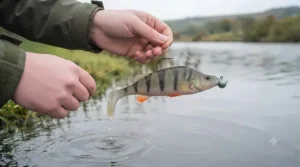
Always attach your rig to a wire trace rather than straight line or fluorocarbon — the Pike Anglers’ Club of Great Britain is unambiguous that hooks and bait must always be mounted on a wire trace when targeting pike, since their teeth will cut through anything else in seconds. Once the trace is attached, do a quick “wobble test” boatside or at the water’s edge: dip the rigged lure in and gently pull it through the water by hand to confirm it swims true, rather than discovering a rigging fault three casts into a session.
A common mistake in the first thirty days of soft plastic fishing is rigging every lure at the same depth regardless of where you’re actually casting — vary your jig head weight deliberately as you move between swims, going lighter over weed and structure, heavier in open, deeper water. Finally, inspect the hook point after every take or snag; pike’s bony mouth and any contact with gravel or structure will dull a hook point faster than most anglers expect, and a genuinely sharp point is one of the biggest single factors separating solid hookups from lost fish.
Which Rig Suits Your Water? Three Real Scenarios
The weedy margin angler: if you’re working shallow, snaggy margins where pike ambush from cover, go light — a 2-3g Fox Rage Micro Jig Head paired with a compact paddle tail lets the lure fall slowly through the water column without immediately burying into weed on the drop, giving pike more time to react to a natural, hovering presentation.
The deep, clear reservoir angler: big, open water with genuine depth calls for something that gets down fast and stays visible at range, which is exactly where the Savage Gear 3D Hybrid Pike‘s heavier build and realistic profile earns its premium price tag — pike in clear, deep water often get a longer, more considered look at a lure before committing, and realism matters more here than almost anywhere else.
The coloured canal or river angler: when visibility drops to a metre or less, vibration and flash outperform pure realism every time, which is precisely the gap the Fox Rage Bladed Jig 28g Pike is built to fill — its blade gives pike something to detect through lateral-line sensing even when they genuinely can’t see the lure clearly.
Quick Decision Framework: Which Soft Plastic Rig Should You Use?
If you’re fishing shallow, weedy margins, choose a light jig head under 5g, because a slow, hovering fall keeps the lure in the strike zone longer without snagging. If you’re fishing deep, clear water, choose a heavier, more realistic swimbait, because pike get a longer look and reward genuine detail over flash. If visibility is poor or the water’s genuinely coloured, choose a bladed or vibrating presentation over a plain shad, because vibration reaches pike that simply can’t see well enough to strike on sight alone. If you’re new to lure fishing altogether, choose a pre-rigged option first, because removing the rigging variable lets you focus on retrieve speed and location instead. And if cost matters most across a long season, invest in reusable jig heads and separate shad bodies, because the jig head survives long after any individual soft plastic body has been chewed to pieces.
What Is a Soft Plastic Lure for Pike?
A soft plastic lure for pike is a flexible rubber or PVC bait — usually shaped as a shad, paddle tail, or jerkbait — mounted on a jig head or hook and worked through the water to imitate an injured or fleeing baitfish. Unlike hard lures, soft plastics rely on genuinely lifelike material movement rather than mechanical diving lips or rattles to trigger a strike.
Jig Head Size and Weight for Pike Soft Plastics
- Match weight to water depth first. As a rough starting point, use roughly 1g of jig head weight per foot of water depth in calm conditions, adjusting up in current or wind.
- Consider retrieve speed, not just depth. A heavier head fished slowly can still fall too fast for a hovering presentation; weight and retrieve speed work together, not independently.
- Size the hook to the shad, not the fish. A hook that’s too large for the soft plastic body will tear through on the cast; too small, and hooksets on big pike become unreliable.
- Favour lighter heads over weed and snags. A slower fall gives you more reaction time to lift the rig away from cover before it buries in.
- Go heavier in current or wind. Both will sweep a light jig head off course before it reaches the depth you’re targeting.
- Check wire gauge on very light jig heads. The lightest heads, like the 2g Fox Rage Micro Jig Heads, use finer wire that needs a measured hookset rather than a violent strike.
- Keep a weight range in your box, not one size. Most experienced pike anglers carry jig heads across at least three or four weights to adapt to changing swims within a single session.
Texas Rig Pike Fishing: How and When to Use It
A Texas rig — where the hook point is buried back into the soft plastic body rather than left exposed — is more commonly associated with bass fishing than pike, but it has a genuine, specific place in a pike angler’s toolkit: fishing genuinely snag-heavy, weedy, or timber-strewn swims where an exposed hook point would catch on every retrieve. Because the point sits protected inside the body, a Texas-rigged soft plastic can be worked through cover that would otherwise be completely unfishable with a standard exposed jig head.
The trade-off, and it’s a significant one for pike specifically, is hookset reliability: a buried hook point needs a genuinely firm, deliberate hookset to punch back out through the soft plastic body and into a pike’s bony mouth, which is a different technique from the more instinctive strike-and-reel approach that works with an exposed jig hook. Combined with pike’s naturally aggressive bite-down response, a properly executed Texas rig hookset with a wire trace can absolutely work, but it demands more deliberate technique than beginners typically expect, and it’s worth practising the hookset motion on a snag-free stretch before relying on it in genuinely fish-holding cover.
Soft Plastic vs Hard Lure for Pike
Soft plastics and hard lures solve genuinely different problems, and the honest answer to “which is better” is that neither wins outright — they’re suited to different conditions and different pike moods. Hard lures, whether crankbaits, jerkbaits, or spoons, offer built-in, mechanically consistent action straight out of the packet and often cast further for their weight, which matters on big, open reservoirs. Soft plastics offer a more lifelike material feel and mouth-feel on the take, which several aggregated review sources and experienced anglers report leads to pike holding on for a beat longer before you feel the take, giving a slightly wider window to set the hook.
| Factor | Soft Plastic | Hard Lure |
|---|---|---|
| Material feel | Lifelike, flexible | Rigid |
| Casting distance | Moderate | Often greater |
| Rigging effort | Sometimes required | None (ready to fish) |
| Cost per lure | Generally lower | Generally higher |
| Best in pressured waters | Often excels | Can become “known” faster |
What this table doesn’t fully capture is how pike behaviour shifts across a season: hard lures with rattles and vibration tend to draw more reaction strikes in cold, sluggish conditions when pike are less inclined to chase, while soft plastics’ subtler, more natural presentation often edges ahead once water warms and pike become more deliberate, considered feeders. Many experienced anglers simply carry both and let the day’s conditions, rather than personal preference, dictate the choice.
Best Scented Soft Lure for Pike: Does Scent Actually Matter?
Scent-infused soft plastics, such as the Berkley Pulse Realistic Roach featured above, use built-in flavour and scent compounds designed to encourage a pike to hold onto the lure fractionally longer once it strikes, rather than immediately spitting out something that doesn’t taste or feel right. Based on the spec comparison with unscented alternatives, the honest analytical position is that scent almost certainly doesn’t drive pike to strike in the first place — pike hunt primarily by sight and lateral-line vibration — but it does appear, based on aggregated angler reports, to meaningfully improve hook-up ratios by buying an extra half-second of confident hold before the fish realises something’s wrong.
What most buyers overlook is that this half-second matters disproportionately with pike specifically, since their explosive strike-and-release habit on unconvincing prey is a genuinely common cause of missed hooksets that anglers often misattribute to poor technique rather than the lure itself. For anglers fishing pressured, heavily-fished waters where pike have grown wary of standard presentations, a scented option is a reasonable, low-cost way to marginally improve hook-up consistency — though it should be treated as a refinement on top of correct rigging and retrieve, not a substitute for either.
Common Mistakes When Rigging Soft Plastics for Pike
The most frequent mistake is using a single jig head weight for an entire session regardless of changing depth or cover, which leaves a lure either snagging constantly in shallow water or never reaching the strike zone in deeper swims. A second common error is skipping the wire trace, or using one that’s too short or too light for the fish being targeted — pike’s teeth will cut through anything less in a single take. Anglers also frequently neglect hook sharpness, assuming a fresh-from-the-packet jig head stays sharp indefinitely, when contact with structure, gravel, and repeated pike strikes dulls a point faster than most people expect. Finally, many overlook checking the soft plastic’s swim action before casting, only discovering a twisted tail or misaligned rigging after several fruitless retrieves that could have been avoided with a ten-second check at the water’s edge.
Safety, Handling & Legal Requirements for UK Pike Anglers
Anyone aged twelve or over fishing for coarse fish including pike in England and Wales needs a valid rod fishing licence, which you can purchase directly through the GOV.UK rod licence service; fishing without one can result in prosecution regardless of how experienced an angler you are. Beyond the legal requirement, safe handling matters enormously for pike specifically: the Pike Anglers’ Club of Great Britain recommends always carrying a long pair of forceps and unhooking a pike over a padded mat with the fish on its back, gripping carefully under a gill plate while keeping fingers well clear of the hook points.
Warm-water sessions deserve particular caution, since pike recover poorly from exertion when oxygen levels in the water are low during summer heat. The Pike Anglers’ Club specifically advises minimising time out of the water in warm conditions, unhooking in the net where possible, and carrying cutters to cut hooks free rather than prolonging a struggle with a deeply-hooked fish. None of the rigging advice in this guide is worth much if the fish doesn’t swim away healthy afterward, so treat careful handling as every bit as essential as getting the rig itself right.
Long-Term Cost & Tackle Maintenance
Buying jig heads and soft plastic bodies separately, rather than relying entirely on pre-rigged lures, carries a genuine long-term cost advantage: a single well-made jig head like the Fox Rage Micro Jig Heads can outlast several soft plastic bodies as pike teeth gradually shred each one, meaning the ongoing cost per fish caught drops steadily the more sessions you fish. Pre-rigged options like the TRUSCEND Pre-Rigged Soft Lures trade that long-term saving for upfront convenience, which is a perfectly reasonable choice for occasional or casual anglers but adds up over a full season of regular fishing.
Maintenance itself is minimal but genuinely worth building into a routine: rinse jig heads and hooks in fresh water after any session in weedy or silty venues to prevent corrosion building up on the hook point, and store soft plastic bodies away from direct sunlight, since UV exposure gradually stiffens and cracks the material over time. A hook sharpener kept in the tackle box costs next to nothing and meaningfully extends the working life of every jig head you own, paying for itself many times over across a season.
Frequently Asked Questions
❓ What size jig head should I use for pike soft plastics?
❓ Do I need a wire trace when fishing soft plastics for pike?
❓ Is a Texas rig good for pike fishing?
❓ Are scented soft plastics worth it for pike?
❓ What's better for pike, soft plastic or hard lures?
Conclusion
Learning how to rig soft plastics for pike properly comes down to a small handful of decisions repeated consistently: matching jig head weight to the depth and cover you’re actually fishing, always running a wire trace, checking your lure’s swim action before it hits the water, and keeping hook points genuinely sharp throughout a session. Get those fundamentals right and the choice between a premium swimbait like the Savage Gear 3D Hybrid Pike and a budget starter option like the Savage Gear Cannibal Shad Lure Kit becomes far less important than the rigging discipline behind either one.
Whichever products you choose to build your box around, remember that a soft plastic rig is only as good as the trace, hookset, and handling that surround it — none of the seven options above will out-fish careless rigging or a blunt hook point. Take the time to test your swim action at the water’s edge, carry a genuine spread of jig head weights, and treat every landed pike with the careful, quick handling the species deserves.
Recommended for You
- Soft Plastic Lures for Pike: 7 Best Picks for UK Anglers 2026
- Jerkbait vs Swimbait for Pike: 7 Best Lures for 2026
- Best Jerkbaits for Pike: 7 Proven Lures Ranked for 2026
Disclaimer: This article contains affiliate links. As an Amazon Associate, I earn from qualifying purchases. If you purchase products through these links, we may earn a small commission at no additional cost to you.
✨ Found this helpful? Share it with your friends! 💬🤗
