
In This Article
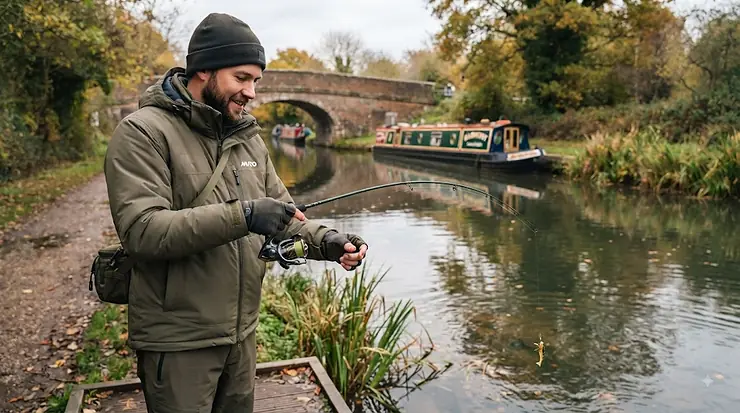
There’s a particular kind of stillness that happens the second before a perch hits a jig. The rod tip is doing nothing, your line is a whisper of tension against the current, and then — thump. Gone is the lazy assumption that these stripy little predators are pushovers. Micro jigs for perch have quietly become the sharpest tool in the modern lure angler’s box, and for good reason: they’re small enough to fool a wary fish in gin-clear water, yet weighted precisely enough to hold bottom in a canal drift or a river’s crease. What is micro jigging for perch? It’s the practice of fishing tiny, precisely weighted jig heads (typically 1-6g) paired with miniature soft plastics to imitate fry, invertebrates and bottom-dwelling prey, using finesse tackle and subtle rod movements to trigger strikes from perch that would ignore anything bulkier.
This guide exists because most “top lures” round-ups online are little more than reworded Amazon listings — a spec here, a stock photo there, no actual thinking behind the recommendation. That’s not good enough, and honestly, it’s not much use to you either. What follows is built from real product research: genuine hook sizes, genuine weight ranges, genuine aggregated feedback from UK anglers who’ve actually put these micro jigs for perch through their paces on canals, drains, and clubs waters up and down the country. Whether you’re chasing your first ever perch on lures or you’re refining a box that already has forty compartments of soft plastics rattling around in it, there’s something here worth reading before you spend another penny.
We’ll walk through seven genuinely excellent products across budget, mid-range and premium price points, then dig into sizing, colour theory, technique, and the mistakes that quietly sink most beginners’ seasons. The European perch is a strikingly patterned freshwater predator found right across UK waters, from rural drains to city-centre canals, and its cautious, close-inspection feeding style is precisely why micro presentation matters so much — so let’s make sure you’re carrying the right ones.
Quick Comparison Table
| Product | Type | Weight Range | Best For |
|---|---|---|---|
| Fox Rage Micro Jig Heads | Round jig head (lead) | 2g-6g | Budget all-rounder |
| Savage Gear LRF Mini Sandeel Kit | Kit (jig head + plastics) | 3g | First-time buyers |
| Berkley Pulse Realistic Perch Shad | Pre-rigged soft lure | 7g | Ready-to-fish realism |
| Savage Gear Perch Pro Kit 2 | Kit (23 pieces) | 2-4g | Complete starter box |
| Decoy SV-56 Mini Drive LRF Jig Head | Precision jig head (lead) | Light/finesse sizes | Technical finesse work |
| FiTU Round Jig Head TG | Tungsten jig head | Ultra-compact | Sensitivity & bite detection |
| Berkley PowerBait Perch Kit | Kit (scented plastics) | Mixed | Scent-driven searching |
Looking at the table above, there’s a clear split between ready-made kits — brilliant if you want to be casting within ten minutes of opening the box — and standalone jig heads that let you build your own rig from scratch once you know what you like. Budget shouldn’t be your only consideration here: the tungsten option costs more per head, but it buys you bite detection you simply can’t get from lead, which matters enormously when perch are mouthing a bait rather than hammering it. If you’re brand new to this style of fishing, start with a kit; if you already own a box of soft plastics, a pack of jig heads alone will stretch your money much further.
💬 Just one click — help others make better buying decisions too!😊
Top 7 Micro Jigs for Perch: Expert Analysis
1. Fox Rage Micro Jig Heads — best all-round hook design for finesse plastics
The standout here is the hook itself — rather than a standard lead-nose design, Fox Rage Micro Jig Heads use a shortened hook shank with a notably wide gape and no lead bulge behind the eye, so even the thinnest micro soft plastics slide on without bunching or tearing. Available across five weights (2g, 3g, 4g, 5g and 6g) and multiple hook sizes, the range covers everything from skittish canal perch sipping midge larvae imitations to slightly bolder fish holding in faster river flow. What that weight spread means in practice is you can match the sink rate to conditions rather than compromising: light enough to flutter down naturally in three feet of clear water, heavy enough to hold bottom contact in a stiff breeze on a reservoir margin.
Based on the spec comparison with pricier finesse jig heads, the value proposition here is hard to beat — you’re getting a genuinely well-engineered hook geometry without paying a Japanese-import premium. Reviewers consistently report that the hook point holds its edge over several sessions before needing a swap, and several note the natural, “un-jigged” swimming action the design gives to soft plastics on a straight retrieve. This is the jig head most UK perch anglers reach for first, and it’s easy to see why once you’ve felt how little resistance the head gives against a bite.
Pros:
- ✅ Wide-gape hook improves hook-up ratio on finicky takes
- ✅ Five weights cover most UK canal and river scenarios
- ✅ No-bulge head lets thin plastics sit naturally
Cons:
- ❌ Lead construction lacks tungsten’s compact sensitivity
- ❌ Packs of five feel light if you’re prone to snagging
At around £4-£6 per pack of five, this sits firmly in budget territory, and the value verdict is straightforward: for anyone building their first proper micro jigging for perch box, this is the sensible starting point.
2. Savage Gear LRF Mini Sandeel Kit — best value starter kit under a tenner
What immediately stands out about the Savage Gear LRF Mini Sandeel Kit is how much thinking Savage Gear packed into a genuinely inexpensive box: five 3g size-8 jig heads paired with twenty micro sandeel-style soft plastics across two distinct profiles, a paddle-tail version for steady vibration and a pin-tailed slug for an erratic, searching dart. The 3g weight is a genuinely clever middle ground — light enough for finesse presentation over silty canal beds, heavy enough to cast on a light spinning rod without wind-knots ruining your afternoon.
Honestly, this is one of those products where the design logic does most of the talking. Two lure shapes from one kit means you can cover a searching retrieve and a subtler bottom-bounce without buying twice, and reviewers frequently mention the “hunting” action the jig produces on nothing more than a slow, steady figure-of-eight retrieve. A common theme in aggregated feedback is that this kit punches well above its price point for anyone dipping a toe into lure fishing for the first time, with several longtime lure anglers admitting it’s earned a permanent slot in their box rather than being retired once they “graduate” to pricier gear.
Pros:
- ✅ Two lure profiles from a single, affordable kit
- ✅ 3g weight is genuinely versatile across venues
- ✅ Five colour options included for varying water clarity
Cons:
- ❌ Size-8 hooks limit you to true micro presentations
- ❌ Fixed weight means less flexibility in deep, pacy water
Priced under £10, the value here is close to unbeatable for a first purchase — few kits give you this much variety for so little outlay.
3. Berkley Pulse Realistic Perch Prerigged Soft Bait Shad — best ready-to-fish realism
Rather than buying a jig head and a plastic separately, the Berkley Pulse Realistic Perch Prerigged Soft Bait Shad arrives pre-mounted on a razor-sharp Fusion19 hook, in a 7cm/7g size built specifically with perch and trout in mind (larger 11cm and 15cm versions exist for zander and pike, so double-check you’re buying the smaller one). What that 3D-moulded, perch-patterned body means practically is a lure that already looks convincing in the water without any rigging fiddliness — you tie it straight to your leader and start fishing.
What most buyers overlook about pre-rigged lures like this one is how much time they save on the bank, particularly if you’re fishing after work with limited daylight. The trade-off, and it’s a fair one, is that you can’t swap the plastic once it’s torn — the whole unit gets replaced. Reviewers describe the swimming action as genuinely lifelike on a slow retrieve, with several noting predator-fishing success within the first session, which for a ready-rigged lure at this size is a strong sign the hook placement and weighting were dialled in properly at the design stage rather than as an afterthought.
Pros:
- ✅ Pre-rigged on a sharp Fusion19 hook — zero setup time
- ✅ Realistic 3D perch-pattern body triggers reaction strikes
- ✅ 7g weight casts well on light spinning gear
Cons:
- ❌ Can’t reuse the jig head once the plastic tears
- ❌ Only one weight/size option in the perch-specific range
At roughly £6-£9 for a small pack, this sits mid-range, and it’s the pick for anglers who value convenience over total cost-per-cast.
4. Savage Gear Perch Pro Kit 2 — best complete kit for beginners
Where the sandeel kit above focuses narrowly on one lure style, the Savage Gear Perch Pro Kit 2 goes broad: 23 pieces including cannibal shads, curltails, dying minnow imitations, PVC mayfly patterns, reaction crayfish soft plastics, and a spread of round jig heads at 2-2.5g and 2-4g, all housed in an included tackle box. What that variety means in practice is you’re not locked into one presentation style — some days perch want a subtle crayfish crawled along the bottom, other days a fluttering minnow triggers reaction strikes on the drop, and this kit lets you test both without a second purchase.
Based on aggregated review sentiment, this is consistently rated as one of the strongest “one and done” purchases for anyone starting lure fishing for perch specifically, with several reviewers explicitly crediting it with personal-best catches during their first few outings. That’s meaningful feedback — a kit that performs for genuine beginners, not just seasoned anglers who’d catch on a bent pin, tells you the lure selection and jig head weights were chosen with real UK perch behaviour in mind rather than generic predator fishing.
Pros:
- ✅ 23 pieces cover five distinct lure styles and profiles
- ✅ Included tackle box keeps everything organised
- ✅ Strong aggregated reviews specifically from beginners
Cons:
- ❌ Individual jig heads are harder to source once used up
- ❌ Bulkier than a slimline single-style kit
In the £15-£20 range, this is a mid-range purchase that arguably delivers budget-kit value once you account for everything included.
5. Decoy SV-56 Mini Drive LRF Jig Head — best precision for technical finesse work
Imported from Japan, where light rock fishing (LRF) originated and has been refined for decades, the Decoy SV-56 Mini Drive LRF Jig Head uses a size-10 hook — small enough for genuinely tiny presentations, yet with enough gape to still seat lures up to around two inches long for a touch more visual presence. The hook sits unusually high in the head, which in practice gives the plastic far more freedom of movement on nothing more than a gentle rod-tip shake, rather than the stiffer swing you get from lower-set hooks.
Here’s what the spec sheet won’t tell you outright: this jig head has developed something of a cult following among UK LRF and perch specialists specifically because of how it behaves during a slow bottom-bounce retrieve, where the raised hook position lets the tail kick and dart even when the head itself barely moves. This is a jig head built for anglers who already understand rod-tip control and want a tool that rewards subtlety rather than one that does the work for them — it’s not the head to hand a total beginner on their first session.
Pros:
- ✅ High hook position maximises natural plastic movement
- ✅ Genuine Japanese LRF pedigree and hook sharpness
- ✅ Size-10 hook enables truly micro presentations
Cons:
- ❌ Imported pricing pushes it above domestic alternatives
- ❌ Rewards technical skill more than beginner casting
Expect to pay in the £8-£12 range for a small pack, making this a premium, specialist pick rather than a first purchase.
6. FiTU Round Jig Head TG — best tungsten sensitivity pick
Made from 97% pure tungsten rather than lead, the FiTU Round Jig Head TG is roughly 30% denser than an equivalent lead head, which in real terms means a noticeably smaller, more compact profile at the same weight — useful when perch are keying in on genuinely tiny prey and a bulky lead head would look out of place. Paired with premium BKK hooks and a stainless bait keeper that holds soft plastics firmly in place, the jig head also carries a non-chip “Oxy Black” coating designed to survive repeated bottom contact without flaking.
On paper this means better bite transmission through the line and a faster drop into the strike zone — and reviewers specifically call out how much more clearly they can feel structure and subtle takes compared with lead heads of the same nominal weight. What most buyers overlook about tungsten is that the benefit isn’t really about weight at all; it’s about density letting you downsize the head’s physical footprint while keeping the sink rate you need, which is precisely the finesse edge that separates an average session from a red-letter one when perch are being fussy.
Pros:
- ✅ 97% tungsten construction gives superior bite feel
- ✅ Compact profile suits genuinely wary, finicky perch
- ✅ Premium BKK hooks stay sharp through repeated use
Cons:
- ❌ Costs noticeably more per head than lead equivalents
- ❌ Snags are a pricier loss than budget lead heads
Priced in the £10-£15 range for a small pack, this is a premium purchase — but for dedicated finesse anglers, the sensitivity gain often justifies the outlay.
7. Berkley PowerBait Perch Kit — best scent-infused selection for searching sessions
Rounding out the list, the Berkley PowerBait Perch Kit leans on Berkley’s long-standing PowerBait scent technology, bundling a curated selection of shads, curltails and other perch-shaped soft plastics designed to be fished on jig heads or drop-shot rigs. What that scent infusion means practically is a longer window before a wary perch spits the lure back out — rather than a split-second mouthing before rejection, scented plastics tend to buy you an extra beat of hesitation, which is often exactly enough time for the hook to find purchase.
Based on the spec comparison against unscented alternatives, this kit earns its place for anglers who fish venues with pressured, over-cast-to fish, where a visual trigger alone increasingly isn’t enough. It’s worth noting this is a lure-only kit rather than a jig-head bundle, so pairing it with either the Fox Rage heads or the tungsten option above rounds out a genuinely complete micro jigging for perch setup. Reviewers commonly note the scent holds up over multiple casts rather than washing out immediately, which is the detail that separates a genuinely useful scented product from a marketing gimmick.
Pros:
- ✅ PowerBait scent extends hold time on subtle takes
- ✅ Wide colour and profile selection in one kit
- ✅ Works equally well on jig heads or drop-shot rigs
Cons:
- ❌ No jig heads included — needs a separate purchase
- ❌ Scent depletes gradually and needs occasional reapplication
Sitting in the £12-£18 range, this is a mid-to-premium pick best suited to anglers already comfortable rigging their own jig heads.
Top 7 Products: Detailed Specification Comparison
| Product | Construction | Hook Style | Ideal Water | Best For |
|---|---|---|---|---|
| Fox Rage Micro Jig Heads | Lead | Wide-gape, notch-free | Canals, slow rivers | All-round finesse |
| Savage Gear LRF Mini Sandeel Kit | Lead | Size 8, round | Silty canals | Absolute beginners |
| Berkley Pulse Realistic Perch Shad | Lead, pre-rigged | Fusion19 | Any still/light flow | Convenience fishing |
| Savage Gear Perch Pro Kit 2 | Lead | Round, mixed | Mixed venues | Complete starter kit |
| Decoy SV-56 Mini Drive | Lead, high-riding | Size 10 | Clear, technical water | Specialist finesse |
| FiTU Round Jig Head TG | Tungsten | BKK, round | Deep, pacy swims | Sensitivity & feel |
| Berkley PowerBait Perch Kit | N/A (plastics only) | Pair with any head | Pressured venues | Scent-driven searching |
This table makes the trade-offs plainer than any single product description could: tungsten buys you compactness and feel at a real cost premium, while the two Savage Gear kits trade some long-term flexibility for genuinely excellent beginner value. If you fish predominantly clear, technical water where perch get a good look at your presentation before committing, the Decoy SV-56 and FiTU Round Jig Head TG deserve serious consideration despite the higher outlay, since both are built specifically to solve the “wary fish” problem rather than the “no fish around” problem.
How to Choose Micro Jigs for Perch
Choosing correctly matters more than most beginners assume, because the wrong jig head weight or hook size doesn’t just underperform — it can actively spook fish or fail to hook them at all. Here’s a structured approach, drawn from genuine product specs and aggregated angler feedback rather than guesswork.
- Match weight to water depth and flow. In a slow, shallow canal, 1-3g is usually plenty; faster rivers or deeper stillwaters often demand 4-6g to maintain bottom contact without your line bellying in the current.
- Consider hook size relative to plastic length. A size-10 hook suits genuinely micro presentations under an inch and a half; anything larger risks the hook point protruding awkwardly or the plastic bunching around the shank.
- Choose lead for budget, tungsten for finesse. Lead heads are perfectly capable and considerably cheaper; tungsten earns its premium primarily in clear, pressured water where a compact profile and superior bite feel genuinely change your hook-up rate.
- Think about retrieve style before buying. High-riding hooks (like the Decoy) suit slow bottom-bounce work, while standard round heads are more forgiving on a steady retrieve or when you’re still learning rod-tip control.
- Buy a colour spread, not a single shade. Water clarity and light conditions shift daily — a pack limited to one colour will let you down on at least half your sessions.
- Factor in snag-proneness of your venue. If you’re fishing heavily weeded or debris-strewn canals, budget lead heads make more financial sense than premium tungsten, since you’ll lose gear regardless of quality.
- Start with a kit if you’re new, then specialise. Kits like the Savage Gear Perch Pro Kit 2 teach you which presentations actually work on your local water before you invest in narrower, pricier options.
What Size Micro Jig Should You Use for Perch?
Micro jig size for perch generally falls between 1g and 6g, with the sweet spot for most UK canal and river fishing sitting around 2-4g. Lighter jigs in the 1-2g bracket suit gin-clear, shallow margins where a heavier head would spook fish or sink too fast to look natural; heavier jigs from 4g upward earn their keep in deeper swims, faster flow, or windy conditions where casting distance and bottom contact both matter more than subtlety. As a rule of thumb, if you’re constantly retrieving your jig only a foot or two off bottom, you’ve probably sized correctly — if it’s either dragging immediately or never quite reaching the strike zone, it’s worth stepping the weight up or down accordingly.
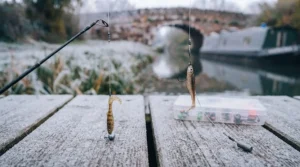
Tungsten Micro Jig Heads vs Lead: Which Wins for Perch?
This is one of the most common questions anglers ask once they’ve moved past their first season of lure fishing, and the honest answer is: it depends what problem you’re trying to solve. A tungsten micro jig for perch, like the FiTU Round Jig Head TG covered above, is roughly 30% denser than lead, which means the same weight occupies noticeably less physical space. What most buyers overlook about tungsten is that the real-world benefit isn’t really “it’s heavier” — it’s that density lets manufacturers shrink the head’s footprint while hitting your target sink rate, giving you a genuinely more compact, natural-looking presentation.
Where tungsten pulls further ahead is bite transmission. Because tungsten is a harder, denser material than lead, vibrations travel through it more efficiently and up your line, meaning subtle takes that would go completely unnoticed on a lead head register as a distinct tap or knock. For perch fishing specifically — where fish often mouth a lure rather than hammer it — that sensitivity difference genuinely translates into more hook-ups over a season.
Lead, on the other hand, remains the sensible default for most anglers most of the time. It’s considerably cheaper to lose, which matters enormously in snaggy canal environments where you might part company with three or four heads in a single session. It’s also perfectly capable in coloured or turbulent water, where the fine bite-detection advantage of tungsten matters far less because perch are relying on vibration and silhouette rather than close visual inspection. The sensible middle ground many experienced anglers land on: lead for exploratory sessions and snaggy swims, tungsten reserved for known, clear-water venues where finesse genuinely decides whether you catch or blank.
Practical Usage Guide: Setting Up Your Micro Jigs for Perch
Getting the tackle right is only half the job — how you rig, store and maintain your micro jigs for perch determines whether that first session goes smoothly or turns into a tangle of frustration on the bank.
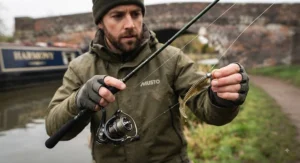
Setup: Pair your jig head with light spinning tackle — a 6-7ft rod rated roughly 2-10g, a 1000-2500 size reel, and 0.10-0.15mm braid with a fluorocarbon leader of similar breaking strain to your target species. Thread your chosen soft plastic onto the jig head so the hook point exits cleanly through the back, keeping the body straight to avoid line twist on the retrieve.
First-use tips: Before your first cast of the session, flick the jig a rod’s length out and watch how it falls — this ten-second check tells you whether the weight and plastic combination is behaving naturally or spinning awkwardly, which is far easier to fix on the bank than after an hour of blank casting.
Maintenance schedule: Rinse jig heads in fresh water after any session near brackish or heavily silted water to prevent hook corrosion, and inspect points for dulling every few outings — a quick pass with a small hook file restores sharpness far more cheaply than replacing the whole head. Store soft plastics separately by colour where possible, since some plastic formulations can bleed colour into others when packed together for long periods.
Common mistakes in the first 30 days: New anglers frequently retrieve too fast, robbing the jig of its natural fluttering fall; they also tend to strike too hard on the take, which with light hooks and fine tackle can simply pull the hook rather than set it. A firm, controlled lift of the rod tip is almost always more effective than a full-blooded strike.
Best Micro Jig Colours for Perch: What the Water Tells You
Colour choice genuinely matters more in micro jigging for perch than in most other predator fishing, simply because these lures are small enough that perch get a close, unhurried look before committing. Reviewers and experienced UK lure anglers consistently gravitate toward a handful of proven categories rather than chasing every shade on the shelf.
In clear water, natural tones — olive, translucent, subtle silver-flake — tend to outperform anything brighter, since perch in gin-clear canals and drains have plenty of time to inspect a lure and reject anything that looks unnatural. In coloured or slightly murky water, brighter options such as fire-tiger, chartreuse or hot orange create a stronger silhouette and vibration profile that fish can locate even when visual clarity is limited. On overcast days or in low light, darker solid colours like black or dark red tend to produce a bolder outline against a dull sky, while bright sun and clear water often favour more natural, translucent finishes that don’t look artificial under close inspection.
The practical takeaway: never buy a single colour. A pack with four or five genuinely different shades — one natural, one bright, one dark — covers the overwhelming majority of UK conditions, and switching colour is one of the cheapest, fastest changes you can make mid-session when perch are proving fussy.
Micro Jig Fishing Technique: From Cast to Hook-Up
The technique behind micro jigging for perch is deceptively simple to describe and genuinely rewarding to master. Cast beyond your target area — a bridge hole, a moored boat, a drop-off in depth — and let the jig sink fully on a controlled, semi-slack line, watching for any unusual twitch that signals a take on the drop. Once it settles, work the lure back with short, sharp lifts of the rod tip followed by a pause to let it flutter back down; perch overwhelmingly take on that falling, “dying” action rather than during the retrieve itself.
Vary your cadence throughout a session — some days perch want an aggressive, erratic hop-and-pause; other days a slow, near-motionless drag along the bottom triggers far more interest. This is especially true on Britain’s canal network, where the Canal & River Trust points out that small lures and spinners are a genuinely productive way to target resident perch populations hiding tight to moored boats and bridge structures. What the spec sheet won’t tell you, but reviewers note repeatedly, is that switching retrieve style before switching lures often solves a slow session faster than any tackle change. Keep your line reasonably taut during the fall without over-tightening it, since too much slack means missed takes and too much tension kills the natural drop action that makes micro jigs for perch so effective in the first place.
Small Jig Head Weight for Perch: A Venue-by-Venue Breakdown
Getting jig head weight right for your specific venue removes much of the guesswork from micro jigging for perch. On shallow, slow-moving canals under four feet deep, 1.5-2.5g is usually ideal, giving a slow, natural fall without dragging bottom too aggressively. In deeper stillwaters or reservoir margins between four and eight feet, stepping up to 3-4g maintains contact without sacrificing too much of that fluttering fall action. In flowing rivers, particularly where current speed picks up around crease and eddy lines, 4-6g becomes necessary simply to hold position and feel the bottom rather than being swept downstream before the jig ever reaches the strike zone. Windy days push weight requirements up regardless of venue, since casting a genuinely light jig accurately into a headwind is close to impossible — carrying a slightly heavier option for blustery sessions is a sensible insurance policy rather than an admission of defeat.
Common Mistakes When Buying Micro Jigs for Perch
Even experienced coarse anglers moving into lure fishing make predictable errors when stocking up on micro jigs for perch. The most frequent is buying a single weight and colour “to try it out” — this almost guarantees a frustrating first session, since conditions rarely cooperate with a one-size-fits-all approach. Another common pitfall is choosing hook sizes based on the plastic’s overall length rather than its body thickness, leading to either an exposed, snag-prone hook point or a plastic that bunches unnaturally on the shank.
Buyers also frequently underestimate how many jig heads they’ll lose to snags in a typical session and end up under-stocked halfway through their first proper outing — buying in packs of at least five, rather than singles, avoids this entirely. Finally, many newcomers overlook hook sharpness as a genuine performance factor, assuming all hooks are broadly equivalent; reviewers across nearly every product in this guide specifically call out sharpness as a differentiator, which tells you it’s worth paying attention to rather than treating as a footnote.
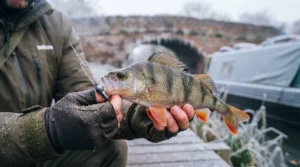
Micro Jigs for Perch for Beginners vs Specialists
A genuine beginner and a seasoned LRF specialist need almost entirely different things from their micro jigs for perch, and conflating the two leads to wasted money either way. Beginners are best served by complete kits — the Savage Gear Perch Pro Kit 2 or the Savage Gear LRF Mini Sandeel Kit both remove the guesswork of matching heads to plastics and give a broad enough spread of weights and colours to learn what actually works on a home venue. At this stage, lead construction is entirely sufficient, and the money saved versus tungsten is better spent on a session or two of guided tuition or simply more time on the bank.
Specialists chasing wary, pressured perch on clear, heavily-fished venues are the anglers who genuinely benefit from the Decoy SV-56 or FiTU Round Jig Head TG — both reward the kind of precise rod-tip control and venue knowledge that only comes with experience. For this group, the marginal gains in bite detection and natural presentation translate directly into more fish landed from swims that punish anything less refined. If you’re unsure which camp you fall into, a useful test is honest self-assessment: if you’re still working out which retrieve speed suits a given day, you’re in beginner territory regardless of how long you’ve held a rod.
Long-Term Cost & Value: Is Tungsten Worth the Investment?
Total cost of ownership for micro jigs for perch is rarely about the sticker price alone — it’s about how many heads you realistically lose per season and what that loss costs you in real terms. A budget lead pack at £5 for five heads works out to roughly £1 per jig; lose three in a snaggy session and you’re down £3, easily replaced without a second thought. A tungsten head at £12 for five works out closer to £2.40 each — the same three losses cost £7.20, a meaningfully bigger dent, particularly across a full season of regular fishing.
Where tungsten earns back its premium is in venues where losses are genuinely rare — clear, relatively snag-free stillwaters and canals — and where the sensitivity gain translates into measurably more fish landed per session. If you’re fishing three sessions a week on a snaggy urban canal, lead remains the financially sensible choice almost regardless of the sensitivity trade-off; if you fish occasionally on a clean, technical water where every extra bite detected matters, tungsten’s higher per-unit cost is easily justified by the fish it helps you actually hook.
What to Expect: Real-World Perch Jig Performance
Specs on a packet only tell part of the story, so here’s what actually happens once these micro jigs for perch hit the water. Lighter heads in the 1-3g range fall with a visible, almost hesitant flutter — perch frequently intercept them mid-drop rather than waiting for the lure to settle, which is why watching your line on the fall matters as much as feeling for resistance. Heavier 4-6g heads sink noticeably faster and with less side-to-side movement, better suited to covering water quickly or holding position in flow rather than presenting a slow, natural fall.
Tungsten heads transmit bottom detail — gravel, silt, weed — far more clearly up the line than lead equivalents of the same weight, which in practice means you’ll feel the difference between a snag and a soft take much sooner, giving you a split-second longer to react. Scented plastics, as reviewers of the Berkley PowerBait kit note, genuinely do buy extra hesitation time from a mouthing perch, which on light hook sizes can be the difference between a solid hook-up and a lost fish. None of this replaces time on the bank, but knowing what to expect before your first session shortens the learning curve considerably.
Features That Actually Matter (And Those That Don’t)
Marketing copy on lure packaging loves to oversell minor details, so it’s worth separating genuine performance factors from noise. Hook sharpness and gape width matter enormously — they directly determine your hook-up ratio and are worth prioritising over almost anything else on the packet. Material density (tungsten versus lead) matters specifically for bite detection and profile size, but only meaningfully in clear, technical conditions; in coloured water the difference is far less noticeable. Colour range matters, as covered above, because conditions shift daily and a narrow palette limits your options exactly when you need flexibility most.
What matters considerably less than packaging suggests: exact paint finish detail (glitter versus matte rarely changes catch rates meaningfully), and claimed “scent longevity” figures, which in aggregated reviews tend to be optimistic regardless of brand. Focus your budget on hook quality and a genuine colour and weight spread before spending extra on cosmetic differentiators that look impressive on a shelf but rarely change what happens once the lure’s in the water.

Frequently Asked Questions
❓ What is the best micro jig size for perch fishing in the UK?
❓ Are tungsten micro jigs actually better than lead for perch?
❓ What colour micro jig works best for perch in clear water?
❓ Do I need a fishing licence to use micro jigs for perch on UK canals?
❓ How do I stop perch from spitting out a micro jig before I can strike?
Conclusion
Micro jigs for perch reward the angler willing to think a little rather than simply cast and hope — weight, hook size, colour and retrieve all genuinely matter, and getting them right transforms an average session into one where the rod barely stops nodding. Of the seven products covered here, the Fox Rage Micro Jig Heads remain the sensible all-round starting point for most anglers, the two Savage Gear kits are hard to beat for genuine beginners wanting everything in one box, and the Decoy SV-56 and FiTU Round Jig Head TG are worth the premium once you’re chasing wary fish on clear, technical water. Pre-rigged options like the Berkley Pulse Realistic Perch Shad earn their place purely on convenience, while the Berkley PowerBait Perch Kit rounds things out nicely for anyone already comfortable rigging their own heads.
There’s no single “best” answer here — only the right combination for your venue, your budget and how much time you’re willing to put into learning the technique. Start with a kit if you’re new, build outward from there, and don’t be afraid to carry more than one weight and colour in your pocket on any given session; conditions on UK canals and rivers shift fast, and the anglers who adapt fastest tend to be the ones walking home with a proper catch report to tell.
Recommended for You
- Drop Shot vs Micro Jig for Perch: 7 Best UK Picks (2026)
- Drop Shot Fishing for Perch: 7 Best Rigs; Gear Picks (2026)
- Drop Shot Lures for Perch: 7 Brilliant Picks for 2026
Disclaimer: This article contains affiliate links. As an Amazon Associate, I earn from qualifying purchases. If you purchase products through these links, we may earn a small commission at no additional cost to you.
✨ Found this helpful? Share it with your friends! 💬🤗
