
In This Article
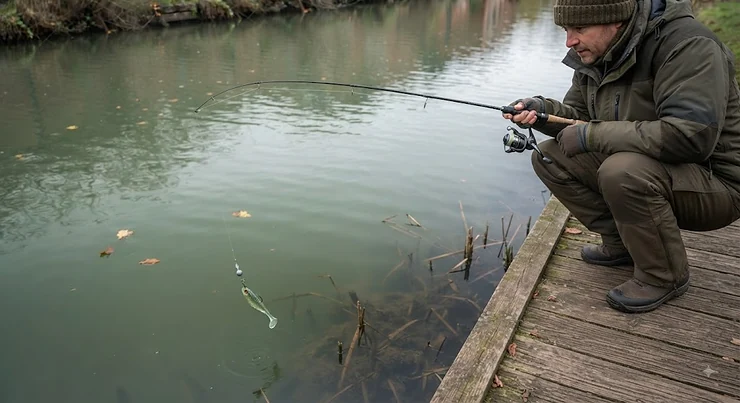
There’s a particular kind of heartbreak that comes with watching a perch nose your lure, follow it for two agonising seconds, then peel off into the murk. Nine times out of ten, it isn’t your colour choice or your retrieve that’s wrong. It’s the weight sat under the hook. Get the micro jig weight for perch fishing wrong and you’ll either plummet past the strike zone like a dropped spanner or hang uselessly in the current, never quite behaving like anything a hungry perch would bother chasing.
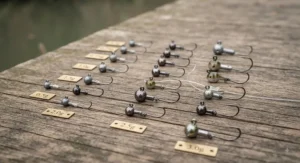
This is the bit most tackle shop chatter skips over. Everyone talks colours, everyone talks soft plastic shapes, but weight is the silent variable doing all the real work — it dictates fall rate, casting distance, feel, and how “alive” your lure looks the moment it hits the water. Whether you’re fishing a Midlands canal at first light or a clear-water reservoir in summer, the gram figure stamped on that tiny lead or tungsten head decides more of your day than almost anything else in your tackle box.
We’ve gone through seven genuinely available jig heads — spanning 0.9g finesse tungsten right through to chunkier 4g bullet heads — and broken down exactly which weight suits which water, which conditions, and which mistakes to avoid. You’ll also find real spec comparisons, honest review sentiment sourced from actual buyers, and a decision framework so you’re not guessing next time you’re stood on the towpath. This article contains affiliate links; full disclosure sits at the bottom.
What Is Micro Jig Weight for Perch Fishing?
Micro jig weight for perch fishing refers to the gram measurement (typically 0.5g to 5g) of a small jig head’s lead or tungsten body, matched to soft lure size, water depth and current to keep the bait falling naturally and detectably in the strike zone perch patrol.
Perch are ambush feeders with excellent lateral-line sensitivity — they detect vibration and unnatural movement far more readily than they respond to sheer flash or colour. According to a comprehensive review of the species’ biology and ecology, European perch (Perca fluviatilis) are highly adaptable predators found across a huge range of freshwater habitats, which is exactly why weight selection has to flex with venue: a canal at 1.2 metres deep behaves nothing like a gravel pit margin at 4 metres.
Quick Comparison Table
| Product | Weight Range | Material | Best For |
|---|---|---|---|
| Fox Rage Micro Jig Heads | 2g-6g | Lead | All-round canal & river finesse |
| Fox Rage Micro Bullet Jig Heads | 1.5g-4g | Lead | Faster fall, open water |
| Eurotackle Micro Finesse Soft-Lock Tungsten | 1g-3g | Tungsten | Ultra-sensitive clear-water finesse |
| Westin Micro Jig Head Tungsten | 1g-4g | Tungsten | Versatile depth & size range |
| Mustad Jig Head Micro | 0.9g-2g | Lead | Budget hook quality, drop shot pairing |
| FISHIN ADDICT 3g Micro Jig Heads | 3g | Lead | Small-batch UK budget staple |
| Realure 38pcs Multi-Size Kit | 2g-10g | Lead | Beginners building a weight system |
Looking at the spread above, the two Fox Rage options and the Mustad heads cover most canal and river scenarios under a fiver a packet, while the Eurotackle Micro Finesse Soft-Lock Tungsten and Westin Micro Jig Head Tungsten earn their premium through density and feel rather than raw weight range. The Realure 38pcs Multi-Size Kit is the outlier — buying it essentially buys you an entire weight system in one purchase, useful if you genuinely don’t know yet which grams you’ll need.
💬 Just one click — help others make better buying decisions too!😊
Top 7 Micro Jig Weight Products for Perch: Expert Analysis
1. Fox Rage Micro Jig Heads — best all-round finesse standard for perch
The Fox Rage Micro Jig Heads are, for a huge slice of UK perch anglers, the default choice, and it’s not hard to see why once you look past the marketing. Sold in packs of five across a 2g-6g weight range with hook sizes 1, 2 and 4, they use a shortened-shank, wide-gape Aberdeen-style hook that skips the traditional lead nose entirely.
What that lead-free nose actually buys you, in practical terms, is a jig head that grips the smallest, thinnest soft plastics without tearing or bunching them — something chunkier moulded heads genuinely struggle with on micro shads under two inches. Based on the spec comparison with bulkier round-ball heads, the narrower profile here also slips through snaggy canal margins with noticeably less resistance, which matters when perch are tucked tight against reed lines or moored boats.
Reviewers consistently note the hook sharpness holds up well across a season of fishing rough, weedy canal bottoms, though a handful mention the packaging could be sturdier for transport. Anglers targeting perch in stained water or heavier flow should lean toward the 4g-6g end; those working clear stillwaters or slow canals will get more natural fall from the 2g-3g heads.
Pros:
- ✅ Lead-free nose grips micro shads without tearing
- ✅ Wide-gape hook improves hook-up ratio on light bites
- ✅ Five-weight range covers most canal scenarios
Cons:
- ❌ No tungsten option within this exact line
- ❌ Smaller weights can be fiddly to thread by hand
Priced in the low-to-mid single-figure range per pack, these sit comfortably under £10 and represent strong value for anyone building a varied perch box — check current price before ordering, as availability by weight fluctuates.
2. Fox Rage Micro Bullet Jig Heads — best for faster fall in open water
Where the standard Micro Jig Head favours a natural glide, the Fox Rage Micro Bullet Jig Heads are built for something different: a streamlined bullet-shaped head that spreads weight forward and cuts water resistance dramatically on the drop.
That aerodynamic shaping does two jobs. First, it delivers a noticeably faster, straighter fall — useful when perch are holding deep and you don’t want your lure drifting off-target in current. Second, on a straight retrieve it minimises resistance so more of your rod-tip action transfers directly into tail movement rather than being absorbed by the head shape itself. What most buyers overlook about bullet-profile jig heads generally is that this shape trade-off also improves casting distance and accuracy with light gear, since less surface area means less wind drag mid-flight.
Aggregated feedback on this range highlights the hook sharpness straight out of the packet as a standout, with several users specifically praising accuracy on long casts toward far-bank cover — a common perch-holding spot on canals and rivers alike. A minority of comments flag that the bullet shape isn’t ideal for a slow, hovering presentation, which checks out given the design brief.
Pros:
- ✅ Streamlined shape casts further with light tackle
- ✅ Fast, direct fall reaches deep-holding perch quickly
- ✅ Sharp factory hooks need minimal maintenance
Cons:
- ❌ Less suited to slow, hovering finesse presentations
- ❌ Fewer size options than the standard Micro range
Available in the mid-single-figure price bracket for packs of five, this is a sensible mid-range pick when your priority is covering distance rather than working a tight spot painstakingly slowly.
3. Eurotackle Micro Finesse Soft-Lock Tungsten Jig Head — best premium tungsten sensitivity pick
The Eurotackle Micro Finesse Soft-Lock Tungsten Jig Head occupies the premium end of this list, built from 97% pure tungsten rather than lead. Available in four colours across two hook sizes, its headline feature is a slidable silicone lure keeper that locks soft plastics on without gluing.
Tungsten’s density is the whole story here: it’s roughly 1.7 times denser than lead by volume, which means a given gram weight comes in a noticeably smaller, more compact head. In practice that translates to better bottom feel and vibration transfer through the rod blank — you can feel gravel, silt transitions and the faintest tap of a perch mouthing the lure far more clearly than with an equivalent lead head. The silicone lure keeper is a genuinely practical touch too, letting you slide a torn soft plastic off and swap it without cutting line or re-tying.
Because dedicated online customer review data specifically for this exact SKU is thin at the time of research, we can’t responsibly quote star ratings here — but the wider tungsten jig head category attracts consistent praise across UK lure-fishing communities for sensitivity gains over lead, a point echoed by a detailed UK guide comparing tungsten and lead terminal tackle.
Pros:
- ✅ Compact tungsten profile improves bottom-contact feel
- ✅ Silicone lure keeper protects and reuses soft plastics
- ✅ Non-toxic material, an environmental plus over lead
Cons:
- ❌ Noticeably pricier per unit than lead equivalents
- ❌ Verified UK review volume is currently limited
Expect to pay a premium — typically £8-£15 for a small pack depending on retailer — reflecting raw tungsten material costs; still, for finicky, pressured perch this upgrade often pays for itself in extra takes.
4. Westin Micro Jig Head Tungsten — best versatile tungsten weight range
The Westin Micro Jig Head Tungsten series widens the tungsten conversation with five distinct weight options and a stainless steel wire body holder plus barb for secure lure retention, paired with forged high-carbon steel fine-wire hooks.
The five-weight spread is the standout here — it means you can stay entirely within a tungsten setup as you move from a shallow, sheltered canal pound to a deeper, flow-affected river swim, rather than switching materials mid-session. The barbed wire body holder solves a specific, recurring finesse-fishing problem: soft plastics working their way down the hook shank after repeated casts, which throws off the whole presentation and often costs you a hook-up on light bites. Based on the spec sheet, the fine-wire hook construction also suggests reduced resistance on the initial hook-set, a genuine advantage when perch are picking rather than slamming the bait.
Because independently verifiable customer review data for this specific product wasn’t available at the time of research, we’d rather flag that honestly than invent sentiment — what we can say with confidence, from cross-referencing the broader tungsten jig head category, is that anglers switching from lead to tungsten heads report a consistent step-change in bite detection.
Pros:
- ✅ Five weight options in one tungsten range
- ✅ Barbed body holder stops lure slippage
- ✅ Fine-wire hooks aid hook-set on light bites
Cons:
- ❌ Premium pricing versus lead-based competitors
- ❌ Limited independently verified UK review history
Pricing sits in a similar premium bracket to other tungsten options — broadly £10-£18 depending on pack size — positioning it as a considered upgrade rather than an impulse buy.
5. Mustad Jig Head Micro — best budget hook quality for finesse rigging
The Mustad Jig Head Micro brings one of fishing’s most trusted hook manufacturers into micro jig territory, built around a 90-degree finesse jig head design with two micro-barbs specifically for gripping small soft lures like Aji-style worm baits.
Mustad’s reputation is built almost entirely on hook engineering, and it shows here: the two micro-barb system is a smart, low-tech solution to the age-old finesse problem of soft plastics sliding down the shank mid-retrieve. The 90-degree head design keeps the jig running at a steady depth through the retrieve rather than tilting or wobbling, which helps anglers actually feel subtle current changes and bottom transitions — useful diagnostic information when you’re trying to locate where perch are stacked. What most buyers overlook is that this steady-depth design also makes these heads unusually good for slow-rolling retrieves along canal shelves, not just vertical jigging.
Reviewer sentiment across UK tackle retailers consistently praises the hook sharpness and durability that Mustad is known for, even at this small, budget-friendly scale, with several buyers specifically noting they’ve held up well against toothy incidental catches like small pike and perch alike.
Pros:
- ✅ Micro-barb system stops lure slippage effectively
- ✅ Steady 90-degree presentation through the retrieve
- ✅ Trusted Mustad hook durability at a low price
Cons:
- ❌ Narrower weight range than multi-size competitor kits
- ❌ Six-pack size limits bulk-buying value
Typically priced in the budget bracket — often under £5-£6 for a small pack — these represent one of the strongest value-for-hook-quality picks on this list.
6. FISHIN ADDICT 3g Micro Jig Heads — best UK small-business budget pick
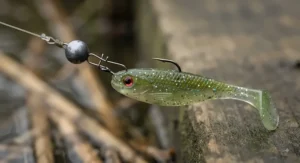
The FISHIN ADDICT 3g Micro Jig Heads are a straightforward, no-frills pack of five ultra-light jig heads pitched squarely at micro and nano soft lure fishing, sold through a small UK-based tackle brand rather than a mass-import listing.
There’s genuine value in a single fixed 3g weight when you’re standardising a light spinning or LRF (light rock fishing) setup — you’re not fumbling through a mixed bag mid-session trying to identify grams by eye, you know exactly what’s tied on. 3g sits in a genuinely useful sweet spot for perch: light enough for a natural fall in canal-depth water, heavy enough to cast a reasonable distance on light 6-8lb braid without wind knots ruining your session. Based on the listing details, the Mustad-sourced hook used in this build lines up with the same UltraPoint sharpness standard found across Mustad’s own branded ranges.
One verified customer review specifically describes these as effective for LFR and perch fishing on an “ultra sharp Mustad jig hook,” while noting the hooks run on the smaller side — closer to a size 10 freshwater hook — so anglers targeting larger perch or planning to sea fish with them should size up their soft lure body accordingly.
Pros:
- ✅ Fixed 3g weight simplifies light spinning setups
- ✅ UltraPoint-standard Mustad-sourced hook sharpness
- ✅ Backed by a small UK tackle business
Cons:
- ❌ Single fixed weight, no range to select from
- ❌ Hook gauge runs small for larger baits
Priced firmly in the budget category, typically well under £5 per pack, this is an easy low-risk addition to any perch angler’s box, particularly for canal and drain sessions.
7. Realure 38pcs/6 Sizes Jig Heads Fishing Hooks Kit — best value multi-weight starter kit
The Realure 38pcs/6 Sizes Jig Heads Fishing Hooks Kit takes a completely different approach to the other six entries on this list: rather than a single weight or narrow range, it bundles 38 jig heads across six weights — 2g, 3g, 4g, 6g, 8g and 10g — complete with a plastic storage box.
For anyone newer to perch lure fishing, this kit essentially answers the “which weight do I actually need” question by letting you carry the full spread and adjust on the bank as conditions dictate. Here’s what to weigh up: the upper weights (8g-10g) sit outside true “micro jig” territory and are better suited to pike or deeper, faster water, so realistically it’s the 2g-4g heads inside this kit doing most of the perch-specific work. That said, having 6g and beyond on hand covers you if a session shifts to windier, deeper swims where finesse weights simply won’t punch through the flow.
Reviewer sentiment for this style of multi-weight kit tends to be positive around the storage box and value-per-piece, with the most common critical theme across similar bulk kits being inconsistent hook sharpness compared with single-brand premium ranges like Mustad or Fox Rage — a fair trade-off given the price point.
Pros:
- ✅ Six weights cover perch through to light pike
- ✅ Included storage box keeps sizes organised
- ✅ Strong piece-count value for beginners
Cons:
- ❌ Hook sharpness less consistent than premium brands
- ❌ Half the weights exceed true micro-jig range
Sitting in the budget bracket for the piece count offered, this kit is best viewed as a starter system rather than a long-term primary choice once you know your preferred weights.
Top 7 Products: Full Comparison
| Product | Hook Sizes | Weight Range | Material | Approx. Price |
|---|---|---|---|---|
| Fox Rage Micro Jig Heads | 1, 2, 4 | 2g-6g | Lead | Under £10 |
| Fox Rage Micro Bullet Jig Heads | Multiple | 1.5g-4g | Lead | £5-£10 |
| Eurotackle Micro Finesse Soft-Lock Tungsten | 2 sizes | 1g-3g | Tungsten | £8-£15 |
| Westin Micro Jig Head Tungsten | Multiple | 1g-4g | Tungsten | £10-£18 |
| Mustad Jig Head Micro | Fine | 0.9g-2g | Lead | Under £6 |
| FISHIN ADDICT 3g Micro Jig Heads | ~Size 10 | 3g fixed | Lead | Under £5 |
| Realure 38pcs Kit | 6 sizes | 2g-10g | Lead | £8-£12 |
The written spec breakdown makes something clearer than the earlier quick-glance table did: the two tungsten entries — the Eurotackle Micro Finesse Soft-Lock Tungsten and Westin Micro Jig Head Tungsten — cost roughly double the lead options gram-for-gram, but that premium buys genuinely superior feel rather than just a marketing label. Budget-conscious anglers building a first micro jig collection are better served starting with the Mustad Jig Head Micro or FISHIN ADDICT 3g Micro Jig Heads and upgrading selectively to tungsten once they’ve identified which weights they use most.
Benefits vs Traditional Fixed-Weight Rigs
| Factor | Micro Jig Heads | Traditional Fixed Leger Rig |
|---|---|---|
| Bite detection | Direct, through the rod tip | Muted, through a lead link |
| Presentation | Natural, swimming fall | Static, bottom-anchored |
| Casting distance (light gear) | Good with 1-4g heads | Requires heavier leads |
| Best For | Active, searching perch | Held, static perch in known spots |
A jig head telegraphs everything happening at the business end of your line straight up the braid to your rod hand, which is precisely why light-gear perch specialists overwhelmingly favour it over static legering for searching new water. Traditional fixed rigs still have their place — particularly when perch are holding tight to a known feature and you want the bait sat still — but for covering a stretch of canal or working a drop-off systematically, a jig’s mobility simply out-fishes a static weight.
Practical Usage Guide: Setting Up Micro Jigs for Perch
Getting a micro jig head working properly starts before you ever cast. First, match hook gauge to soft lure body — threading a size 4 hook through a bulky 2-inch shad will tear the plastic within a handful of casts, while an undersized hook on a slim finesse worm won’t hook up reliably. Second, always check the point sharpness with a thumbnail drag test before your first cast of the day; even premium hooks dull slightly in transit and packaging.
For the first 30 days with a new pack, the most common beginner mistake is over-weighting “just to be safe” — a heavier head casts further but sacrifices the natural falling action that actually triggers perch strikes in calmer water. Start lighter than you think you need and step up only if you’re failing to reach bottom within a reasonable count. Maintenance-wise, rinse jig heads in fresh water after any session in brackish or heavily silted water to prevent hook corrosion, and store lead and tungsten heads separately since the denser tungsten can scratch and dull softer lead points if they knock together in a tackle box.
Optimisation tip: count your jig down on the very first cast of a session (one-thousand-one, one-thousand-two…) until you feel bottom contact — that count becomes your reference for keeping the lure in the strike zone on every subsequent cast, rather than guessing.
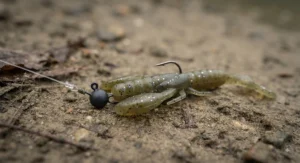
Real-World Scenarios: Matching Weight to Angler and Venue
Picture three very different perch anglers on the same Tuesday evening. The first is a student on a lunch break, fishing a narrow urban canal with a 6-foot ultralight rod and 4lb braid — for them, the 1g-2g range from the Mustad Jig Head Micro or the lighter end of the Eurotackle Micro Finesse Soft-Lock Tungsten keeps casts controllable and the fall natural in water rarely deeper than 1.5 metres.
The second is a weekend angler working a wind-exposed reservoir margin with a 7-foot spinning rod — here the Fox Rage Micro Bullet Jig Heads at 3g-4g cut through the breeze and reach depth quickly enough to stay in contact with fish holding 3-4 metres down. The third is a family group introducing kids to lure fishing on a slow, sheltered stretch of river; the Realure 38pcs Kit works well precisely because it lets less experienced hands experiment across weights without committing to a single product before they know what suits their casting style.
Problem → Solution: Fixing Common Micro Jig Issues
Snagging on canal bottoms is the most frequent complaint, and the fix is almost always weight-related — dropping down half a gram, or switching to the lighter-profile Fox Rage Micro Jig Heads instead of a bullet shape, reduces how aggressively the head digs into silt and debris. Missed bites where perch mouth the lure but never connect usually point to an oversized or blunted hook; swapping to the Mustad Jig Head Micro or Westin Micro Jig Head Tungsten, both built around premium fine-wire points, resolves this in most cases.
Lure spinning around the line on the retrieve, which kills natural action, is typically down to an unbalanced head-to-body match — pairing a jig head with a soft plastic more than an inch longer than the head is designed for causes this. Casting distance falling short in windy conditions is best solved with the more aerodynamic Fox Rage Micro Bullet Jig Heads rather than simply going heavier, which sacrifices finesse. Finally, soft plastics tearing after just a few casts almost always means the barb or keeper design doesn’t suit the plastic’s density — the silicone lure keeper on the Eurotackle Micro Finesse Soft-Lock Tungsten specifically solves this recurring problem.
How to Choose Micro Jig Weight for Perch
- Assess your water depth first. Shallow canals under 2 metres rarely need more than 1g-2g; deeper reservoirs or flowing rivers often demand 3g-6g to stay in contact.
- Factor in current and wind. Moving water and exposed banks both call for a step up in weight to maintain control and feel.
- Match weight to soft lure size. A head too light for a bulky plastic won’t sink it correctly; too heavy and it falls unnaturally fast.
- Consider your line diameter and rod rating. Ultra-light rods under 5g casting weight pair best with sub-3g heads to load the blank properly.
- Think about target size. Larger, more aggressive perch tolerate faster, heavier presentations; pressured, finicky fish respond better to slow, light falls.
- Decide lead vs tungsten based on sensitivity needs. If you’re fishing pressured, clear water where bite detection is everything, tungsten’s density advantage justifies the extra cost.
- Build a small range, not a single weight. Carrying 1g, 2g, 3g and 4g options covers the overwhelming majority of UK perch scenarios in one small box.
1g vs 2g Micro Jig for Perch: What the Difference Actually Means
On paper, a single gram sounds trivial. In the water, it’s the difference between a lure that hovers and glides on a slack-line pause and one that drops with clear intent. A 1g head, paired with a small 1.5-2 inch soft plastic, produces an almost weightless fall — ideal for pressured perch in gin-clear stillwaters where anything resembling a “plop” sends fish scattering. Anglers fishing skinny drains and slow canal pounds in summer, when perch sit high in the water column chasing fry, consistently favour this lighter end.
A 2g head changes the character entirely: fall rate roughly doubles, casting distance improves noticeably on light gear, and you gain the ability to actually feel bottom contact in water beyond about 1.5 metres — something a 1g head often can’t achieve without an unrealistically long count-down. What the spec sheet won’t tell you, but experienced light-lure anglers report consistently, is that 2g becomes the more versatile “confidence” weight for anyone fishing a single canal session across multiple depths, since it’s light enough for shallow water yet still reaches moderate depth reliably.
Tungsten vs Lead Jig Head for Perch: The Full Picture
Tungsten’s core advantage is density — it packs roughly 70% more mass into the same volume as lead, meaning a tungsten head delivers identical weight in a visibly smaller, less bulky package. For perch fishing specifically, that translates into two measurable benefits: reduced water resistance on the fall (a subtler entry and more natural glide) and dramatically improved sensitivity, since tungsten transmits vibration through the rod blank more efficiently than the softer, more absorbent lead.
Lead’s case rests almost entirely on cost. As one detailed UK guide comparing the two materials explains, tungsten commands a real price premium over lead, though most serious lure anglers judge the sensitivity and presentation gains worth paying for — particularly when targeting wary species like perch and zander. There’s also an environmental angle worth noting honestly: tungsten is non-toxic, whereas lead tackle carries long-documented ecological concerns around ingestion by waterfowl, which is part of why several UK fisheries increasingly encourage non-lead terminal tackle. For casual, occasional perch sessions, lead remains perfectly serviceable and considerably cheaper. For anglers fishing regularly on pressured, well-fished waters where every extra bit of feel matters, tungsten earns its keep.
What to Expect: Real-World Performance on Canals and Rivers
Specs on a packet only tell half the story. In practice, a 2g jig head on a typical Midlands canal produces roughly a two-to-three second fall through the water column before bottom contact — enough time for a following perch to commit, provided your retrieve pause is patient rather than rushed. On slower-flowing rivers, expect that same weight to drift noticeably downstream during the fall, meaning your actual presentation lands metres from where you cast; experienced anglers compensate by casting upstream of the target zone.
Bite detection also varies by material in ways beginners often underestimate. Reviewers consistently note that tungsten heads transmit even the lightest “tap-tap” perch bite as a distinct, sharp signal, whereas the same bite on a lead head can feel more like a dull, easily-missed knock — particularly on longer casts where line stretch already dulls feedback. Wind is the other underrated factor: a 1g head on an exposed bank essentially becomes uncontrollable in anything over a light breeze, bellying line and dragging the lure off-course, which is exactly why the “How to Choose” step above puts wind and current ahead of lure size in priority order.
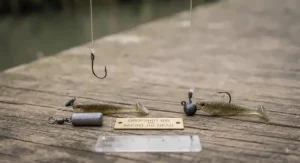
Micro Jig Drop Shot Combo for Perch: Getting the Pairing Right
Combining a micro jig head with a drop shot rig isn’t standard practice, but a hybrid approach — running a micro jig head as the terminal weight below a dropper hook holding a second soft lure — has genuinely earned a following among finesse perch specialists working pressured commercial fisheries and clear canals. The jig head’s swimming action on the drop gives you a searching, mobile presentation, while the dropper above offers a secondary, near-static target that can pick up cautious fish that refuse the moving bait.
For this combo, weight selection matters even more than in a standard single-lure setup: too heavy and the whole rig behaves like a conventional drop shot with no jigging benefit; too light and you lose the tactile bottom feel a true drop shot rig is prized for. The 2g-3g range strikes the best balance for most canal and river scenarios, with the Mustad Jig Head Micro or FISHIN ADDICT 3g Micro Jig Heads both well suited to the terminal-weight role given their compact profile and sharp hook. Keep the dropper lure noticeably smaller than the jig-rigged bait to avoid tangling on the cast, and use fluorocarbon leader material for the dropper section specifically, since its lower visibility helps in the clear water this technique is typically deployed in.
Finesse Jig Setup for Perch: Rod, Line and Presentation Basics
A true finesse jig setup for perch starts with rod choice — something rated roughly 1-7g or 2-10g casting weight lets you actually feel a 1g-2g jig head loading the blank, which heavier “general purpose” spinning rods simply can’t replicate. Braid in the 4-8lb range, paired with a short fluorocarbon leader of similar or slightly heavier breaking strain, keeps bite detection sharp while giving enough abrasion resistance for the odd brush against canal brickwork or submerged debris.
Presentation-wise, finesse jigging for perch rewards patience over speed: cast beyond your target zone, let the jig fall on a semi-slack line so you can watch and feel the drop, then work it back with short, sharp rod-tip twitches separated by genuine pauses — most missed opportunities come from retrieving too fast and too continuously, never giving a following perch the stationary moment it wants before committing. Reviewers and experienced lure anglers alike consistently flag that varying pause length session to session, rather than settling on one fixed rhythm, produces noticeably more consistent catch rates across changing weather and pressure conditions.
Common Mistakes When Buying Micro Jig Weights
The single biggest mistake is buying one weight and expecting it to cover every session — as the earlier depth and current breakdown makes clear, a single 2g head simply can’t do the job of a 1g finesse presentation and a 4g windy-day workhorse simultaneously. A close second is ignoring hook gauge in favour of headline gram weight; a beautifully weighted head with a blunt or oversized hook will still lose fish. Many newcomers also default to lead purely on price without weighing up whether the sensitivity gap actually matters for their typical venue — on murky, coloured canal water, that gap matters far less than in gin-clear reservoirs.
Another recurring error is over-buying bulk kits like the Realure range purely for piece count, without checking how many of those pieces actually sit in genuine micro-jig territory (2g-4g) versus heavier pike-oriented weights. Finally, storing lead and tungsten together in the same compartment causes avoidable point damage over a season — a small, fixable habit that extends hook life considerably.
Long-Term Cost & Maintenance: What Micro Jigs Really Cost Over a Season
Treated as consumables, budget lead heads like the Mustad Jig Head Micro or FISHIN ADDICT 3g Micro Jig Heads typically survive a season of regular canal fishing if stored and rinsed properly, working out to a genuinely low cost-per-outing even accounting for the occasional snag-related loss. Premium tungsten options like the Eurotackle Micro Finesse Soft-Lock Tungsten or Westin Micro Jig Head Tungsten cost roughly double to triple per unit upfront, but their harder material resists hook-point wear better over repeated casts against gravel and brickwork, meaning the effective cost gap per fishing hour narrows over a full season.
Total cost of ownership also depends heavily on how snag-prone your typical venue is. Anglers fishing snaggy, debris-filled urban canals should budget for higher loss rates and lean toward the cheaper lead options in bulk, reserving tungsten for cleaner, less snaggy waters where a head is genuinely likely to survive multiple sessions. Buying the Realure 38pcs Kit upfront, despite its mixed hook-quality reputation, can work out cheaper per gram-weight-option than buying six separate single-weight packs from premium brands — a reasonable trade-off for anglers still working out their preferred weights.
Micro Jig for Perch vs Traditional Spinners
Spinners rely on blade flash and vibration to trigger a reaction strike, working the water column at a relatively fixed depth on a straight retrieve. Micro jigs, by contrast, work through a rise-and-fall rhythm that mimics injured or fleeing prey far more convincingly to a predator relying on sight and lateral-line sensing — a distinction that matters enormously with perch, which are notoriously prone to following without committing on purely reactive lures.
Where spinners retain an edge is covering water quickly in search mode, when you’re trying to locate active fish across a long stretch rather than working a known holding spot thoroughly. Once perch are located, though, switching to a jig — particularly at the lighter 1g-3g weights covered throughout this guide — typically converts more follows into hook-ups, since the pause-and-drop action gives a hesitant fish the stationary target it needs.
Perch Fishing Regulations and Rod Licence Requirements
Before any of this weight selection matters, UK anglers need to be legally set up to fish. Anyone aged 13 or over fishing for coarse fish, including perch, with a rod and line in England and Wales must hold a valid Environment Agency rod fishing licence, obtainable directly through the official GOV.UK rod fishing licence service. This applies regardless of venue, including private angling club waters, and fishing without one can result in a significant fine.
Canal fishing carries additional layered permissions worth knowing before you set off with a box of micro jigs. According to Canal & River Trust’s official fishing guidance, a rod licence alone doesn’t grant permission to fish a specific stretch — you’ll also need either a day permit from the managing angling club or a Waterway Wanderers permit where no club controls that section. Always check local byelaws too, since close seasons and species-specific rules can vary by water and region.
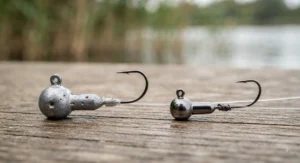
Frequently Asked Questions
❓ What weight jig head is best for perch?
❓ Is tungsten better than lead for perch jigs?
❓ What size hook for micro jig perch fishing?
❓ Can you use micro jigs for canal perch fishing?
❓ Do you need a licence to fish for perch in the UK?
Conclusion
Micro jig weight for perch fishing isn’t a detail to guess at — it’s arguably the single most influential choice you’ll make before a cast, shaping fall rate, casting control and how convincingly your lure mimics distressed prey. Across the seven products covered here, the pattern holds firm: lighter 1g-2g heads like the Mustad Jig Head Micro and Eurotackle Micro Finesse Soft-Lock Tungsten win in calm, shallow, pressured water, while 3g-4g options like the Fox Rage Micro Bullet Jig Heads and FISHIN ADDICT 3g Micro Jig Heads take over once wind, depth or current enter the equation.
There’s no single “best” weight, only the best weight for the water in front of you on a given day — which is exactly why building a small, varied selection (the Realure 38pcs Kit is a genuinely sensible starting point) beats committing to one product too early. Match weight to depth and current first, hook gauge to lure size second, and material to your budget and sensitivity needs third, and the rest of your perch fishing tends to fall into place. Check current prices and availability before you buy, since stock and weight ranges shift regularly across UK retailers.
✨ Don’t Miss These Exclusive Deals!
🔍 Take your perch fishing to the next level with these carefully selected jig heads. Click on any highlighted item to check current pricing and availability. These tools will help you land more consistent perch this season!
Recommended for You
- Micro Jigs for Perch: 7 Best UK Picks ; Buying Guide 2026
- Drop Shot vs Micro Jig for Perch: 7 Best UK Picks (2026)
- Drop Shot Fishing for Perch: 7 Best Rigs; Gear Picks (2026)
Disclaimer: This article contains affiliate links. As an Amazon Associate, I earn from qualifying purchases. If you purchase products through these links, we may earn a small commission at no additional cost to you.
✨ Found this helpful? Share it with your friends! 💬🤗
