
In This Article
You know the feeling. You cast out, settle the rod in the tripod, and ten minutes later the tip is bouncing like a nervous knee. The tide has dragged your lead halfway down the beach, your line is sagging in a lazy arc, and your bait is now somebody else’s problem. 🌊
What are beach lead weights for strong tide? They are heavy casting sinkers, usually 5-7oz (roughly 140-200g), built with grip wires or a fixed-grip design that dig into the seabed. They hold your bait in position while the current pulls on your line. They sacrifice a little aerodynamic purity for serious lead retention, and that trade is the whole point.
The physics are simple. The bigger the tidal range, the more water has to move in and out through the same stretch of beach, and spring tides stretch that range to its largest. More water in a hurry means more pressure on your line and your lead. Choose a lead that can’t cope with that tidal strength and you’ll spend the session re-casting instead of fishing.
This guide rounds up seven real products, from grippers to a plain-lead backup and an impact shield for long distance casting. It also covers how to pair them with a sensible terminal tackle set for beach fishing. Everything here is built on real specifications, retailer listings and the honest views of UK and Irish anglers on public forums. No invented test sessions, no made-up quotes.
Quick Comparison Table: Seven Options at a Glance
| Product | Type | Listed weights | Price range (check current) | Retailer buyer rating | Best For |
|---|---|---|---|---|---|
| Breakaway Impact Softy | Soft-wire grip lead | 150g, 170g, 200g | Around £2-£3 each | 93% (Angling Direct) | Rough, snaggy ground in a flow |
| Gemini Breakout Grip Lead | Four-wire breakout | 90g-210g | Roughly £2-£3 each | 99% (Angling Direct) | Clean sand and tuned grip |
| Dennett Impact Breakaway/Grip Lead | Grip lead with built-in clip | 5-6oz (150-170g) | Low single-digit pounds | Not verified | Long-range clip-down rigs |
| Searigs Super Breakaway Gripper | UK-made gripper multipack | 4-7oz | High-teens for eight | Not verified | Stocking up for the season |
| Fladen Sea Swivel Lead | Pear lead with swivel | 5oz (range of sizes) | Check current price | Not verified | Fixed-lead pier and deep-water rigs |
| Dinsmores Sea Leads 5oz 4 Pack | Plain lead, four pack | 5oz | Check current price | Not verified | Neap tides and cheap spares |
| Breakaway Impact Shields | Bait release clip | Pack of four | Under £2 | 95% (Angling Direct) | Protecting baits on big casts |
Read the table with two caveats. The percentage ratings are retailer-displayed buyer scores, not Amazon star ratings, and “not verified” means I couldn’t find trustworthy aggregated reviews. Prices are ranges from the time of research and will move.
On paper, the Gemini Breakout Grip Lead and Breakaway Impact Softy are the strongest answers to a hard-running tide, because both let you control how the wires behave. The Dennett Impact Breakaway/Grip Lead earns its place if you fish clipped-down at distance. Treat Breakaway Impact Shields as an accessory rather than a lead, and the plain Dinsmores Sea Leads 5oz 4 Pack as insurance for slacker conditions.
💬 Just one click — help others make better buying decisions too!😊
Top 7 Beach Lead Weights for Strong Tide: Expert Analysis
1. Breakaway Impact Softy — soft wires that forgive snags
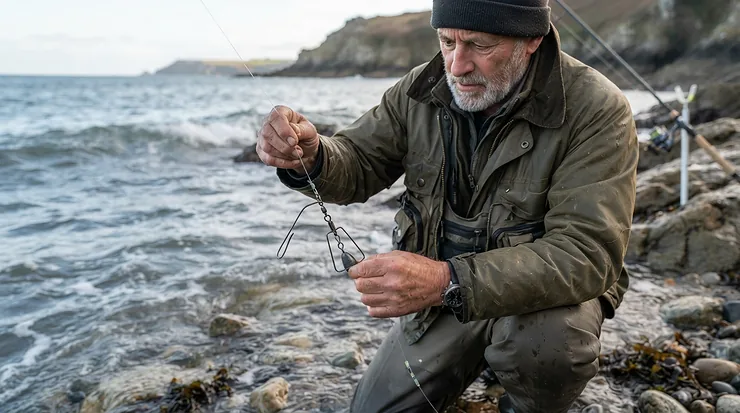
The standout is the wire. Where a standard breakout lead uses stiff wires that can lock into rocks, the Breakaway Impact Softy uses soft wires that straighten if the lead gets dragged into a snag. It sits in the Impact family, which is known for a built-in bait clip and release design.
It comes in 150g, 170g and 200g versions (roughly 5.3oz, 6oz and 7oz), colour-coded yellow, red and green. In practice the 170g is the sensible all-rounder for most beach rods, while 200g needs a rod rated to throw it safely. The retailer describes it as casting well and holding in strong tides, and notes that it keeps fishing even with a small fish on.
Based on the specification, this suits anglers fishing mixed ground where lost leads cost money. Soft wire trades a little bite for forgiveness, so on hard-packed sand in a raging spring tide, a stiffer-wired lead may grip harder. Its retailer buyer score sits in the low 90s, which is encouraging, though I couldn’t verify detailed review themes.
Pros:
- ✅ Soft wires straighten and free the lead from snags
- ✅ Three weights cover moderate to heavy tides
- ✅ Casts well and holds in strong tides, per retailer
Cons:
- ❌ Softer wires can bend out of shape on very hard ground
- ❌ Less aggressive grip than stiff-wire designs
Expect to pay around £2-£3 each. For a lead you’ll inevitably donate to the seabed now and then, that is sensible value.
2. Gemini Breakout Grip Lead — four wires you can tension individually
The distinctive thing here is control. The Gemini Breakout Grip Lead lets you tension each of four individual grips precisely, set into a hard-wearing plastic head. The retailer lists colour-coded weights from 90g to 210g, so you can scale up as the tide builds.
What that means in practice is tuning. Tighter tension holds longer but needs a firmer retrieve to break out, and looser tension releases easily but may let go in a heavy flow. For beach lead weights for strong tide, that adjustability is the real prize, because you can set the lead to suit each mark rather than accept a factory compromise.
Forum sentiment is mixed in an instructive way. One angler on a UK sea angling forum said they couldn’t beat Gemini for clean beach grip, while an Irish forum user making leads from a Gemini kit found them harder to cast than bullet-shaped breakaway leads, noting wobble in flight. That hints the shape rewards a smooth, controlled cast. The retailer shows a 99% buyer rating.
Pros:
- ✅ Four individually tensionable grip wires
- ✅ Wide weight range from 90g to 210g
- ✅ Tough plastic head resists wear
Cons:
- ❌ Some anglers report less stable flight than bullet shapes
- ❌ Needs fiddling to tune the wire tension
Price is roughly £2-£3 each, which makes a mixed handful an easy buy.
3. Dennett Impact Breakaway/Grip Lead — clip and lead in one
Its hook is integration. The Dennett Impact Breakaway/Grip Lead combines grip wires with a built-in bait clip and an impact cone that releases your baited hook when it hits the water. It is made for clip-down rigs and long-range casting.
It is listed in 5-6oz (150-170g). That is the sweet spot for most beach rods, and one published guide calls 5-6oz the best all-round range for casting baited hooks. By combining the clip with the lead you remove one component from the rig, which means one less thing to tangle and one less thing to lose.
Forum comment from Irish anglers is positive. One described the Impact leads as the only weights they use outside rough ground, noting that you don’t need a separate impact shield. Another called it the best gripper lead around and said it casts “mighty” well. Those are individual opinions rather than a verified rating, but the direction is consistent.
Pros:
- ✅ Built-in clip protects bait on long casts
- ✅ Works with all clip-down rigs
- ✅ Holds well in strong tides, per listing
Cons:
- ❌ Limited to 5-6oz range as listed
- ❌ Integrated clip adds a component that can wear
Expect low single-digit pounds each. For clipped-down distance fishing, it is hard to beat on simplicity.
4. Searigs Super Breakaway Gripper — UK-made, stocked by the dozen
The hook is the multipack. The Searigs Super Breakaway Gripper is sold by a UK manufacturer in packs of eight in 4oz, 5oz, 6oz and 7oz, with a mixed-size option. Hand-picking a spread of weights is useful when conditions change mid-session.
A mixed bag solves a real problem. Tidal strength builds and fades through a single tide, so the lead that holds at half-flood may skitter at peak flow. Having 5oz, 6oz and 7oz options in the bag lets you step up rather than pack up.
The listing I found was on eBay, so check Amazon UK availability before planning around it. I couldn’t verify any aggregated product-review themes, so I won’t pretend otherwise. Based on the specification, it is a straightforward breakout design, and the value is in the quantity rather than any special feature.
Pros:
- ✅ Eight leads per pack for the season
- ✅ Four weights from 4oz to 7oz
- ✅ Made by a UK company
Cons:
- ❌ No verified review data found
- ❌ Basic design with no clip or tuning features
Pricing was in the high-teens for a pack of eight at the time of research. That works out cheaper per lead than most singles, which suits snaggy venues.
5. Fladen Sea Swivel Lead — a weight-forward pear for fixed rigs
The standout is shape. The Fladen Sea Swivel Lead is a weight-forward pear with a swivel, listed in 5oz with a range of other sizes. There are no grip wires, which makes it a different tool from the others here.
Pear leads punch through the water and sink quickly, which matters in deep water with a hard run. One UK sea angling guide lists pear leads among its picks for deep water with strong tides. The swivel suits fixed-lead rigs, so this is more for pier, jetty or deep-water work than for classic beach grip fishing.
Be honest about the limit. Without wires, a pear lead relies on weight alone to hold, so on an open beach in a spring tide it will likely roll. Think of it as a specialist rather than a first choice. I found no reliable aggregated reviews, and one retailer listing showed it out of stock, so check availability.
Pros:
- ✅ Streamlined shape sinks quickly in deep water
- ✅ Swivel suits fixed-lead rigs
- ✅ Range of sizes available
Cons:
- ❌ No grip wires, so it rolls on open sand
- ❌ Availability can be patchy
I couldn’t verify a current price, so check the listing. As a niche pick it offers fair value, but it is not the answer for open-beach holding power.
6. Dinsmores Sea Leads 5oz 4 Pack — cheap spares for the slack end of the tide
The standout is quantity. The Dinsmores Sea Leads 5oz 4 Pack gives you four plain 5oz leads, so you can carry spares in snaggy areas. They are plain leads, so they don’t grip.
There is a place for that. Experienced anglers note that at low tide, or where the tidal flow is gentle, a plain lead lets the bait roll and search out holes and gutters. On neap tides, a plain 5oz may be all you need, and losing a cheap lead stings less than losing a clever one.
It is not the pick for beach lead weights for strong tide on its own. Think of the Dinsmores Sea Leads 5oz 4 Pack as your backup for calm days and rough ground. I couldn’t find verified aggregated reviews for it.
Pros:
- ✅ Four leads per pack for snaggy ground
- ✅ Simple and robust, with nothing to break
- ✅ Suits neap tides and gentle flow
Cons:
- ❌ No grip, so it rolls in strong current
- ❌ Only one weight in the pack
Check the current price. If it lands in the low-cost bracket, it is excellent value as a spare.
7. Breakaway Impact Shields — an impact shield for long distance casting
The hook is bait protection. Breakaway Impact Shields are a release clip system, sold four to a pack in black, red or clear. They suit wishbone or single-hook rigs. They are the accessory that turns a good lead into a long-range one.
The retailer claims a clean release every time, and the shield stops the hook flying free prematurely. When you’re casting long, the bait is subjected to a lot of force, and a shield keeps it tucked in until impact. That is the logic behind an impact shield for long distance casting.
There is one caveat. Forum comments say you don’t need a separate shield when using a lead with a built-in clip, such as the Dennett Impact Breakaway/Grip Lead. So buy the Breakaway Impact Shields for plain-body leads and skip them for integrated ones. The retailer buyer rating is in the mid-90s.
Pros:
- ✅ Protects bait on powerful casts
- ✅ Works with wishbone and single-hook rigs
- ✅ Very low cost per pack
Cons:
- ❌ Redundant with built-in clip leads
- ❌ Small parts to lose on a wet beach
Pricing is under £2 for a pack of four. It’s a bargain for the bait it saves.
How to Choose Beach Lead Weights for Strong Tide
Here is the quick method, in the order that matters:
- Check your rod’s casting rating first. It sets your ceiling, and one guide suggests 4oz as the minimum for most shore fishing, with 5-6oz best all-round.
- Match weight to tidal strength. Go heavier as the flow builds, and move up before you move to wires you don’t trust.
- Pick the grip style for the ground. Stiff or tuneable wires suit clean sand, soft wires suit snaggy ground, and fixed-grip designs suit exceptional flow.
- Choose compact and heavy over two small leads. Clipping on two small grip leads in a strong tide is a classic novice error, as they stop either from gripping.
- Decide on clip or shield. Built-in clips simplify clipped-down rigs, while separate shields suit plain-body leads.
- Check your leader. An old rule of thumb from anglers is about 10lb of line strength per 1oz of lead, so match your shock leader to your lead.
- Carry a spread. Pack at least two weights, because the tide changes during the session.
Understanding Tidal Strength: Matching Lead to Flow
Tidal strength isn’t constant. Spring tides, around new and full moon, produce the largest range, and neaps, roughly a week later, produce the smallest. A lead that sits happily on a neap can be dragged along on a spring, even on the same beach.
Use this table as a reasoned starting point, drawn from published angler guidance rather than a lab test:
| Conditions | Suggested lead approach | Best For |
|---|---|---|
| Neap tide, gentle flow | Plain 4-5oz or light grip | Dinsmores Sea Leads 5oz 4 Pack |
| Moderate flow, clean sand | 5-6oz breakaway with tuned wires | Gemini Breakout Grip Lead |
| Strong flow, mixed ground | 6-7oz soft-wire grip | Breakaway Impact Softy |
| Long-range clipped rigs | 5-6oz integrated clip grip | Dennett Impact Breakaway/Grip Lead |
Look at the pattern. Weight does most of the work, but the wire design decides whether that weight holds or skates. Anglers also report that on spring tides even a 5oz grip lead can fail, and then fixed-grip leads or rig tubing over the wires are a better answer. Always let your rod rating cap the final choice.
Grip Wires: Length, Stiffness and Setup
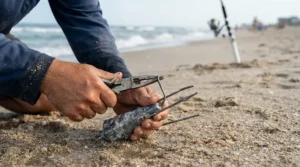
Grip wires are the engine of any gripper. Long wires bite deeper, and plastic tubing supports them so they can be bent away from the lead for extra hold. Published guidance also notes that long, open wires spring out more easily, which is useful if you want a quick break-out on the retrieve.
Bending the wires into a U shape improves grip and also boosts your chances of getting tackle out of snags, according to the same source. Stiff wires hold better on clean beaches, while soft wires, such as those on the Breakaway Impact Softy, bend rather than snag on rough ground.
Here is what the spec sheet won’t tell you, but anglers’ reports suggest. The wire is a consumable. Sand and salt wear it, and a lead with tired wires holds like a plain one. Check them before each session, and reshape or replace them as needed. Tuneable wires, like those on the Gemini Breakout Grip Lead, make that maintenance far easier.
Lead Retention: Keeping the Lead Down Once It Lands
Lead retention is the sum of weight, wire design and technique. Get one wrong and the other two can’t compensate for long.
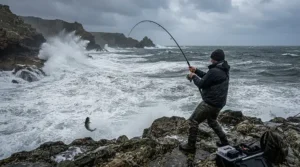
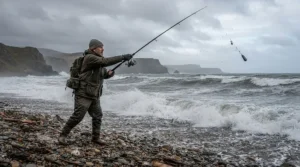
Technique is the most overlooked factor. A beach coach’s advice is that casting straight out is wrong when the tide is running hard, because the wires never have a chance to grip the bottom. Slack line gives the grip leads time to sink and dig in. Many anglers then wind down gently until the rod tip flexes, with the line tightening across the tide.
Line choice matters as well. Thinner line reduces drag in the current, and it keeps the lead in place longer. In my analysis, the combination of a heavy lead, a well-set wire and a slack settle beats an overweight lead on its own. A lead can also hold but then be pulled out by a heavy weed load, so clear weed from the line regularly.
If the lead keeps creeping, step up a weight, and do it before you reach for exotic tweaks.
Impact Shield for Long Distance Casting: Does It Help?
A hook swinging free at the top of a 150-yard cast is a recipe for tangles and shredded bait. An impact shield for long distance casting holds the baited hook tight to the trace during flight, then releases on impact with the sea.
Based on the specifications, Breakaway Impact Shields are most useful when:
- Your lead has no built-in clip.
- You’re fishing soft baits such as worm, which tear under force.
- You’re using a wishbone or single-hook rig and want a tidy cast.
They are less useful with the Dennett Impact Breakaway/Grip Lead, whose built-in cone does the same job. One forum angler also pointed out that a clean release matters in the first place because a half-released hook gives poor presentation.
There is a trade-off. A shield adds a small component to a rig, and anything small can fail or get lost. Carry a spare pack, since they cost very little. For distance fishing in a strong tide, the clip gives your bait the best chance of arriving intact and landing where your lead grips.
Terminal Tackle Set for Beach Fishing: Building the Rig Around the Lead
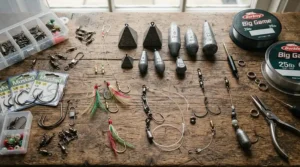
Your lead is one piece of a terminal tackle set for beach fishing. The rest of the system has to keep up with it.
A sensible starter set includes:
- A strong shock leader matched to your lead weight.
- A clip-down trace or pulley rig, depending on your target species.
- Quality swivels and links.
- Hooks sized to your bait.
- A mix of weights, plus spare wires or tubing.
One published piece of advice is to keep it simple, with one hook, the best quality components, and safe knots. Every extra component in a heavy-lead rig is one more weak point under tension.
For releasing a stuck lead, Breakaway Escape Links exist for that purpose. One forum angler said they use them all the time on rough venues, using constant pressure and a quick yank to free the lead. Another warned that the plastic button can wedge if sand gets in. The honest takeaway is that they help, but keep them clean.
Match everything to the grip lead you pick. A heavy gripper on a weak trace is a lost rig waiting to happen.
Practical Usage Guide: Setting and Anchoring a Grip Lead in a Strong Tide
Amazon listings don’t teach technique, so here is a step-by-step you can apply straight away. Beach coaching advice, such as these 21 tips from a Sea Angler beach coach, backs the core ideas.
Before the cast
- Check the wires. Straighten bent ones or replace worn ones.
- Pick the weight for the current flow, not the previous session.
- Set up above the high-water line so you don’t have to move mid-tide.
The cast
- Cast at a slight angle up the tide rather than straight out.
- Feather the line as the lead lands so the rig settles neatly.
The set
- Drop the rod tip and give the lead slack so the wires can dig in.
- Wind down gently until the tip flexes, with the line tight across the tide.
First 30 days: common mistakes
- Overtightening, which pulls the lead out.
- Using two small leads instead of one heavy one.
- Ignoring worn wires.
- Casting hard across a strong flow with no slack.
A small tip is to use rig tubing over the wires to thicken them when you’re short of weight. It isn’t a permanent fix, but it can save a session.
Problem → Solution: Five Common Lead Failures
1. The lead drags every few minutes. Step up in weight, add slack on landing, and check the wire tension. A tuneable lead such as the Gemini Breakout Grip Lead helps here.
2. The lead snags and won’t come free. Move to soft wires like the Breakaway Impact Softy, add an escape link, and retrieve with steady pressure.
3. Bait arrives shredded. Add Breakaway Impact Shields, or switch to an integrated clip lead.
4. Casting distance has collapsed. Heavy leads need matching rods and leaders. Check you aren’t casting an overweight lead on a light rod. Also note that trapping groundbait in the wires reduces range.
5. You keep losing leads on rough ground. Use a rotten-bottom link and carry spares, such as the Dinsmores Sea Leads 5oz 4 Pack, so a loss doesn’t end the session.
✨ Don’t Miss These Exclusive Deals!
🔍 Take your beach fishing to the next level with these carefully selected leads and accessories. Click on any highlighted product to check current pricing and availability. These tools will help you hold bottom with confidence when the tide is flying!
Real-World Scenarios: Three Anglers, Three Beaches
These are illustrative profiles, not reported tests. They show how the specs above translate into choices.
The weekend beginner on a clean sandy beach. Budget is tight and the rod is rated to around 6oz. A mid-range grip with adjustable wires is the sensible start, such as the Gemini Breakout Grip Lead in the middle of its weight range. Add a pack of Breakaway Impact Shields to protect bait. Total outlay is small, and the lessons are cheap.
The winter shore angler on mixed ground. Spring tides, kelp and rock. Lost leads are routine. A soft-wire lead like the Breakaway Impact Softy, plus a bulk pack such as the Searigs Super Breakaway Gripper, keeps costs down. Wire softness matters more than raw bite here.
The distance caster chasing range. A powerful rod, a clipped-down trace, and a focus on casting efficiency. The Dennett Impact Breakaway/Grip Lead keeps the rig compact with its built-in clip. Use a proper shock leader, and accept that the integrated design trades some tuning for simplicity.
Each profile follows the same rule: let ground, tide and casting power decide, rather than brand loyalty.
Grip Leads vs Plain Leads: Which Wins in a Strong Tide?
Plain leads roll and grip leads anchor. That is the headline, but the details decide which you need.
| Feature | Grip lead | Plain lead | Best For |
|---|---|---|---|
| Holding power in current | Strong | Weak | Breakaway Impact Softy |
| Searching ground (rolling) | Poor | Good | Dinsmores Sea Leads 5oz 4 Pack |
| Snag resistance | Moderate to good | Moderate | Gemini Breakout Grip Lead |
| Casting aerodynamics | Slightly reduced | Best | Fladen Sea Swivel Lead |
| Cost to replace | Low to moderate | Low | Searigs Super Breakaway Gripper |
The table shows no overall winner, only the right tool for the job. In a strong tide, grip leads win because staying put is the whole objective. Anglers on public forums do note that plain leads can lead to missed bites if they’re too light to set the hook, and that on a clean beach a plain lead cast at an angle can roll baits across more ground for flatfish. For tidal strength that is high, though, choose the grip.
Common Mistakes When Buying Beach Lead Weights for Strong Tide
- Buying on weight alone. A heavy but wireless lead will still roll.
- Ignoring your rod rating. An overweight lead risks your rod and your safety.
- Doubling up small leads. It stops either from gripping.
- Neglecting wires. Worn wires turn a gripper into a plain lead.
- Skipping a shock leader. Casting a heavy lead on thin line is dangerous.
- Buying only one weight. The tide changes mid-session, so one weight is rarely enough.
- Assuming a bigger brand name grips better. The wire design matters more than the logo.
Cheap leads aren’t automatically bad, and expensive ones aren’t automatically good. Compare the wire type, the shape and the weight range, then match them to your venue.
Long-Term Cost & Maintenance: What a Season Really Costs
Leads are consumables on rough ground, so total cost of ownership matters more than the sticker price.
| Item | Price range (check current) | Cost logic | Best For |
|---|---|---|---|
| Breakaway Impact Softy | Around £2-£3 each | Cheap enough to risk in snags | Rough ground |
| Gemini Breakout Grip Lead | Roughly £2-£3 each | Replaceable and tuneable | Clean sand |
| Searigs Super Breakaway Gripper | High-teens per eight | Lowest cost per lead | Bulk stock |
| Breakaway Impact Shields | Under £2 per four | Protects expensive bait | Distance casting |
At these prices, a handful of leads costs about the same as a single session’s bait. The real saving comes from replacing wires rather than whole leads, and from storing leads dry to limit corrosion. Rinse them in fresh water after a session.
There is also a regulatory angle. In England, supplying lead fishing weights between 0.06g and 28.35g is prohibited, so beach leads above 1oz are outside that restriction. The gov.uk tackle rules set out these weight thresholds for rod fishing. Industry bodies have also discussed wider lead restrictions, so check current rules before you stock up.
Safety, Rules and Compliance on the Beach
A strong tide isn’t just a tackle problem. It is a safety one.
RNLI advice for sea anglers is straightforward: wear a lifejacket on exposed shorelines, check weather and tides, tell someone where you’re going, and carry a means of calling for help. Rescue reports regularly describe anglers cut off by a rising tide, often in calm conditions, because they lost track of time while concentrating on the rods.
Practical points for heavy leads:
- Never cast with people close by, as a 6-7oz lead is a missile.
- Keep a safe zone behind you and to the sides.
- Wear eye protection when casting heavy weights.
- Dispose of broken lines and spent leads responsibly, because lead is toxic to wildlife.
- Check local byelaws and any venue-specific rules.
Know your spring and neap timings, and set your session around them. A strong flow looks exciting, but it also makes recovery from a mistake harder.
FAQ
❓ What weight lead do I need for strong tide beach fishing?
❓ Are grip leads legal to buy in the UK?
❓ Do I still need an impact shield if my lead has a built-in clip?
❓ How many spare leads should I carry?
❓ Can I make a lead grip better without buying a heavier one?
Conclusion
The best beach lead weights for strong tide are the ones matched to your tide, your ground and your rod, not simply the heaviest in the bag. If you want one reliable all-rounder, the Gemini Breakout Grip Lead offers tuneable grip and a wide weight range. For snaggy ground, the Breakaway Impact Softy is the forgiving choice, and for clipped-down distance work, the Dennett Impact Breakaway/Grip Lead keeps things compact.
Round out the kit with Breakaway Impact Shields for plain-body leads, a bulk pack like the Searigs Super Breakaway Gripper for rough venues, and a plain backup such as the Dinsmores Sea Leads 5oz 4 Pack for neaps. The Fladen Sea Swivel Lead is a niche pick for fixed rigs and deep water.
Build your terminal tackle set for beach fishing around the lead, tune your grip wires, set your technique for lead retention, and respect the water. Do that, and the tide becomes something you work with.
Recommended for You
- Rig Bodies For Sea Fishing: 7 Proven Picks For UK Beaches (2026)
- Impact Shields For Beach Casting: 7 Best Picks For UK Anglers (2026)
- Value Beach Fishing Leads: 7 Proven Picks For UK Beaches (2026)
Disclaimer: This article contains affiliate links. As an Amazon Associate, I earn from qualifying purchases. If you purchase products through these links, we may earn a small commission at no additional cost to you.
✨ Found this helpful? Share it with your friends! 💬🤗
